Autism Spectrum Disorder (ASD) is a complex neurological and developmental condition that manifests in a variety of ways. Have you ever pondered how chromosomal abnormalities might intersect with the diverse presentations of autism? This inquiry unveils a multifaceted dialogue about genetic influences on brain development and behavior, as well as the challenges faced by individuals and families with ASD. Below, we delve deeply into the interplay between chromosomal irregularities and autism, exploring the spectrum’s nuances while considering the broader implications for diagnosis and treatment.
The Genetic Basis of Autism
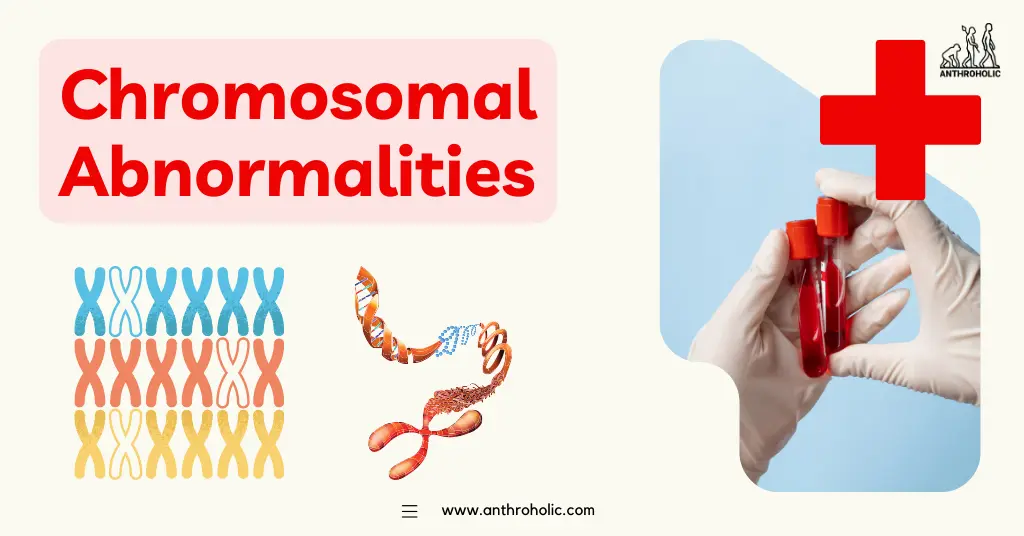
When examining the origins of autism, one must first acknowledge the role genetics play in its etiology. Research indicates that genetics significantly contribute to the risk of developing ASD, with estimates suggesting a heritability rate between 40% to 80%. Chromosomal abnormalities such as deletions, duplications, and translocations can disrupt normal neurodevelopmental processes.
For instance, abnormalities in chromosomal regions, like 15q11-q13, have been associated with Angelman syndrome and Prader-Willi syndrome, both of which can include features resembling autism. Moreover, conditions such as fragile X syndrome—a well-defined genetic disorder caused by a mutation in the FMR1 gene—illustrate another connective thread between chromosomal anomalies and ASD. Fragile X accounts for a significant proportion of genetically identifiable autism cases, effectively bridging the gap between specific genetic changes and broader behavioral outcomes.
Mechanisms of Chromosomal Abnormalities
So, how do chromosomal abnormalities precipitate the development of autism? At a molecular level, disruptions in chromosomal structure can lead to altered gene expression. Genes critical for synaptic function, neural connectivity, and neurotransmitter regulation can be affected, resulting in atypical brain development. In this regard, chromosomal abnormalities not only serve as risk factors but may also provide insights into the pathophysiological mechanisms underpinning autism.
To illustrate, mutations may hinder the proliferation and maturation of neural stem cells, drastically affecting the brain’s architecture. The temporal lobe, involved in processing social information, is particularly vulnerable, potentially contributing to social communication difficulties characteristic of autism. As research continues to evolve, the nuances of these chromosomal disruptions and their direct effects on neurodevelopment remain an ongoing exploration.
Phenotypic Variability in Autism
One of the most intriguing aspects of ASD is its phenotypic variability. Autism is recognized as a spectrum disorder precisely because of the vast range of symptoms and abilities exhibited by individuals. Some may demonstrate exceptional skills in specific areas, while others might face profound challenges in daily functioning. Chromosomal abnormalities contribute to this diversity in expression.
Moreover, the presence of co-occurring conditions, such as epilepsy, ADHD, or anxiety disorders, adds layers of complexity. For example, individuals with fragile X syndrome often exhibit characteristics of both autism and intellectual disability, emphasizing the need for a nuanced understanding of how these chromosomal factors interplay with various phenotypes.
This diversity also raises a critical challenge: How can clinicians effectively tailor interventions and support systems for such a heterogeneous population? Traditional diagnostic categories may fall short in accommodating the wide array of presentations. A personalized approach, leveraging genetic insights, can be instrumental in delivering more targeted therapies.
Environmental Interactions: The Epigenomic Influence
While genetic predispositions are paramount, the conversation surrounding autism demands attention to environmental contexts as well. The epigenome—the complex of chemical compounds that modify the genome without altering the DNA sequence—responds dynamically to environmental stimuli. Factors such as maternal health, fetal exposure to toxins, and even dietary influences can modify how genetic risks manifest.
For example, maternal stress during pregnancy has been linked to increased risks of neurodevelopmental disorders. Understanding the interplay between chromosomal abnormalities and these environmental factors could illuminate pathways to developing preventive measures and therapeutic strategies, positing that autism may not simply be a static condition inherited through genetics but a more dynamic interplay of genes and environment.
Diagnostic Advances and Genetic Testing
The rise of genetic testing has ushered in a new paradigm in the way autism is diagnosed and managed. Chromosomal microarray analysis is increasingly employed to identify submicroscopic chromosomal changes, allowing for more precise diagnoses. Such advancements are particularly beneficial since many individuals with ASD may not exhibit recognizable syndromic features.
The integration of genetic testing into clinical practice promises to enhance diagnostic accuracy, paving the way for tailored interventions that can address specific genetic risk factors. However, this raises ethical considerations. How can medical professionals balance the potential for insights with the psychological impact of genetic information on families?
Future Perspectives: Horizons in Autism Research
Looking forward, the exploration of chromosomal abnormalities in autism advocates for an interdisciplinary approach. Bridging genetics, neuroscience, psychology, and therapy will pave the way for innovative interventions. Future research endeavors aim to elucidate the biological underpinnings of autism while expanding our comprehension of how these chromosomal variations influence neurodevelopmental trajectories.
In this rapidly evolving domain, the challenge remains: as we decipher the genetic codes influencing autism, how can we translate that knowledge into meaningful support for individuals and communities affected by ASD? The journey to understanding autism through the lens of chromosomal abnormalities is not just a scientific pursuit; it’s a quest to foster a more inclusive society for all.