Parenting a child with Autism Spectrum Disorder (ASD) is a journey that presents unique challenges and profound rewards. Understanding the nuances of ASD can transform potential obstacles into pathways of connection and growth. At its core, the experience of parenting an autistic child is rich with revelations about individuality, communication, and the boundless potential of the human spirit. This article aims to elucidate effective strategies for nurturing children with autism, blending practical advice with deeper insights into the complexities of this condition.
One common observation among parents of children with ASD is how essential routine is to their child’s sense of security. Children on the spectrum often find solace in predictability. Establishing a structured daily schedule can help mitigate anxiety and foster an environment in which your child can thrive. When crafting a routine, consider integrating visual schedules or checklists. These can serve as concrete representations of daily tasks, allowing your child to anticipate what comes next, thereby reducing stress. The simple act of knowing what to expect can empower these children, offering them a semblance of control over their environment.
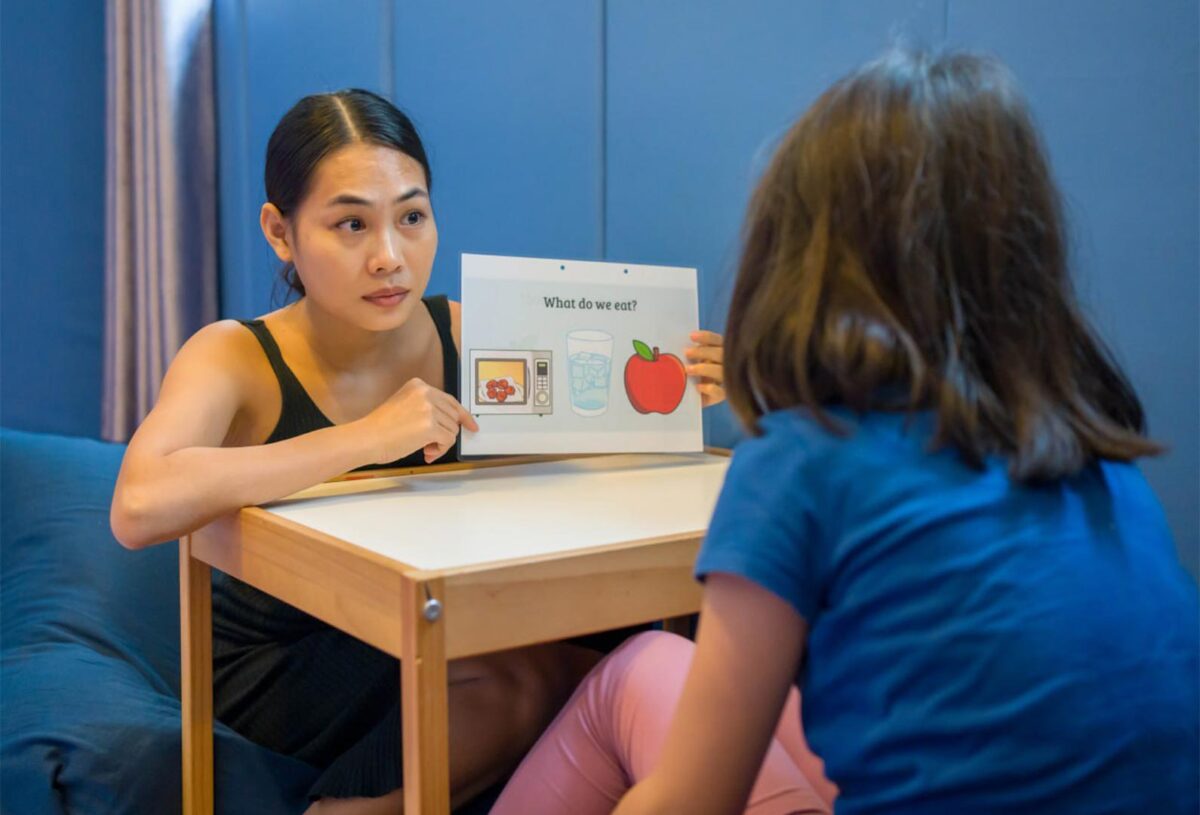
Another pivotal element in the lives of children with ASD is communication. Many children on the spectrum struggle with verbal expression, which can lead to frustration for both the child and the parent. To bridge this gap, augmentative and alternative communication (AAC) tools can prove invaluable. AAC includes a myriad of methods, from picture exchange systems to electronic devices that generate speech. Employing these tools not only fosters better communication but also nurtures the child’s ability to express feelings and needs, building confidence in their ability to connect with others.
Social interactions can be another daunting area for children with autism. They may experience difficulties interpreting social cues or engaging in reciprocal conversation. To cultivate social skills, consider structuring playdates or group activities that are supportive and understanding of their unique challenges. Role-playing can also be beneficial. By practicing various social scenarios in a safe and controlled environment, children can develop a repertoire of skills that helps them navigate the complexities of social interactions more effectively. Furthermore, fostering an inclusive atmosphere encourages peer understanding and acceptance, which can profoundly impact a child’s self-esteem and sense of belonging.
While navigating the intricacies of ASD, it is crucial not to overlook the power of sensory experiences. Children with autism often exhibit heightened or diminished sensory sensitivities. Recognizing these sensitivities allows parents to create a sensory-friendly environment. This might include designating a quiet space equipped with calming tools—weighted blankets, noise-canceling headphones, or soothing lighting. Conversely, engaging in sensory-rich activities, such as finger painting or playing with textured materials, can offer a delightful avenue for self-expression and exploration. Such activities can enrich the child’s sensory toolkit, enabling them to interact more comfortably with the world around them.
Moreover, emotional regulation is an area that demands attention. Children with ASD may struggle to identify and manage their emotional responses. Introducing emotional literacy into their daily routine can prove beneficial. Utilizing resources like emotion charts or social stories can help children recognize different feelings and develop appropriate coping strategies. Techniques such as deep breathing exercises, mindfulness activities, or simple meditation can also cultivate emotional resilience. As children grow more adept at managing their emotions, the likelihood of experiencing intense meltdowns may decrease, leading to a calmer and more harmonious home environment.
One of the most insightful revelations for parents of children with autism is the importance of celebrating individuality. Each child, regardless of their neurodevelopmental status, possesses a unique constellation of strengths and challenges. Find joy in your child’s passions, whether it’s drawing, building with blocks, or a fascination with trains. These interests can serve as a powerful springboard for learning. Engage in activities that incorporate their preferred topics, finding ways to blend their interests with academic concepts or social lessons. Such an approach not only validates their individuality but also ignites a genuine love of learning.
It is equally essential to advocate for your child’s needs within educational and social settings. Collaborative partnerships with teachers, therapists, and other caregivers can significantly enhance the support network around the child. Regular communication with educators can ensure that your child is receiving appropriate accommodations and interventions tailored to their specific needs. Knowledge is power; by becoming well-versed in your child’s rights and available resources, you can effectively advocate for an equitable and nurturing learning environment.
Lastly, self-care remains a vital component of the parenting journey. Caring for a child with autism can be emotionally and physically taxing. Prioritizing self-care enables parents to recharge and approach challenges with renewed patience and energy. Whether it be through seeking support groups, engaging in hobbies, or simply taking time to relax, maintaining one’s well-being is crucial to fostering a nurturing atmosphere for the entire family. Remember, you cannot pour from an empty cup.
In conclusion, parenting a child with Autism Spectrum Disorder is a multifaceted adventure filled with opportunities for growth and understanding. Through the cultivation of structure, communication, social skills, sensory experiences, emotional regulation, individuality, advocacy, and self-care, parents can create a nurturing environment that celebrates their child’s unique journey. Embrace these strategies as tools not merely for coping, but as vehicles for genuine connection and unconditional love. Each step taken in this journey not only benefits the child but enriches the family as a whole.