Have you ever watched a child with autism light up at the mere mention of a road trip, only to see that excitement curdle into overwhelm the moment the car engine roars to life? The open road, with its endless possibilities and unpredictable stimuli, can be both a thrilling adventure and a minefield of sensory triggers. For families navigating autism, a simple journey from point A to point B can feel like orchestrating a symphony where every instrument is playing a different tempo. But what if the road ahead didn’t have to be a battleground of meltdowns and sensory overload? What if, instead, it became a path to connection, discovery, and even joy? Let’s explore how to transform the chaos of travel into a smooth, enriching experience for everyone.
Road trips with autism require more than just a well-packed suitcase—they demand meticulous preparation, empathy, and a willingness to adapt. The key lies in understanding the unique needs of your traveler, whether they’re hypersensitive to sounds, overwhelmed by visual clutter, or prone to anxiety in unfamiliar spaces. By anticipating challenges and crafting a strategy that prioritizes comfort, you can turn what feels like a Herculean task into a manageable, even enjoyable, endeavor. So buckle up. We’re about to embark on a journey through the art of planning, the science of sensory regulation, and the alchemy of turning travel stress into shared memories.
The Prelude: Choosing Your Route with Precision
Not all roads are created equal, especially when autism is part of the equation. The first step in a successful road trip is selecting a route that minimizes potential stressors while maximizing comfort. Avoid highways notorious for traffic jams or construction zones, as the unpredictability of stop-and-go traffic can amplify anxiety. Instead, opt for scenic byways or quieter secondary roads where the pace feels more controlled. Tools like Google Maps’ “Avoid Highways” feature or specialized apps like Waze can help you dodge the chaos of rush hour and detour around accident-prone areas.
Consider the duration of your drive. Long stretches without breaks can test anyone’s patience, but for someone with autism, the lack of stimulation or the monotony of the road can lead to restlessness or sensory-seeking behaviors. Plan your route with frequent stops—every 60 to 90 minutes—at rest areas, parks, or quiet cafes where your traveler can stretch, decompress, or engage in a preferred activity. Think of these pauses not as interruptions, but as necessary pit stops in a marathon, where the goal is endurance, not speed.

Packing the Arsenal: Sensory Comfort on the Go
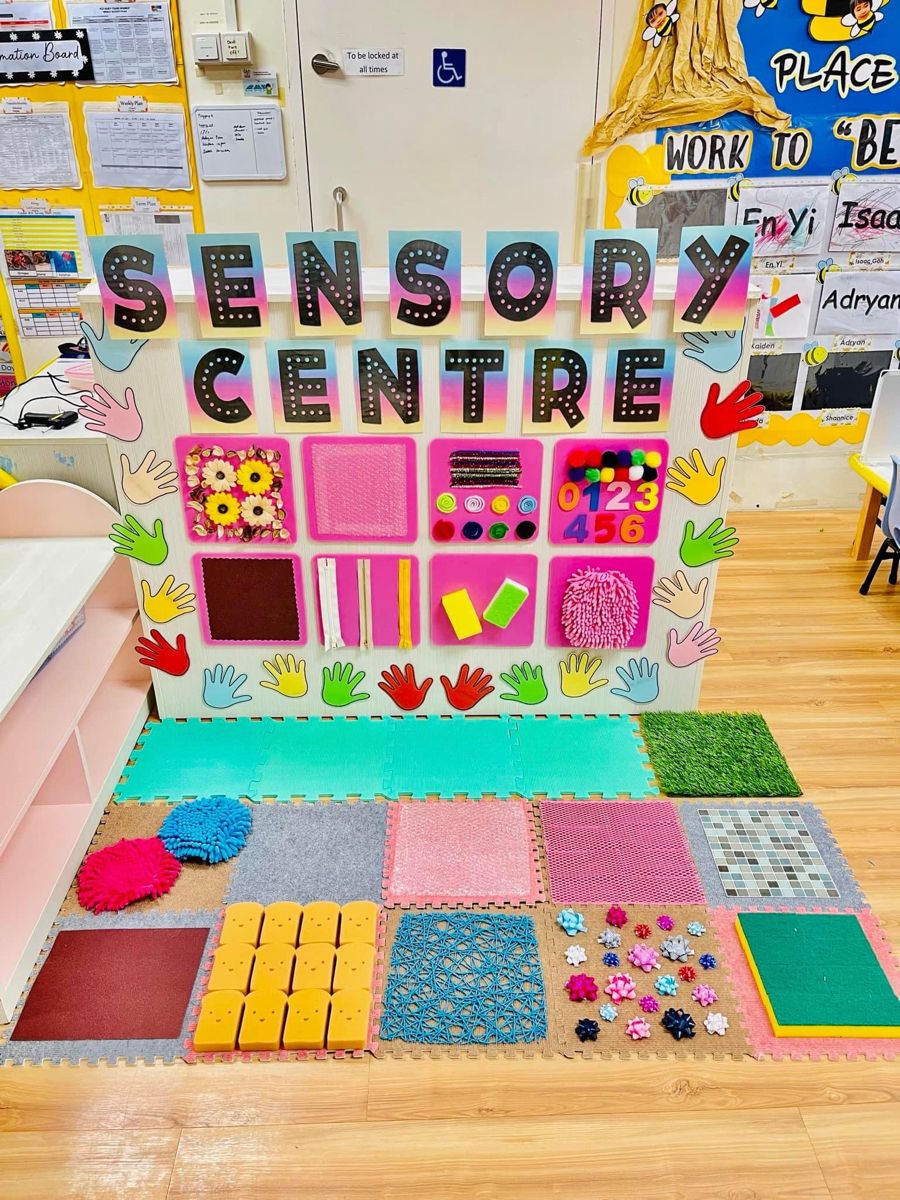
The contents of your travel bag can make or break the journey. Beyond the usual essentials—snacks, water, and entertainment—pack a sensory toolkit tailored to your traveler’s needs. Noise-canceling headphones are a non-negotiable for many, drowning out the cacophony of honking horns and blaring radios. Weighted blankets or compression vests can provide grounding during moments of overwhelm, while fidget toys or textured objects offer a tactile outlet for restless hands. Don’t forget a portable white noise machine or a favorite calming playlist to create a familiar auditory bubble in an unfamiliar environment.
Clothing choices matter too. Opt for soft, breathable fabrics that won’t irritate sensitive skin, and pack layers to accommodate temperature fluctuations in the car. A hoodie or a cozy scarf can double as a sensory shield, providing comfort and a sense of security. And while it’s tempting to rely on digital distractions, balance screen time with hands-on activities like coloring books, puzzles, or audiobooks to prevent overstimulation from prolonged screen exposure.
The Art of Timing: When to Hit the Road
Timing isn’t just about departure and arrival—it’s about aligning your journey with your traveler’s natural rhythms. For some, early mornings are ideal, when the world is still quiet and the roads are clear. For others, nighttime travel might be preferable, as the darkness and reduced traffic can create a calmer atmosphere. Observe your traveler’s energy levels and preferences. Do they thrive in the morning or fade as the day progresses? Are they more alert during daylight or do they find solace in the stillness of night? Use this knowledge to schedule your trip during their peak comfort windows.
Weather also plays a role. Extreme heat or cold can heighten sensory discomfort, so plan your departure around mild temperatures. If you’re traveling during a season known for unpredictable weather, pack emergency supplies like extra blankets, sunscreen, or rain gear to mitigate discomfort. A sudden thunderstorm or a heatwave can turn a minor inconvenience into a major stressor, so always have a Plan B ready.
Navigating the Pitfalls: Handling Meltdowns and Overwhelm
No matter how well you plan, meltdowns can happen. The key is to recognize the signs early and intervene before the situation escalates. Restlessness, repetitive movements, or a sudden change in demeanor can signal that your traveler is reaching their threshold. Pull over at the nearest safe spot—a quiet parking lot, a rest area, or even a side street—and give them space to decompress. Sometimes, a few minutes of silence or a calming activity can reset their nervous system.
If a meltdown does occur, resist the urge to react with frustration or impatience. Instead, approach the situation with empathy and a problem-solving mindset. Ask yourself: Is hunger, fatigue, or sensory overload the root cause? Address the need directly—offer a snack, a nap, or a sensory break. Avoid bargaining or reasoning during the meltdown itself; save those conversations for when everyone is calm. Remember, the goal isn’t to eliminate challenges entirely, but to navigate them with patience and resilience.

Transforming the Journey: Making Memories Along the Way
A road trip isn’t just about reaching a destination—it’s about the experiences along the way. Incorporate stops that cater to your traveler’s interests, whether it’s a visit to a quirky roadside attraction, a picnic in a scenic park, or a detour to a quiet beach. These breaks aren’t just distractions; they’re opportunities to create joy and connection. Involve your traveler in planning these stops, giving them a sense of control and anticipation. A simple question like, “Would you like to see the giant ball of yarn or the lighthouse first?” can make all the difference in building excitement for the journey.
Document the trip in a way that feels meaningful to your traveler. Some may enjoy taking photos or collecting small souvenirs, while others might prefer journaling or drawing. These mementos can serve as tangible reminders of the adventure, reinforcing positive associations with travel. And don’t forget to celebrate the small victories—the first hour without a meltdown, the successful navigation of a tricky intersection, or the shared laughter over a silly roadside joke. These moments are the building blocks of confidence and resilience.
The Grand Finale: Arriving with Grace
As you approach your destination, take a moment to acknowledge the effort and perseverance it took to get there. Arriving safely is a triumph, but the journey itself is what matters most. Unpack slowly, allow time to adjust to the new environment, and resist the urge to cram in activities immediately. Give your traveler space to acclimate, whether that means a quiet afternoon in the hotel room or a gentle exploration of the surroundings at their own pace.
Reflect on the trip afterward. What worked well? What could be improved for next time? Use these insights to refine your approach, turning each journey into a smoother, more enjoyable experience. And most importantly, savor the memories you’ve created together. Road trips with autism aren’t just about the destination—they’re about the shared stories, the unexpected discoveries, and the unbreakable bonds forged along the way.
So the next time the open road beckons, approach it not with dread, but with curiosity and preparation. The road ahead may be long, but with the right tools and mindset, it can become a path to growth, connection, and adventure. Safe travels.