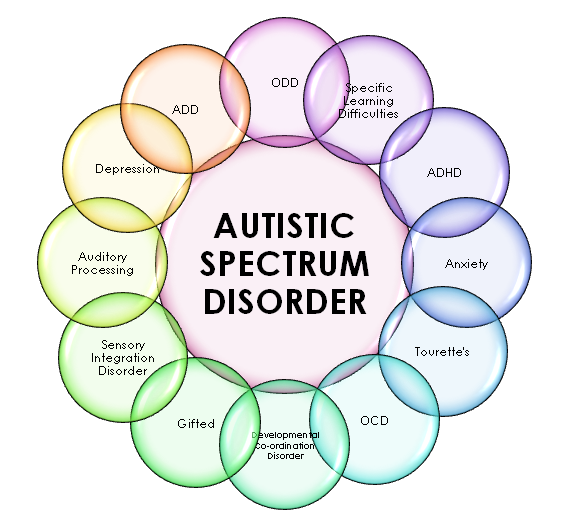
In a world where human experience can often feel like a great orchestra, where each individual plays a distinct instrument, Autism Spectrum Disorder (ASD) introduces an array of unique melodies, harmonies, and sometimes discordant notes. Among the symphony created by these various manifestations of autism lies Asperger’s Syndrome, a condition that, while once considered a standalone diagnosis, now exists under the broader umbrella of autism. This knowledge hub endeavors to illuminate the nuanced and multifaceted dimensions of Asperger’s Syndrome, exploring its characteristics, experiences, and the profound insights offered by those who embrace it.
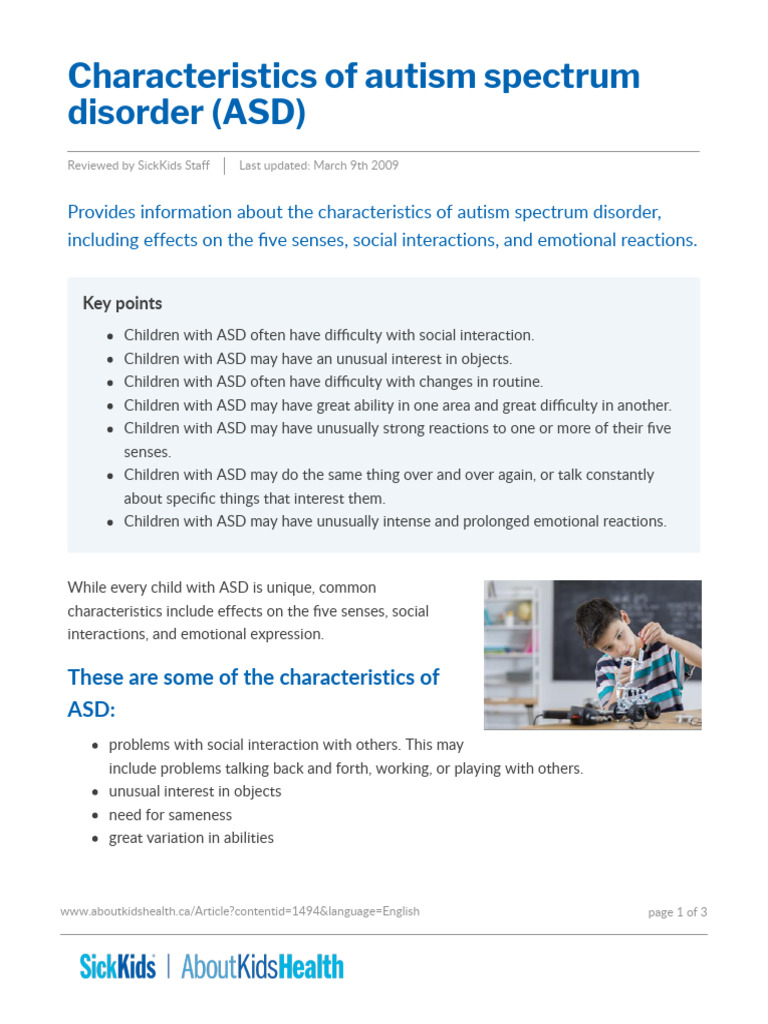
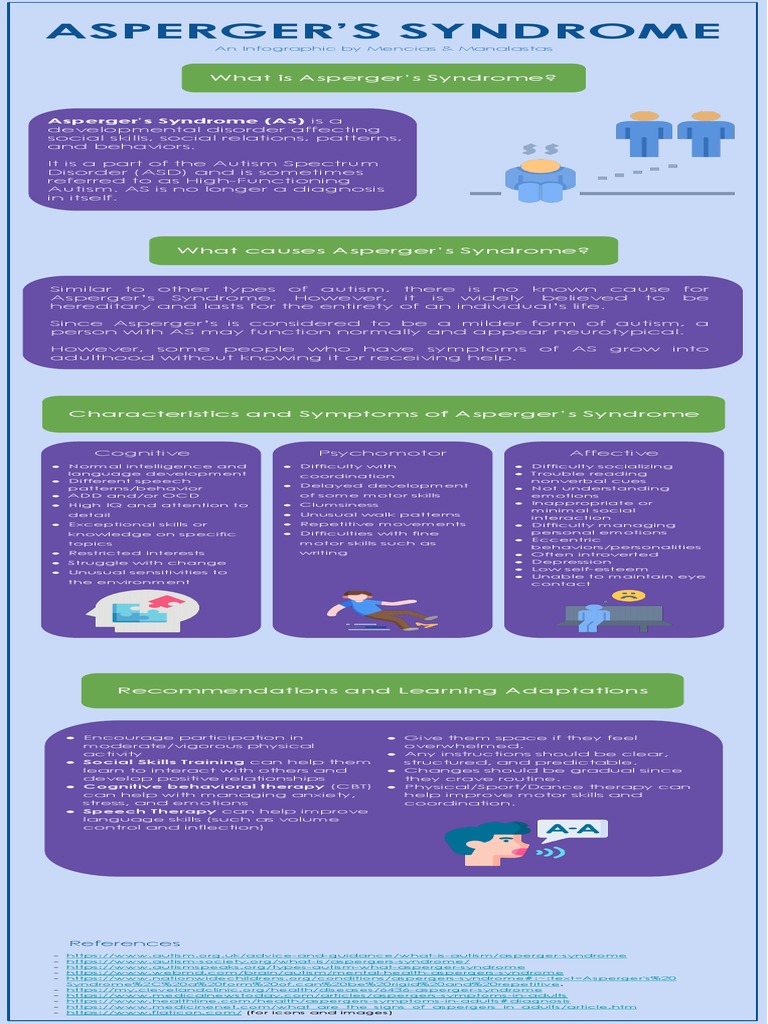
At its core, Asperger’s Syndrome is characterized by difficulties in social interactions and communication, coupled with exceedingly focused interests and a penchant for detail. Rather than merely being perceived as a hindrance, these elements can be likened to the intricate brushstrokes of a masterful painting, each stroke representing a unique facet of perception and understanding. This rich tapestry, woven from the fibers of distinct cognitive configuration, fosters not only challenges but also an unparalleled depth of expertise and insight into specialized fields.
One of the hallmark features of Asperger’s Syndrome is a pervasive difficulty in social communication. Imagine walking into a bustling café, the air thick with conversation, laughter, and the clinking of cups. For many, this environment is a delightful symphony of social cues and verbal exchanges. For individuals with Asperger’s, however, it may resemble a cacophony—overwhelming, disjointed, and perplexing. The subtle nuances of body language, tone, and eye contact can slip through the cracks, leaving many feeling like outsiders peering through a glass wall at a vibrant world in which they struggle to engage.
Despite these challenges, individuals with Asperger’s often develop remarkable competencies in specific areas, which may include mathematics, music, technology, or memory recall. This phenomenon resembles a diamond, rough on the edges but shimmering brilliantly when polished. The intense focus on particular subjects often provides a conduit for exceptional skills, enabling individuals to become behavioral specialists or leading experts in their chosen fields. Their perspective—both unique and vigorous—allows for innovative problem-solving and innovative contributions that can revolutionize traditional thought.
Moreover, the inflexible adherence to routines can be life-affirming for those on the spectrum. The constancy of patterns resonates as a soothing balm, akin to the embrace of a familiar melody, helping to alleviate the potential chaos of ever-shifting external environments. For individuals navigating the turmoil of daily life, these routines signify stability and predictability, the anchors that keep them grounded amidst the tide of uncertainty.
However, it is crucial to recognize the hidden challenges that accompany such rigidity. Imagine a ship caught in a tempest, where any deviation from its charted course—the slight tilt in the sails, the whisper of wind change—could send it spiraling. When routines are disrupted, it can trigger heightened anxiety and distress. This dynamic illustrates the need for patience and understanding from family, friends, and society at large. Empathy becomes a bridge that connects the chasm between neurodiverse and neurotypical experiences, fostering an environment of support and acceptance.
As individuals with Asperger’s Syndrome navigate their personal journeys, it is paramount to emphasize the value of advocacy and education. The prevailing narrative often homogenizes autism; however, it is essential to recognize the diversity and distinctiveness it encapsulates. Advocacy plays a vital role in reshaping perceptions and dismantling stereotypes. It encourages a shift from a deficit-based viewpoint to one that recognizes and celebrates differences as inherent strengths.
Education serves as the engine of enlightenment, providing both individuals on the spectrum and the wider society with tools to cultivate a more inclusive landscape. Schools and workplaces that promote awareness and introduce tailored programs can foster an environment conducive to growth, where individuality is celebrated rather than suppressed. Initiatives that integrate the voices of those with Asperger’s enrich our collective understanding, allowing for a more expansive view of human potential.
Furthermore, connection and community are paramount. Engaging with others who share similar experiences fosters solidarity and understanding, transforming feelings of isolation into a sense of belonging. Support groups serve as sanctuaries, offering a shared space where individuals can articulate their triumphs and tribulations without fear of judgment. Each shared story is a thread woven into the broader fabric of the autistic experience, illustrating the beauty found in diversity and mutual respect.
In contemplating Asperger’s Syndrome, it is essential to illuminate the age-old adage that diversity is the spice of life. Through acceptance and understanding, a mosaic of differences can emerge, contributing to the rich cultural landscape of our global society. Just as a garden flourishes when nurtured with various plants, our communities thrive when inclusive practices are implemented, nurturing every unique voice.
As we delve into the realms of awareness and appreciation of Asperger’s Syndrome, let us embrace this knowledge hub as a veritable sanctuary—a place that celebrates the complexities, challenges, and extraordinary contributions of those within the spectrum. Each individual’s journey is a testament to resilience and ingenuity. When we recognize that strength often stems from embracing our differences, we pave the way toward a brighter and more inclusive future for all.