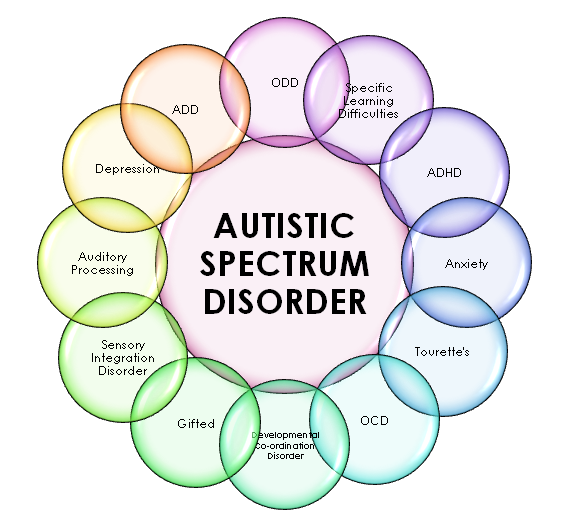
In a world that often craves conformity, individuals with autism emerge like vibrant splashes of paint on an otherwise monochrome canvas. Autism, or Autism Spectrum Disorder (ASD), is not a singular condition but a multifaceted tapestry woven from diverse threads of experiences. Understanding its prevalence and demographics necessitates a dive into the depths of this intricate spectrum, revealing not just facts and figures, but stories of resilience, diversity, and unique perspectives.
The prevalence of autism has seen a remarkable amplification over recent decades. In the early 1990s, the estimated prevalence was a mere 1 in 2,500. Fast forward to present times, and that figure has soared to approximately 1 in 44 children diagnosed with ASD across the United States. This staggering rise invites critical scrutiny: Is autism more prevalent, or have we simply become adept at identifying it? Like an artist honing their skills, the understanding of autism has evolved, leading to enhanced awareness and improved diagnostic criteria.
Geographically, the landscape of autism prevalence displays a fascinating variety. In urban settings, the rates tend to be higher than in rural areas. This discrepancy can be likened to a thriving metropolis rich in cultural diversity compared to a quiet countryside where some nuances might go unnoticed. The reasons behind this urban-rural divide may be multifactorial; factors such as socioeconomic status, access to healthcare, and variations in reporting practices can create distinct patterns and perceptions.
According to demographic insights, autism does not discriminate; rather, it permeates various strata of society indiscriminately. However, discrepancies exist. Boys appear disproportionately affected, with estimates suggesting that they are diagnosed roughly four times more often than girls. This phenomenon raises intriguing questions about social expectations and gender biases in diagnosis. Does a girl’s autism manifest differently, perhaps masked by societal norms or misunderstood behaviors? Such considerations beckon society to reevaluate its lens when perceiving autism, urging a broader understanding that transcends stereotypes.
A deeper analysis reveals another layer of complexity: race and ethnicity. Historically, disparities in diagnosis and support services have been evident across different racial and ethnic groups. Research suggests that minority groups often face delays in receiving an autism diagnosis. These disparities could be attributed to a mélange of cultural perceptions of disability, access to healthcare, and systemic inequities. Consequently, the autism odyssey becomes more intricate, illuminating the crucial need for tailored support that respects cultural contexts and addresses systemic barriers.
Equally vital to the discussion of autism prevalence is socio-economic status. Families from lower socio-economic backgrounds often grapple with access to resources that enable timely diagnosis and intervention. The financial constraints may compel parents to delay seeking help or limit their exposure to professional guidance, thus prolonging the journey of understanding and support for their children. In this regard, the autism narrative can become a poignant metaphor for the journey each family undertakes—a quest for understanding through dense forests of misinformation and societal stigma toward radiant clearings of knowledge and acceptance.
Moreover, while we explore the demographic fabric of autism, it’s essential to recognize the intersectionality that shapes the experiences of autistic individuals. Factors such as disability, gender identity, and cultural background can intertwine, creating a unique set of challenges. An autistic girl from a minority background might navigate a landscape filled with obstacles shaped by both her gender and ethnicity. This intersectional viewpoint invites society to embrace a more holistic understanding of autism, promoting inclusive support that goes beyond mere statistical representations.
Intriguingly, those diagnosed with ASD often possess remarkable strengths. Many exhibit substantial abilities in areas such as visual thinking, memory, and focus—a juxtaposition that transforms perceived limitations into extraordinary capabilities. Just as diamonds form under intense pressure, individuals with autism often shine brightly in their unique talents and perspectives. By cultivating environments where these abilities are recognized and nurtured, society can harness the full potential of these individuals, enriching collective creativity and innovation.
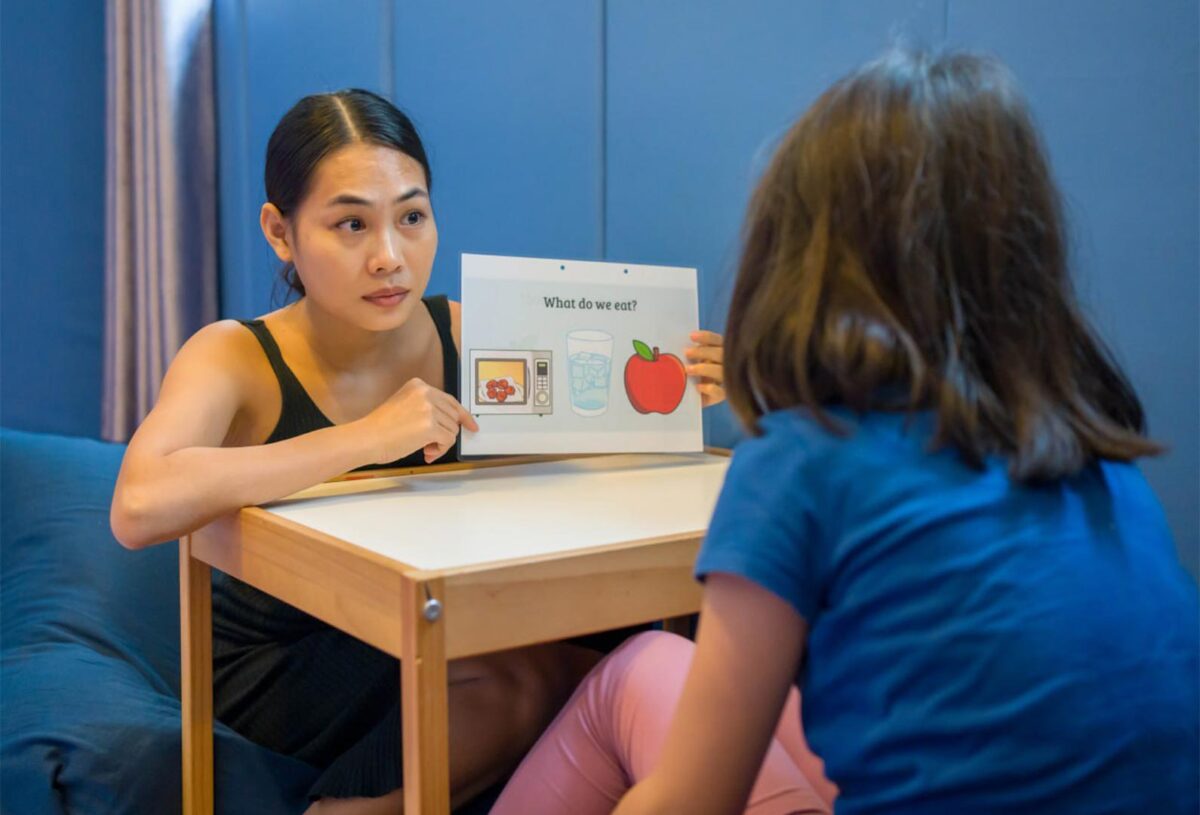
The importance of early diagnosis and intervention cannot be overstated. Studies indicate that early intervention can significantly improve outcomes in communication, social skills, and adaptive functioning. Parents, educators, and healthcare professionals must combine efforts, creating a symbiotic ecosystem that fosters understanding and growth. Think of it as a well-tended garden, where every plant receives tailored care to thrive in its eclectic weather—from the nurturing rains of understanding to the sunlight of acceptance.
In conclusion, the landscape of autism prevalence and demographics is complex, multifaceted, and deeply interconnected with broader societal issues. By acknowledging the nuances that characterize autism, from gender disparities and cultural perceptions to socio-economic implications, we cultivate a richer understanding of the autism spectrum. This understanding is pivotal not only for enhancing support systems, but also for fostering a more inclusive society—a world in which every individual, regardless of their neurological wiring, can contribute their unique brushstrokes to the grand canvas of humanity.