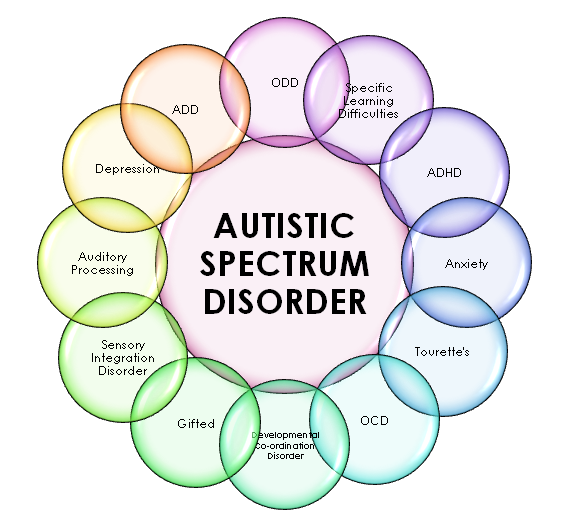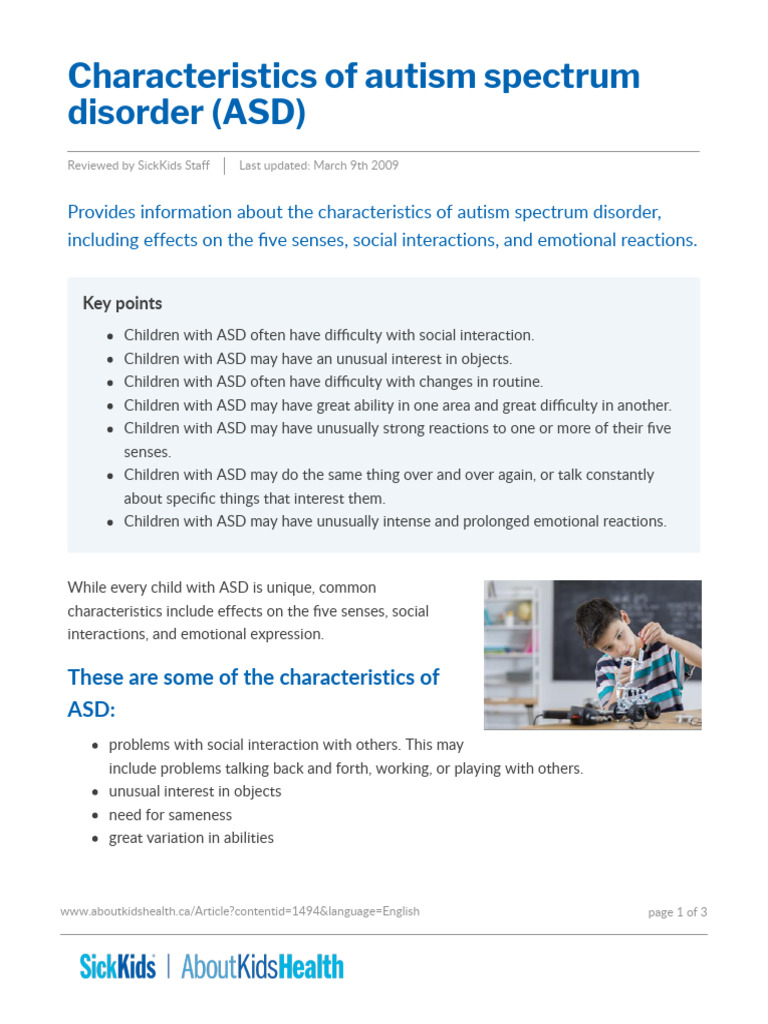
Autism Spectrum Disorder (ASD) is a complex developmental condition characterized by a unique constellation of behaviors, communication challenges, and social interaction difficulties. This neurodevelopmental disorder affects individuals in varying degrees and is often manifested through a spectrum of symptoms. Understanding and appreciating the core characteristics of ASD can foster greater empathy and awareness among the general population. Let’s delve deep into the intricacies of autism, illuminating the distinctive traits that define this condition and shifting the prevailing narratives surrounding it.
1. Social Communication Challenges
At the heart of ASD lies a profound challenge in social communication. Individuals on the spectrum often struggle with nonverbal cues, such as eye contact, facial expressions, and gestures, which complicates their ability to connect with others. They may exhibit atypical patterns of communication, including delays in speech development or an unconventional use of language. For instance, some may use echolalia, a condition where they repeat phrases or sentences heard previously, often devoid of contextual understanding. Such idiosyncratic speech patterns can create barriers to social interaction, leading to feelings of isolation and misunderstanding.
2. Difficulty with Social Interaction
Beyond mere communication hurdles, individuals with ASD often find social interaction elusive. They may struggle to interpret social norms, which can lead to unintentional breaches of etiquette. Sharing interests or engaging in reciprocal conversations can be particularly challenging. Their inclination toward solitary activities often emerges from a preference for predictable routines over the uncertainties of socializing. While many may connect deeply with specific interests, they often find it daunting to relate those interests to peers, further exacerbating feelings of loneliness.
3. Restricted and Repetitive Behaviors
Perhaps one of the most hallmark traits of ASD is the presence of restricted and repetitive behaviors. These behaviors can manifest in myriad forms, including repetitive movements (e.g., hand-flapping or rocking), adherence to rigid routines, and an intense focus on particular subjects or topics. Such repetitive actions can provide sensory comfort and predictability in an often overwhelming world. However, these behaviors can also be a source of frustration for both the individual and their family members, especially when disruptions occur.
4. Sensory Sensitivities
Individuals with ASD frequently experience unique sensory sensitivities that influence their worldview. Some may be hyper-sensitive to sensory inputs, finding commonplace sounds, textures, or lights overwhelmingly distressing. Conversely, others may exhibit hypo-sensitivity, demonstrating a profound lack of response to certain stimuli. These sensory processing differences can drastically shape a person’s daily experiences and interactions, underlining the importance of creating environments that accommodate these varying needs.
5. Variability in Intellectual Functioning
The intellectual abilities of individuals with ASD are as diverse as the spectrum itself. While some may possess significant cognitive challenges, others may demonstrate above-average intelligence or even savant-like abilities in specific areas. This variability often complicates the archetype of autism as a uniform condition. Recognizing this breadth in intellectual functioning is vital for creating tailored educational and therapeutic interventions that nurture each individual’s potential.
6. Emotional Regulation Difficulties
Another core characteristic of ASD involves emotional regulation. Many individuals on the spectrum experience heightened emotional responses, which can lead to meltdowns or shutdowns when overwhelmed. This emotional volatility can be exacerbated by their inability to articulate their feelings or navigate intense sensory experiences. Learning strategies for self-regulation, often through therapeutic support, can empower individuals with ASD to manage their emotions more effectively and engage more fully with the world around them.
7. The Role of Routine and Structure
For many on the autism spectrum, routine and structure serve as sanctuaries of stability in a chaotic environment. Predictable schedules and well-established rituals can provide a sense of security and comfort, facilitating smoother transitions between daily activities. Understanding and respecting these preferences can greatly contribute to a harmonious living or working environment. When faced with unexpected changes, however, individuals may experience heightened anxiety or distress, highlighting the importance of gradual introductions to new situations.
8. Strengths and Unique Perspectives
Despite the challenges associated with ASD, it is crucial to recognize the strengths and unique perspectives that individuals on the spectrum often possess. Many individuals with autism exhibit remarkable attention to detail, creative problem-solving capabilities, and a relentless pursuit of their interests. By fostering environments that celebrate these strengths rather than solely focusing on limitations, we can unlock the potential that resides within each person on the spectrum.
9. The Importance of Early Intervention
Early intervention plays a pivotal role in supporting individuals with ASD and enhancing their quality of life. Research has shown that timely and targeted therapeutic interventions can lead to significant improvements in communication, social skills, and emotional regulation. Engaging families in the process and equipping them with the necessary tools can create a nurturing environment that promotes growth and development for the individual.
10. Cultivating Understanding and Acceptance
The journey toward understanding and accepting Autism Spectrum Disorder requires collective effort. By shifting our perspective and embracing the uniqueness of each individual, we pave the way for a more inclusive society. Combating stereotypes and promoting awareness is essential in fostering empathy and support for those on the spectrum. As we expand our understanding of ASD, let us celebrate the diverse tapestry of human experience, recognizing that every individual, regardless of their challenges, has something valuable to offer to the world.
In wrapping up this exploration of the core characteristics of Autism Spectrum Disorder, it becomes evident that a multifaceted perspective is essential. Embracing the diversity and complexities of ASD not only enriches our understanding but also enhances our collective humanity.