Imagine a young child with bright eyes and a boundless imagination. What happens when this child faces the everyday challenges of daily living? For many families, navigating the intricacies of autism and daily living skills can feel overwhelming. While each person with autism is unique, the journey toward developing essential life skills is a shared experience that requires dedication, creativity, and empathy.
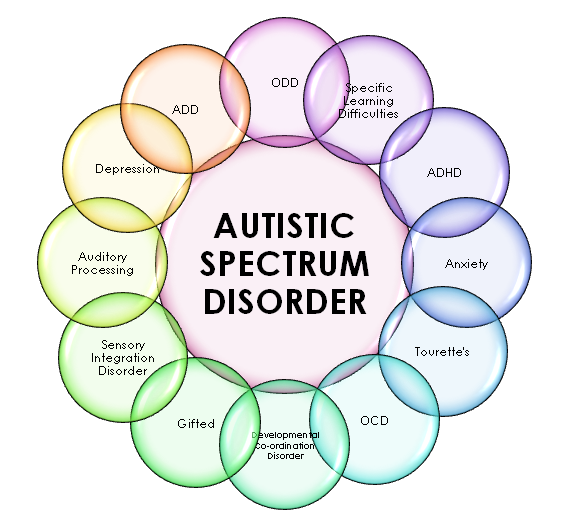
Autism Spectrum Disorder (ASD) influences how individuals perceive and interact with the world around them. One significant aspect of fostering independence in those with autism is honing daily living skills. From self-care to social interactions, these competencies are crucial for promoting autonomy and improving quality of life. But where do we begin?
Understanding Daily Living Skills
Daily living skills encompass a wide array of tasks necessary for routine functioning. These skills can be categorized into several groups:
- Self-Care Skills: Activities such as bathing, dressing, grooming, and personal hygiene. These form the foundation for independence.
- Household Management: Skills related to cooking, cleaning, and organizing spaces effectively.
- Community Involvement: Navigating public transport, shopping for groceries, and understanding social etiquette.
- Financial Literacy: Managing money, understanding value, budgeting, and making informed purchases.
Recognizing which skills need development is essential, and it begins with an assessment of the individual’s capabilities and areas where support is necessary. This understanding sets the groundwork for a tailored approach to skill-building.
The Role of Structure and Routine
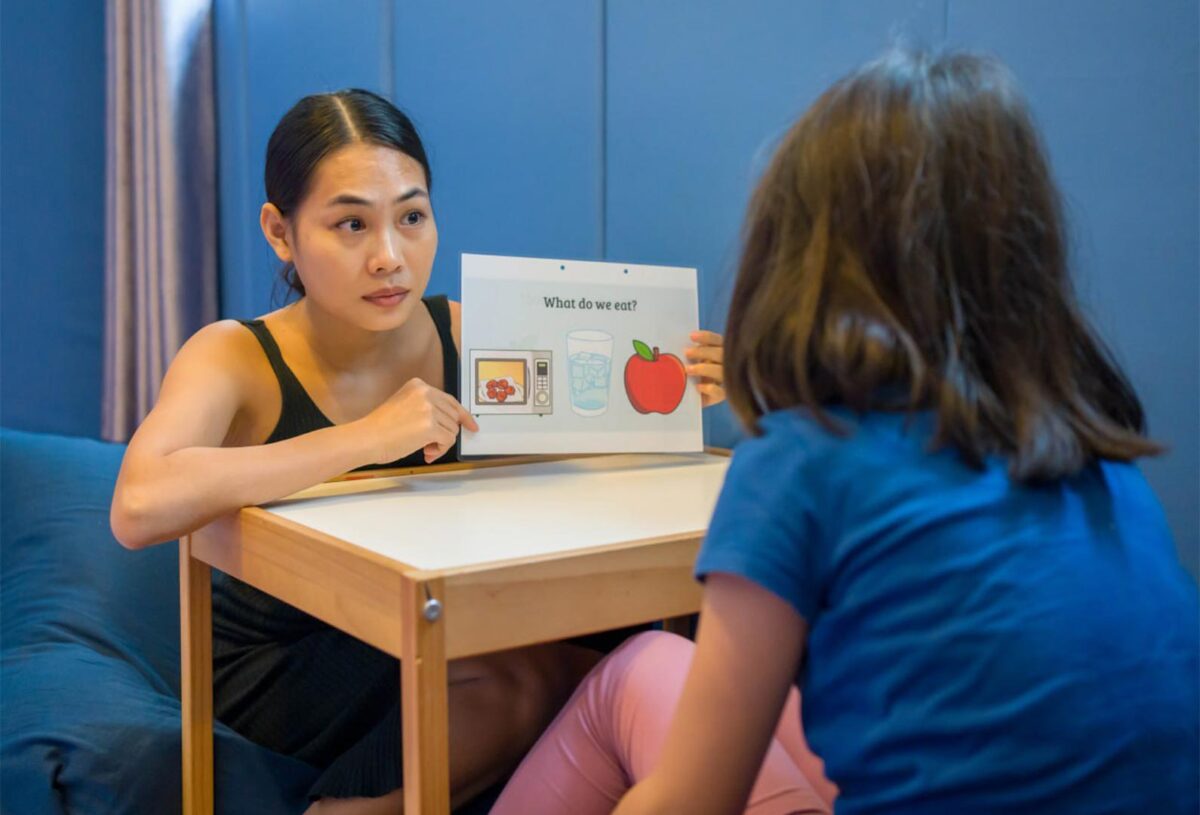
Establishing a structured environment can significantly aid individuals with autism in mastering daily living skills. Routines can provide predictability, which is often comforting for someone on the spectrum. For instance, implementing a morning routine chart can help a child visualize the steps of getting ready for school. Incorporating visual aids, like picture schedules, can transform daunting tasks into manageable ones.
However, rigidity can also pose a challenge. How do we introduce flexibility in this structured framework without provoking anxiety? This balance is pivotal. Transitioning from a predictable routine to an unexpected scenario should be approached with sensitivity and preparation.
Emphasizing Life Skills Through Play
Learning through play is not just beneficial; it’s essential. Playful activities can impart invaluable lessons in daily living skills while fostering a sense of enjoyment. Role-playing games can simulate real-life scenarios, such as grocery shopping or dining out. For example, striking up a pretend restaurant encourages not only interaction skills but also understanding of appropriate behavior in social settings.
Moreover, gamifying tasks—by turning chores into a fun race against time or incorporating rewards for completed tasks—can transform mundane responsibilities into exciting challenges. But the vital question remains: How do we keep the balance between play and skill acquisition so that learning remains effective without losing engagement?
Strategies for Skill Development
Effective strategies are necessary for facilitating daily living skills among individuals with autism. Here are several approaches that can be employed:
- Modeling: Demonstrating a task before the individual attempts it can provide a clear template for success. This method can apply to everything from cooking a simple meal to practicing social exchanges.
- Break Tasks into Steps: Dividing complex tasks into smaller, manageable segments reduces overwhelm and allows for incremental mastery.
- Use of Technology: Apps designed to teach life skills can be instrumental. They can offer interactive learning experiences that are both engaging and educational.
- Positive Reinforcement: Celebrating successes encourages continued effort. Providing verbal praise, stickers, or other rewards can reinforce progress and build confidence.
Overcoming Challenges
As with any developmental journey, challenges are bound to arise. Sensory sensitivities, communication barriers, and emotional dysregulation can present formidable obstacles in the acquisition of daily living skills. It’s essential to maintain patience during these trying times, emphasizing the notion that setbacks do not equate to failure.
Finding creative ways to address these obstacles can lead to innovative solutions. For instance, if noise sensitivity hinders practice in public environments, virtual experiences through simulations can offer a safe space for exploration and learning. It’s vital to tailor strategies to each individual’s unique cognitive and emotional landscape.
The Family’s Role
Families play a critical role in this developmental journey. Family members should act as collaborators, advocates, and supporters. Engaging in the learning process together not only fosters connection but also provides a sense of safety that bolsters confidence. Family workshops and educational resources can empower caregivers to facilitate skill development effectively.
Moreover, open communication about daily living skills within the family can ensure everyone is on the same page. Discussing successes and setbacks, sharing resources, and seeking external support when necessary fosters a collective commitment to growth.
The Path Forward
Embarking on the journey of daily living skills development for those with autism is undeniably challenging, yet immensely rewarding. Embracing a multifaceted approach—recognizing individual needs, fostering an encouraging environment, and utilizing inventive strategies—holds the key to unlocking the potential for independence. As you navigate this intricate landscape, remember to celebrate the small victories along the way. For every skill acquired, another layer of independence is built, allowing individuals with autism to embrace their unique paths in life.