Autism Spectrum Disorder (ASD) can often resemble a multifaceted gemstone, gleaming with different colors and shapes, each angle revealing a unique aspect of its nature. This complexity encapsulates the diversity of behaviors and characteristics present in individuals diagnosed with autism. Understanding the diagnostic criteria and behavioral indicators of autism is essential, as these elements illuminate the diverse experiences of those on the spectrum.
In order to grasp the full spectrum of autism, one must first delve into the diagnostic criteria outlined by the American Psychiatric Association, encapsulated in the DSM-5 (Diagnostic and Statistical Manual of Mental Disorders, Fifth Edition). A diagnosis of autism encompasses a variety of symptoms that collectively paint a portrait of the individual.
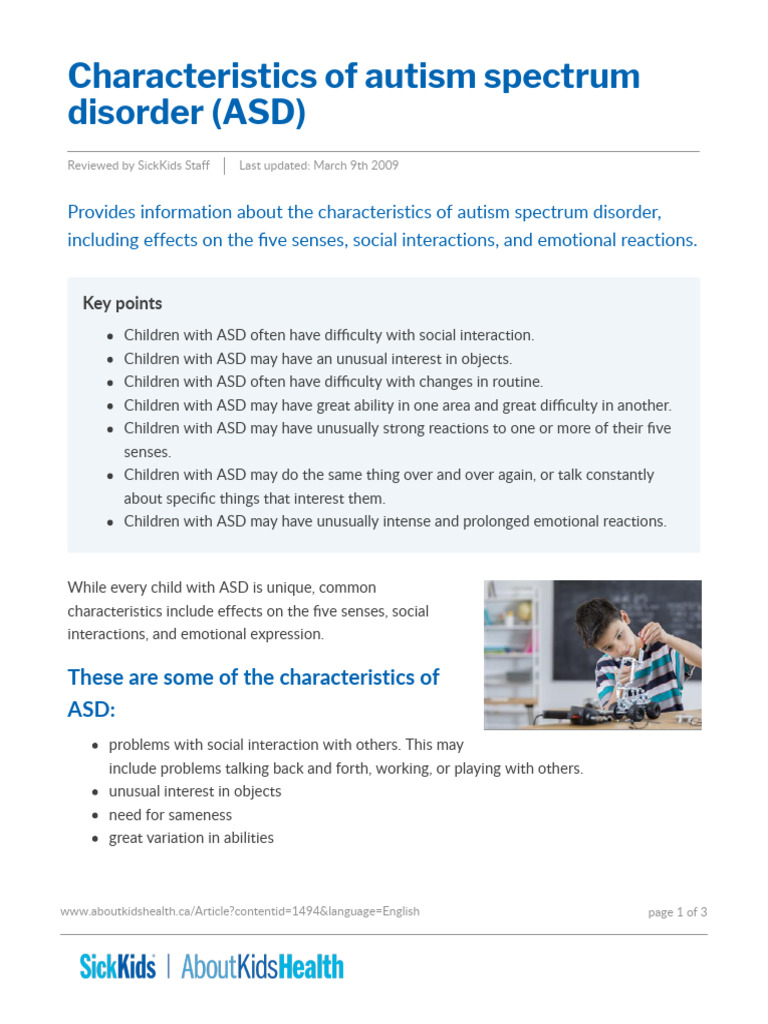
At the core of autism lies a spectrum of challenges primarily in three essential domains: social communication, restricted interests, and repetitive behaviors. Like a painter wielding a brush, these domains create a vivid image, each stroke contributing to the overall picture.
First, consider the realm of social communication. Individuals with ASD may experience significant difficulties in initiating and maintaining conversations, akin to a solitary island emerging from the vast sea. Their ability to read social cues often appears dulled, leading to misunderstandings that echo like distant thunder. These challenges can manifest in various ways, such as a lack of eye contact or challenges in understanding sarcasm and metaphor. Such nuances, integral to human interaction, may feel like an impenetrable fog to those on the spectrum.
Furthermore, the tapestry of social communication expands to encompass challenges in expressing emotions. Individuals may find it arduous to convey their feelings or empathize with others. They might rely on a distinct lexicon or non-verbal methods of interaction, showcasing their unique voices in a symphony that often feels disjointed. Their expressions may be literal, often missing the whimsicality that colors typical interactions, leading to a world that appears stark and devoid of nuance.
Transitioning to the second primary domain, restricted interests often illuminate the extraordinary passions that individuals with autism may possess. Picture an intense beam of light focusing on a particular subject—an intense fascination with trains, dinosaurs, or even mathematics. These interests can dominate their thoughts and conversations, imbuing them with a sense of euphoria. However, this fixation can also serve as a double-edged sword, isolating them from broader interactions and experiences. It is this enigmatic dichotomy that can both captivate and challenge.
Moreover, restricted interests frequently manifest as intense focus, where individuals may exhibit extraordinary skills in their areas of fascination. They may memorize intricate details or develop a profound understanding of complex systems, creating a depth of knowledge that rivals some of the most erudite experts in their fields. This mastery becomes akin to a lighthouse, guiding them through the tumultuous waters of social interaction while simultaneously anchoring them to their interests.
As we explore the final domain, repetitive behaviors become the rhythmic heartbeat of autism. These behaviors, whether physical, such as hand-flapping or pacing, or verbal, such as echolalia—the repetition of phrases—often serve to provide comfort and stability. Much like the gentle sway of a pendulum, these actions can ground individuals in a world that sometimes feels overwhelming. They may act as coping mechanisms, manifesting when anxiety crescendos or when the chaotic nature of life becomes unbearable. Understanding these behaviors requires a compassionate lens, seeing them not merely as quirks but as essential modes of self-regulation.
The convergence of these three domains—the intricate web of social communication challenges, the fervent passions of restricted interests, and the grounding nature of repetitive behaviors—evokes a comprehensive understanding of autism. The interplay among these elements varies significantly among individuals, with some feeling the weight of one domain more heavily than the others. Like a customized puzzle, no two pieces fit the same way, and thus the experience of autism remains uniquely shaped by the individual.
Moreover, behavioral indicators extend beyond the diagnostic framework, delving into the subtleties of how autism manifests in daily life. Sensory processing issues often accompany ASD, wherein the cacophony of the world—be it sounds, sights, or textures—can overwhelm. Imagine standing amidst a bustling festival, with sounds of laughter, music, and chatter swirling in a vivid tapestry. For someone on the spectrum, this vibrancy may transform into an unbearable clamor, triggering flight or fight responses that can be particularly distressing.
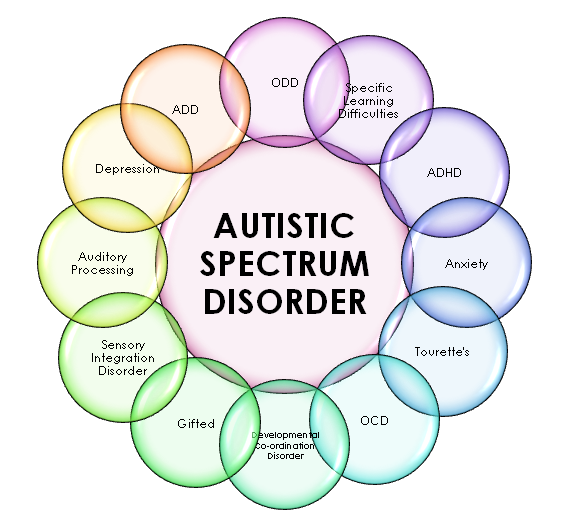
Additionally, the potential for co-occurring conditions—such as anxiety disorders, depression, or Attention Deficit Hyperactivity Disorder (ADHD)—further complicates the landscape of autism. This intersection of conditions may require a multifaceted approach to diagnosis and treatment, akin to a gardener tending to a diverse garden, nurturing different plants with specific care.
In conclusion, autism invites us to explore a diverse world where each individual embodies a distinct narrative shaped by their experiences, characteristics, and challenges. The diagnostic criteria, viewed through the lens of behavioral indicators, unravel the convoluted nature of autism, revealing intricate connections and shared truths among those on the spectrum. At its core, understanding autism fosters empathy, urging society to embrace diversity with open arms, acknowledging that every unique expression is a vital note in the expansive symphony of human experience.