The world of neurodiversity is rich and intricate, encompassing a spectrum of conditions that manifest in a variety of ways. Among these, Autism Spectrum Disorder (ASD) and Asperger’s Syndrome often provoke curiosity, as they share certain characteristics yet diverge significantly in other aspects. Understanding these differences not only fosters clarity but also promotes empathy, illuminating the unique experiences of individuals affected by these conditions.
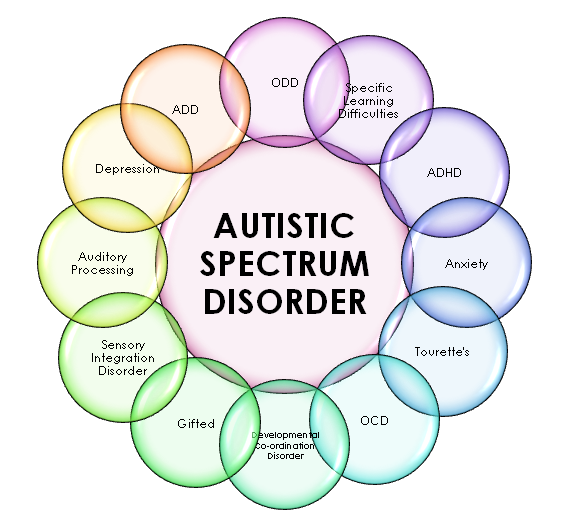
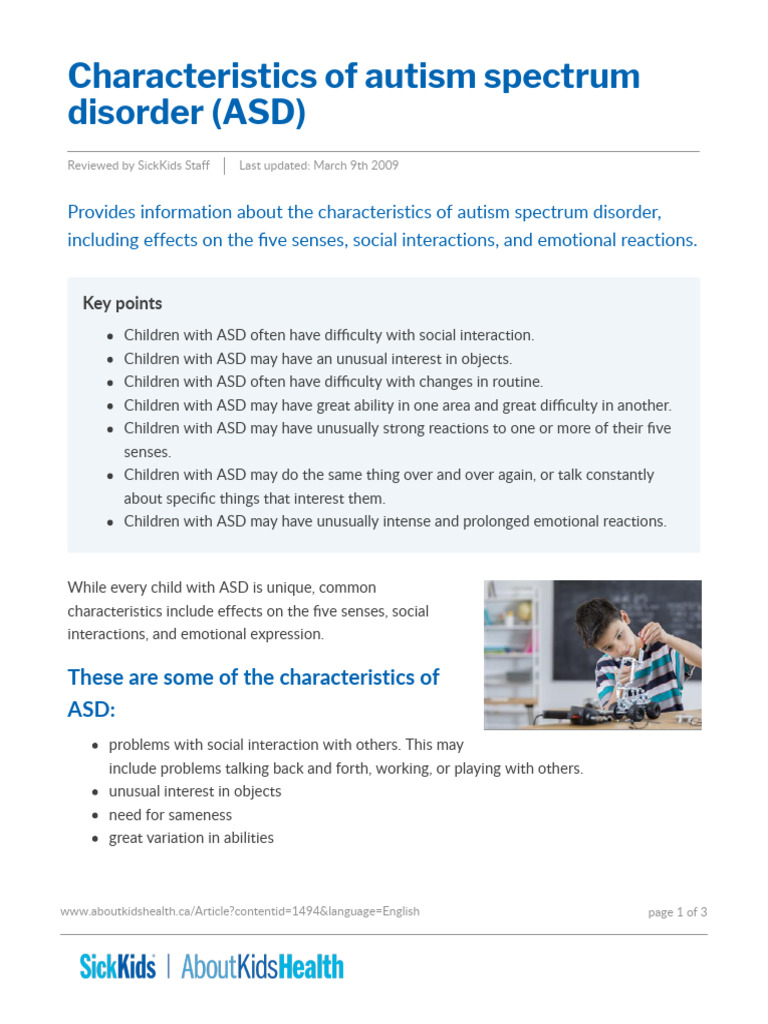
Autism Spectrum Disorder is an umbrella term that encompasses a range of developmental disorders characterized by challenges in social interaction, communication, and repetitive behaviors. Asperger’s Syndrome, once considered distinct, is now recognized as part of the autism spectrum. This historical context is crucial to understand the evolution of these definitions and the reactions to them within both medical and social frameworks.
At the core of the differentiation lies the profound impact on communication skills. Individuals with Asperger’s Syndrome typically exhibit normal to above-average verbal skills. They may engage in verbose, detailed conversations and often possess an impressive vocabulary. However, this linguistic proficiency can sometimes mask underlying difficulties with social cues and nonverbal communication. Conversely, those diagnosed with autism can display a wider range of language abilities, from non-verbal communication to echolalia, wherein they might repeat phrases or sentences that they have heard.
Moreover, social interactions denote a striking dichotomy between the two. While both individuals may face social challenges, those with Asperger’s tend to experience a greater desire for social connection but often struggle to navigate the unpredictable waters of social norms. The behavioral manifestations can include awkward interactions or an inability to intuitively grasp social conventions. In contrast, individuals with autism may demonstrate less interest in social engagement altogether, often preferring solitary activities or environments devoid of social pressures.
Another noteworthy distinction emerges in the realm of cognitive abilities and interests. Asperger’s individuals frequently exhibit a narrow focus on specific topics, sometimes elevating those interests to an obsessive level. This phenomenon is commonly referred to as “restricted interests,” which can be a double-edged sword; it may lead to exceptional expertise but also to a lack of adaptability in conversations or tasks that diverge from their interests. On the other hand, while individuals with autism may have similar restrictive interests, they often show a greater variability in cognitive abilities, ranging from intellectual disability to exceptional skills in certain areas, commonly termed as “savant” abilities.
Furthermore, sensory sensitivities represent a nuanced layer of experience in both groups. Individuals with autism are often more likely to demonstrate heightened sensitivities to sensory stimuli, whether auditory, visual, or tactile. This hypersensitivity can lead to overwhelming experiences, causing distress or meltdowns in environments with excessive sensory input. Those with Asperger’s may also experience sensory sensitivities, but they may articulate their discomfort more clearly, potentially leading to proactive measures to avoid triggering situations.
Developmentally, the manifestation of symptoms also varies. Asperger’s Syndrome is often diagnosed later than classic autism. Individuals may appear to develop typically during early childhood, leading to delayed recognition of their atypical behaviors. As they age, the discrepancies become more pronounced, and many find themselves grappling with social situations that become increasingly complex. In contrast, the signs of autism may be apparent from a very young age, prompting earlier intervention and support.
This divergence in the timing of diagnosis underscores the importance of understanding the myriad developmental trajectories associated with these conditions. Parents, educators, and healthcare professionals must remain vigilant for early indicators in children to provide timely support, irrespective of the label they may eventually receive.
The implications of these differences extend beyond diagnosis and into the realm of treatment and support. Individuals with Asperger’s often benefit from social skills training, which may include role-playing scenarios and direct instruction on nonverbal cues. This targeted approach emphasizes the acquisition of normative social skills, enabling these individuals to navigate social environments more effectively. Conversely, interventions for those with autism may involve a broader spectrum of therapeutic practices, including occupational therapy, speech therapy, and behavioral interventions tailored to their unique needs.
The societal perceptions of both conditions have evolved, albeit in contrasting manners. Asperger’s Syndrome, historically viewed through a lens of scholarly interest, is often romanticized in popular culture, leading to a narrative that emphasizes the prodigious talents of some individuals. In stark contrast, Autism Spectrum Disorder has been the focus of widespread advocacy efforts aimed at fostering acceptance and understanding, striving to illuminate the challenges faced by individuals across the spectrum.
In the educational landscape, inclusive practices can help bridge the gap between neurodiverse individuals and their peers. While schools often implement differentiated instruction to cater to various learning styles, awareness of the distinct needs of those with autism and Asperger’s is crucial for a truly supportive environment. Educators play a pivotal role in creating inclusive atmospheres where both autistic and Asperger’s students can thrive and express their identities without fear of stigmatization.
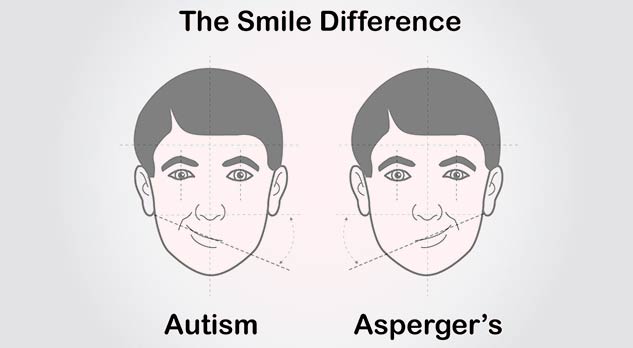
In conclusion, while both Autism Spectrum Disorder and Asperger’s syndrome share commonalities, the nuanced differences in communication, social interaction, sensory experiences, and cognitive abilities underscore the complexity of the human experience. By demystifying these conditions, society can cultivate a more compassionate and informed approach to understanding neurodiversity, ultimately enriching our collective human experience.