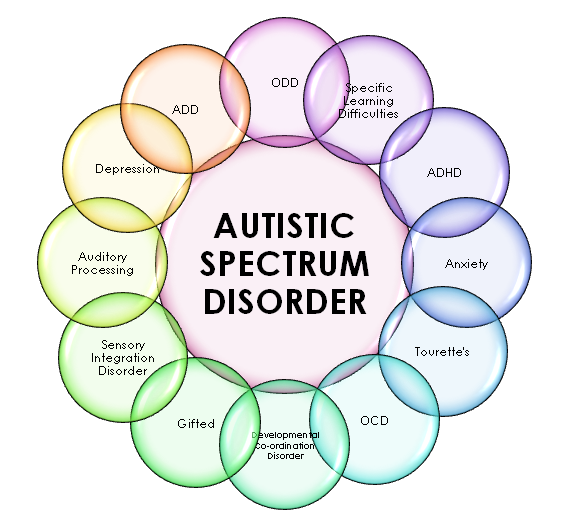
Autism spectrum disorder (ASD) is an enigmatic and complex condition that has captured the attention of educators, parents, and researchers alike. As the prevalence of autism continues to rise globally, the quest for effective educational supports has become paramount. This article delves into the myriad of strategies and resources designed to foster an inclusive learning environment for individuals on the spectrum. Beyond the surface-level understanding of autism, these educational supports promise a transformative shift in perspective, ultimately paving the way for more effective and enriching educational experiences.
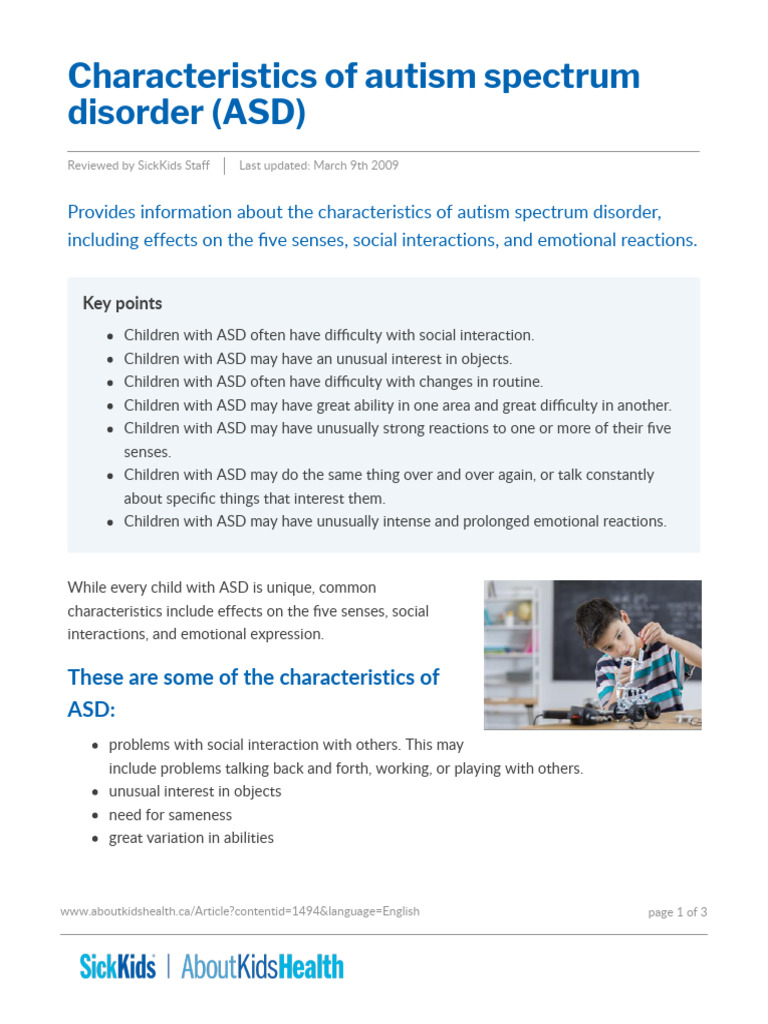
Understanding autism begins with recognizing the unique cognitive and sensory profiles of those who fall within the spectrum. Each individual with autism has distinctive strengths and challenges, which profoundly influences their learning patterns. Consequently, educational supports must be tailored to accommodate these variances. In this exploration, we will examine a wide array of innovative strategies that can redefine educational landscapes for students with autism.
Individualized Education Plans (IEPs) are cornerstone documents designed to ensure that the educational needs of students with disabilities are met. IEPs articulate specific learning objectives, accommodations, and services tailored to each student’s unique attributes and requirements. The collaborative nature of IEP development encourages input from educators, specialists, and families, fostering a holistic approach to education. This personalized framework not only aims to enhance academic performance but also to nurture social and emotional growth.
Universal Design for Learning (UDL) represents a cutting-edge pedagogical framework that seeks to remove barriers to learning for all students, including those with autism. UDL emphasizes flexibility in the curriculum, presenting information in multiple formats and allowing diverse methods for students to demonstrate their understanding. By adopting UDL, educators can create a more adaptable and inclusive classroom that considers the diverse learning preferences characteristic of learners on the spectrum.
Behavioral Interventions, such as Applied Behavior Analysis (ABA), have gained notoriety for their effectiveness in managing challenging behaviors commonly associated with autism. ABA employs a systematic approach to teaching skills and behaviors through reinforcement, shaping positive outcomes in various settings. While some critics argue that ABA may be overly rigid, its application in educational supports underscores the importance of evidence-based practices to enhance learning potential.
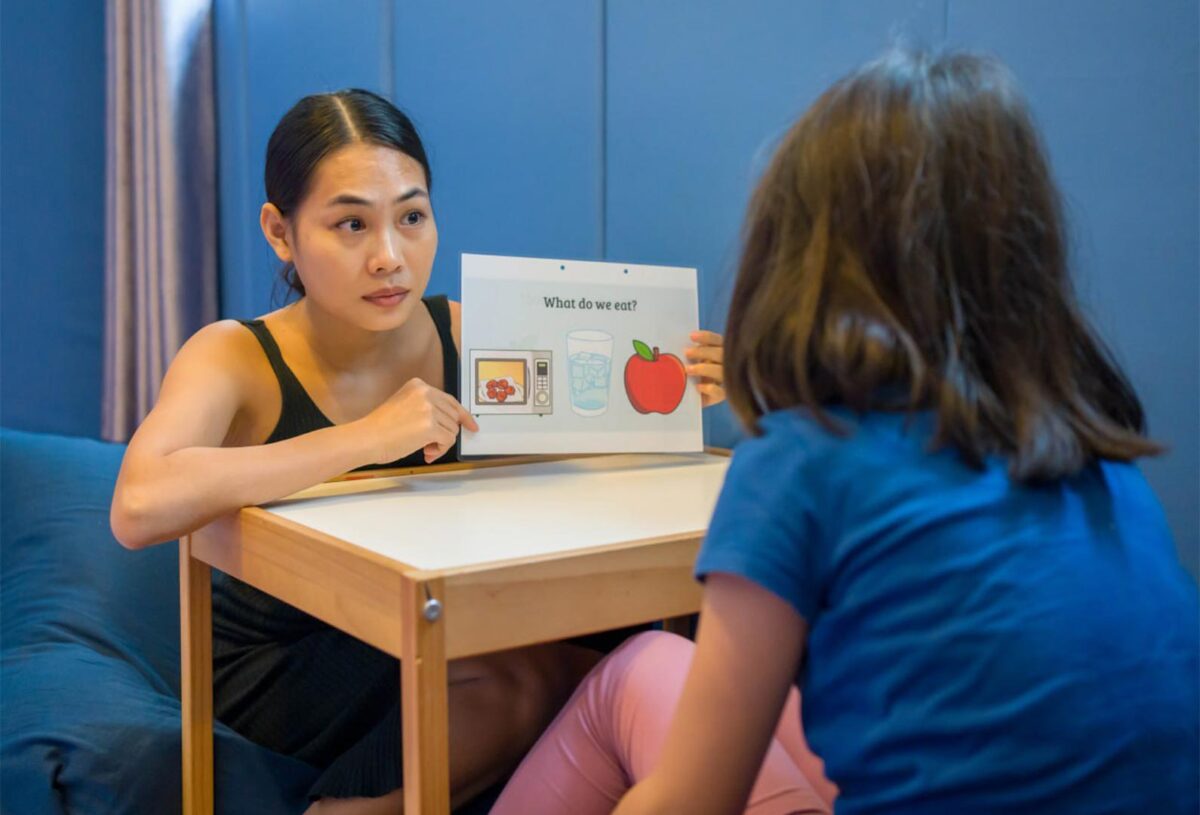
Assistive Technology has revolutionized educational methodologies for students with autism. High-tech tools, such as communication devices, interactive software, and specialized applications, empower learners to engage with content in meaningful ways. These technologies often assist in addressing social communication challenges, enabling students to express their thoughts more freely and interact with peers more effectively. Additionally, low-tech solutions, like visual schedules and graphic organizers, can provide essential structure and clarity in an often chaotic world.
Social skills training is another vital component of educational support for students with autism. Social skills programs are designed to cultivate interpersonal behaviors that may not naturally develop for individuals on the spectrum. Through carefully structured activities, role-playing scenarios, and peer interactions, students can learn to navigate social nuances, fostering friendships and enhancing their emotional intelligence. This cultivation of social competence is crucial, as it helps pave the way for improved participation in both academic and extracurricular contexts.
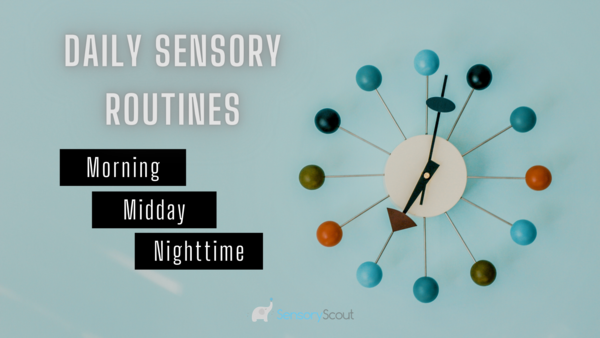
Creating a sensory-friendly classroom is imperative to accommodate the heightened sensory sensitivities many students with autism experience. The design of the physical space can greatly influence a student’s ability to focus and engage. Incorporating elements such as quiet corners, soft lighting, and visually soothing décor can help minimize sensory overload, promoting a more conducive learning environment. Additionally, utilizing sensory tools like fidget devices and noise-canceling headphones can assist students in self-regulating their sensory experiences.
Parental involvement is an indispensable aspect of educational supports for students with autism. Empowering parents to be advocates for their children’s educational journeys fosters a collaborative partnership between home and school, ensuring that each child’s unique needs are addressed. Workshops and support groups for parents can provide valuable resources and guidance, equipping them to navigate the educational landscape confidently. A strong home-school connection facilitates consistent support strategies, enhancing the learning experience for students.
Education for students with autism must be anchored in a philosophy of inclusion rather than segregation. This inclination towards inclusion not only benefits students with autism but enhances the entire educational ecosystem by fostering diversity, tolerance, and acceptance. Integrating students with autism into mainstream classrooms can facilitate peer relationships, encourage empathy, and dismantle stigmas surrounding autism. Educational supports that prioritize inclusion serve to bridge gaps and create a more harmonious learning environment for every student.
The emotional and psychological dimensions of supporting students with autism cannot be overstated. Educators must cultivate emotional intelligence by employing techniques such as mindfulness and self-regulation strategies. Encourage students to recognize, articulate, and manage their emotions, while also fostering resilience in the face of challenges. A classroom that prioritizes social and emotional well-being provides a foundation for academic success and positive growth.
Ultimately, the landscape of educational supports for autism is continuously evolving. By embracing innovative practices, educators can unlock distinct pathways for learning and engagement that empower students on the spectrum. These strategies are not merely interventions; they represent a profound shift in the understanding of autism and education. The mission remains clear: to cultivate an environment where every student can thrive, regardless of their cognitive or sensory profile.
As educators, parents, and administrators continue to champion the cause of autism awareness and support, the landscape of educational possibilities will only continue to expand, creating an enriched future for all learners. In this journey, curiosity is the compass guiding us towards ensuring that each child’s educational experience is not about limitation but a celebration of diversity, potential, and understanding. Let us embrace this opportunity to transform the narrative surrounding autism and educational supports with optimism and resolve.