Autism Spectrum Disorder (ASD) is a complex neurodevelopmental condition that affects individuals in multifaceted ways. As the prevalence of autism continues to rise, the challenges faced by family caregivers and the necessity for robust support systems become increasingly paramount. This article elucidates the myriad ways in which family caregivers can navigate the arduous landscape of autism care, highlighting available resources, emotional resilience, and community engagement.
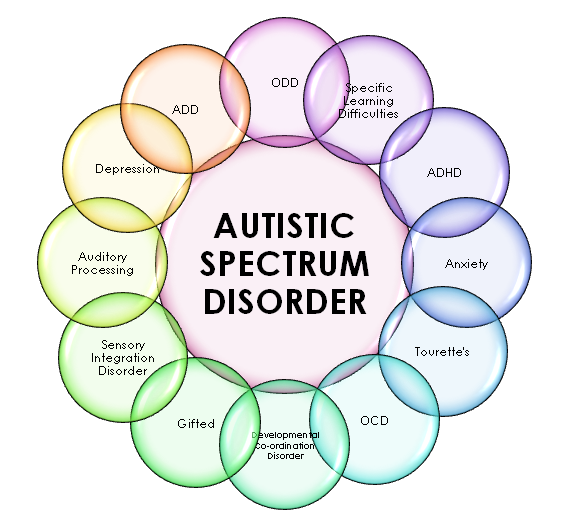
Understanding autism is the first step towards effective caregiving. It is a spectrum disorder, meaning that the symptoms and their severity can vary significantly among individuals. Some individuals may demonstrate remarkable cognitive abilities but struggle with social interaction, while others may experience profound developmental delays. Thus, family caregivers often find themselves on a journey of continuous learning, requiring them to adapt to the evolving needs of their loved ones.
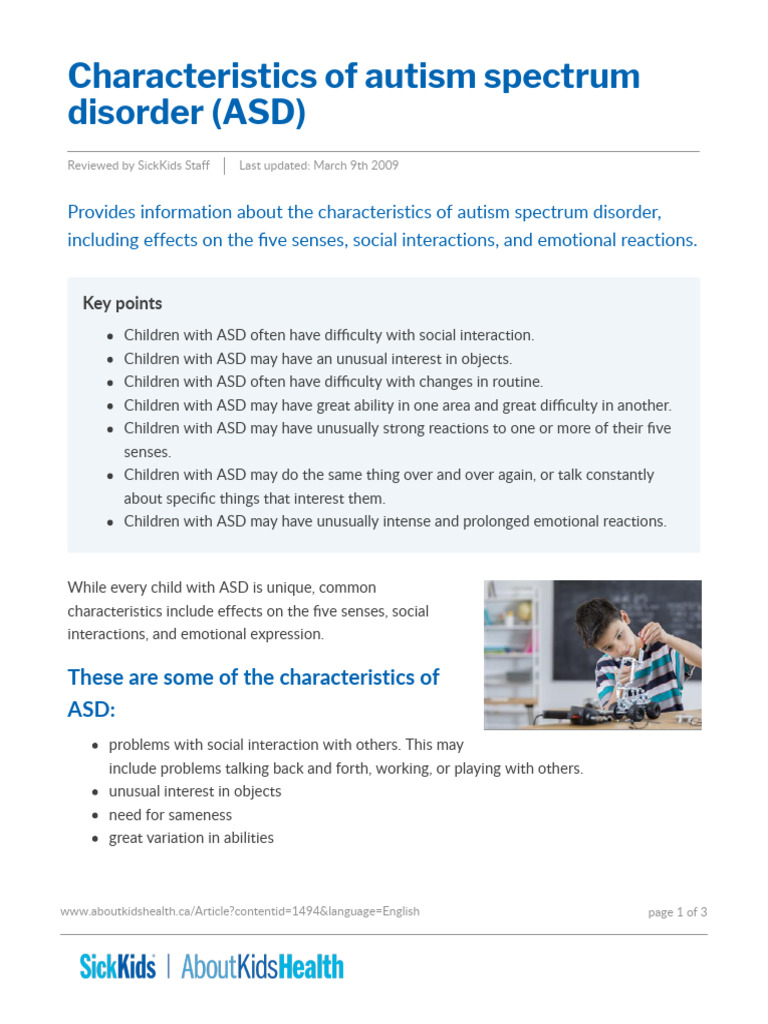
Caregivers should gather knowledge about autism and its characteristic behaviors. This understanding can foster empathy, aid in communication, and enhance overall relational dynamics. Resources such as books, online courses, and workshops can provide invaluable insights into the autism spectrum, empowering caregivers to respond to specific challenges effectively.
Support systems are integral for caregivers. They often face emotional and physical strain, which can lead to burnout. Establishing a network of support is crucial. This network can include family, friends, healthcare professionals, and fellow caregivers. These connections not only provide practical assistance but also emotional reinforcement, reminding caregivers that they are not alone in their journey.
Friends and relatives can play a pivotal role. Educating them about autism helps dismantle stigma and promotes understanding, fostering a more inclusive environment. Regular communication regarding the needs and preferences of the individual with autism can assist these allies in offering tailored support. Moreover, setting clear boundaries about the type of assistance one requires can relieve some of the pressure caregivers might feel.
In addition to informal support systems, professionals trained in autism care can offer indispensable resources. Occupational therapists, speech therapists, and psychologists can provide targeted strategies to address specific behavior patterns and communication challenges. They can also train caregivers in techniques to manage daily routines, enhancing both the individual’s quality of life and the caregiver’s experience.
Local and national autism organizations can be treasure troves of resources. Many offer workshops, support groups, and informative literature. Engaging with community resources can also facilitate connections with other families navigating similar challenges. For example, support groups allow caregivers to share experiences, strategies, and advice, fostering camaraderie and reducing feelings of isolation.
Moreover, technology can alleviate some burdens shouldered by caregivers. There are numerous apps designed to assist in tracking behaviors, scheduling appointments, and even providing communication aids for individuals with autism. These tools can streamline day-to-day operations, allowing caregivers to focus more on emotional support and less on logistics.
Resilience is another cornerstone of caregiver well-being. Developing coping strategies is essential. Mindfulness techniques, such as meditation and deep-breathing exercises, can significantly mitigate stress. These practices help caregivers remain centered amidst the chaos that often accompanies managing autism. Pursuing hobbies or personal interests is also critical; it nurtures a sense of identity separate from the caregiver role, which is vital for mental health.
Physical health should not be overlooked either. Regular exercise, adequate rest, and nutritious meals foster resilience and vitality, equipping caregivers to tackle daily challenges with a clear mind and strong body. Engaging in physical activities, whether through group classes or solitary forms of exercise, serves not only to maintain health but also to provide a necessary outlet for stress relief.
Family caregivers also need to advocate for their loved ones. This advocacy can take many forms, from securing proper educational accommodations to ensuring medical needs are met. Establishing clear communication with teachers and healthcare providers is essential. Creating an Individualized Education Plan (IEP) can enhance educational outcomes for children with autism, enabling caregivers to be forthright about their loved one’s unique requirements.
Transitions are often particularly challenging for individuals with autism. Preparing for changes, such as a move to a new school or a change in routine, requires careful planning and support. Establishing visual schedules or social stories can offer a visual representation of what to expect, potentially easing anxiety. As caregivers, anticipating these transitions and equipping loved ones with coping strategies is paramount.
Family relationships can be strained under the pressure of caregiving. Regular family meetings can facilitate open dialogue about everyone’s feelings and needs. Such discussions promote mutual understanding and collaborative problem-solving, allowing family units to remain cohesive and supportive. This communal approach not only uplifts the individual with autism but also boosts the spirits of the caregivers.
Ultimately, caring for a loved one with autism requires a multifaceted approach. By leveraging knowledge, cultivating a support network, and prioritizing emotional and physical health, caregivers can create a nurturing environment conducive to growth and happiness. The journey may be complex and fraught with obstacles, but the rewards of compassion, resilience, and tenacity can yield profound transformations for both caregivers and their loved ones.
In conclusion, the intricate tapestry of autism caregiving encompasses not only the challenges inherent in the journey but also the potential for profound connections and growth. Through accessible resources, a robust support network, and unwavering advocacy, family caregivers can thrive, creating an atmosphere of acceptance and understanding that ultimately benefits the entire family. United, they can face the multifarious challenges of autism, fostering a future imbued with hope and possibility.