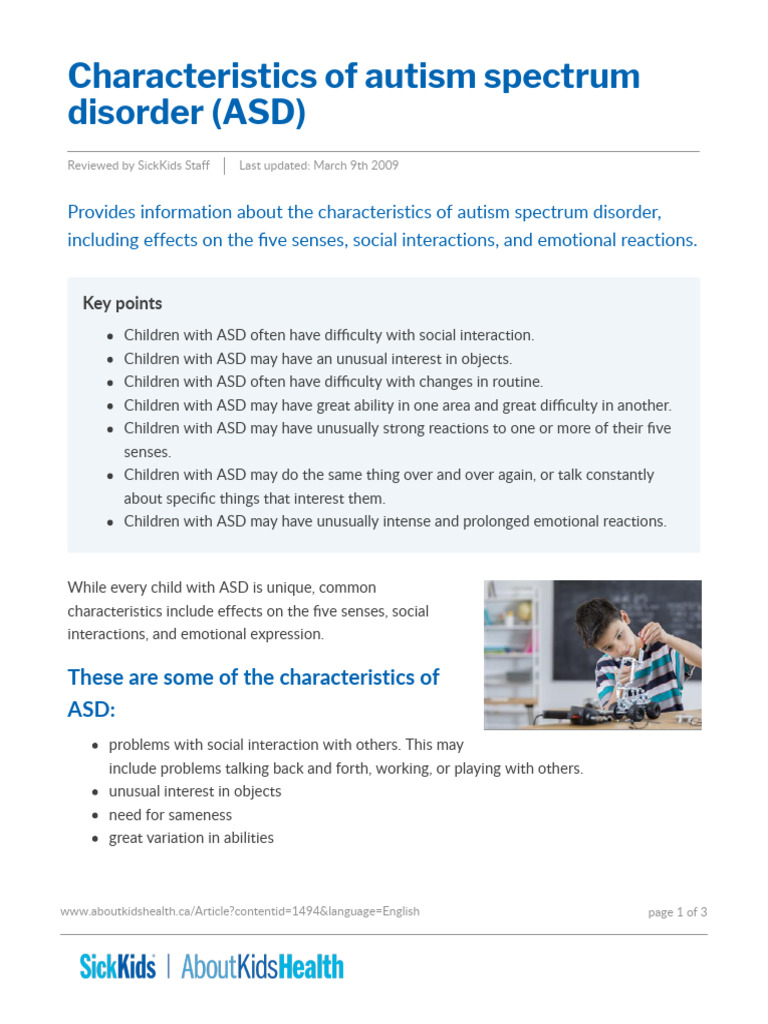
Have you ever paused to ponder why certain individuals exhibit the characteristics of autism spectrum disorders (ASD)? Could it be that the very fabric of our DNA weaves a tale that elucidates the complexities of neurodevelopmental disorders? This inquiry unveils a multifaceted exploration into the genetic foundations of autism, shedding light on the interplay between heredity and environment.
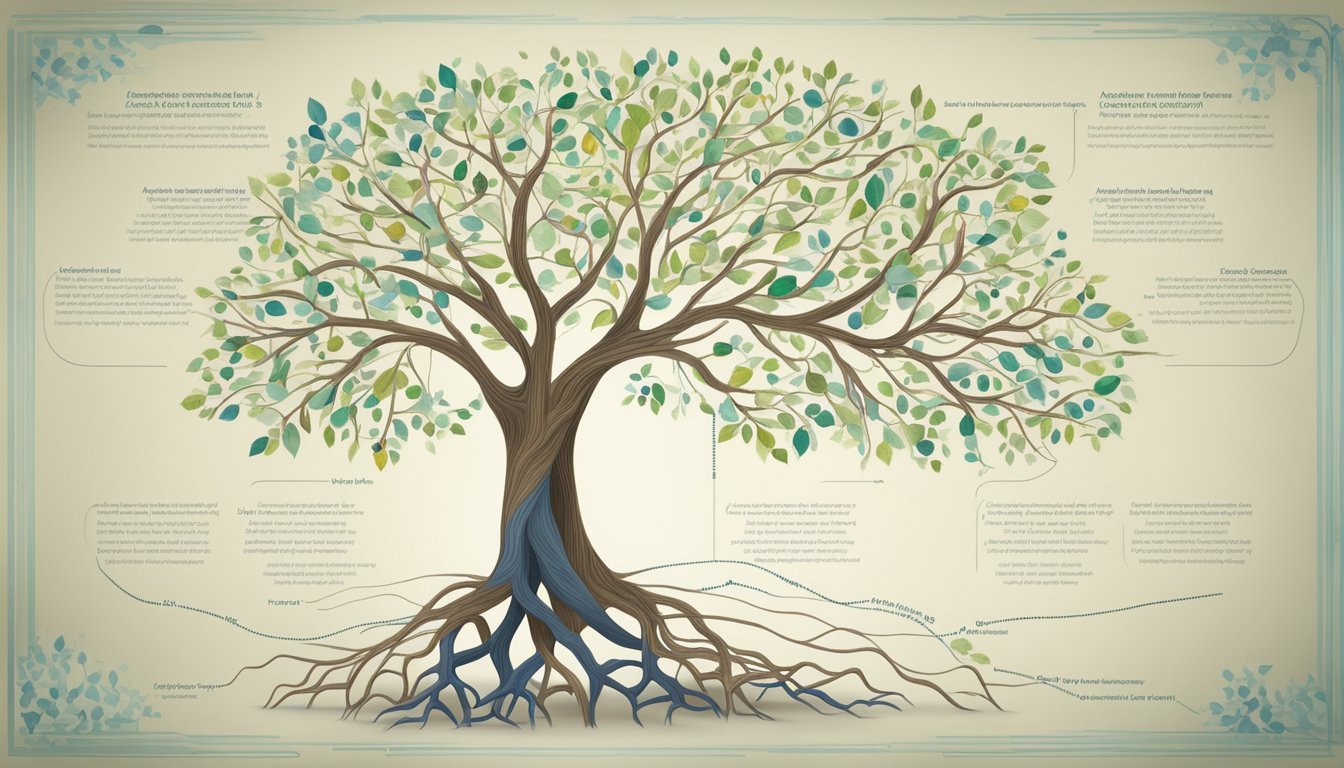
The genetics of autism is an intricate tapestry woven from various threads of hereditary material. Contrary to antiquated perceptions that downplayed the role of genetics, contemporary research robustly supports the hypothesis that genetic factors significantly influence an individual’s likelihood of developing ASD. With the global prevalence of autism estimated at approximately 1 in 54 children, understanding the genetic underpinnings has never been more critical.
The genetic basis of autism is not monolithic. It is characterized by polygenic inheritance, meaning that multiple genes contribute to the manifestation of the disorder. High-throughput genomic technologies have unveiled countless genetic variants associated with autism. These variants may disrupt synaptic functioning, influence neural connectivity, or affect neurotransmitter systems, collectively offering insight into the biological mechanisms at play.
To begin with, let us delve into the role of heritable factors. Numerous family and twin studies have revealed a significant heritability estimate of ASD, hovering around 80% to 90%. This compelling statistic poses an intriguing question: If genetics plays such a predominant role, to what extent do environmental factors modulate this predisposition? The juxtaposition of nature versus nurture initiates a spirited dialogue in scientific circles.
One particularly fascinating dimension of genetic research is the identification of rare, de novo mutations—mutations that occur spontaneously in an individual rather than being inherited from parents. These mutations are increasingly recognized as pivotal players in autism’s etiology, particularly in syndromic forms. Conditions such as Rett syndrome and fragile X syndrome elucidate how specific genetic alterations correlate with severe autistic traits, highlighting the importance of robust genomic screening in diagnostic assessments.
As exciting as this exploration is, it ushers forth a formidable challenge for researchers and families alike: the vast complexity of the human genome. The interplay of genetic variants can culminate in diverse phenotypes, where two individuals with similar genetic backgrounds manifest vastly different developmental trajectories. This variability complicates the task of establishing a singular diagnostic criterion for ASD, urging scientists to consider a more nuanced understanding of autism’s presentation.
Moreover, the concept of epigenetics emerges as a crucial factor in autism research. Epigenetic modifications—changes that affect gene expression without altering the DNA sequence itself—can profoundly influence neurodevelopment. Environmental factors, such as prenatal exposure to certain toxins or maternal mental health, may engender epigenetic changes that predispose offspring to autism. Consequently, this intersection of genetic predisposition and environmental triggers complicates our understanding of causality, raising the question: Can autism be mitigated or modified by targeting specific epigenetic pathways?
In addressing these queries, advancements in genomic technologies, such as whole-genome sequencing and CRISPR gene editing, portray a landscape ripe with potential. Researchers are increasingly employing these advanced methodologies to elucidate the genetic foundations of autism. Through large-scale genome-wide association studies (GWAS), scientists can identify common single nucleotide polymorphisms (SNPs) that may contribute to autism risk. These revelations could lead to innovative interventions and therapeutics aimed at ameliorating symptoms or even preventing the disorder from manifesting in genetically predisposed individuals.
Nonetheless, while genetic explorations burgeon, ethical considerations burgeon in tandem. Discussions about genetic screening arise, propelled by the prospect of preemptive interventions. Is it ethical to select against genetic predispositions for autism? This question compels society to grapple with moral implications intertwined with genetic discoveries. It evokes diverse perspectives from proponents of genetic intervention who advocate for informed parental choices to critics who caution against stigmatization and the potential erosion of neurodiversity.
The exploitation of artificial intelligence (AI) and machine learning in predictive modeling represents yet another frontier in autism research. By analyzing vast datasets of genetic and clinical information, AI can uncover patterns and correlations that erstwhile methodologies may have overlooked. Such innovations may enable earlier detection and intervention strategies tailored to the individual needs of children on the spectrum.
In conclusion, the genetic foundations of autism present a pervasive, multifaceted narrative replete with both promise and challenges. The quest to decode this enigmatic disorder continues to inspire scientific inquiry and societal contemplation. As we navigate the confluence of genetic research and ethical considerations, we must remain vigilant, ensuring that advancements serve to uplift, educate, and empower communities affected by autism. Acknowledging the complexity of this journey is paramount, for within it lies the key to unlocking a brighter and more inclusive future for individuals on the autism spectrum.