Autism Spectrum Disorder (ASD) is a multifaceted condition characterized by a variety of behavioral and developmental challenges. One of the primary areas of inquiry in the study of autism revolves around the genetic mutations that may contribute to its manifestation. As researchers delve deeper into the genetic underpinnings of autism, a captivating question emerges: could our genes be orchestrating not just our individual identities but also influencing the complex interactions that define autism? This exploration unveils a rich tapestry of genetic factors, environmental interactions, and the ever-expanding quest for understanding. Yet, as this field evolves, it presents a formidable challenge—how do we reconcile the intricate nature of genetics with the diverse experiences of individuals on the autism spectrum?
The intricate world of genetic mutations associated with autism is vast. Studies show that variations in numerous genes can contribute to an increased risk of developing ASD. These mutations can be broadly categorized into two types: rare de novo mutations and common inherited variants. De novo mutations are unique, occurring spontaneously in an individual and not inherited from parents. Conversely, inherited variants are those passed down through generations, highlighting the familial aspects of genetic predisposition.
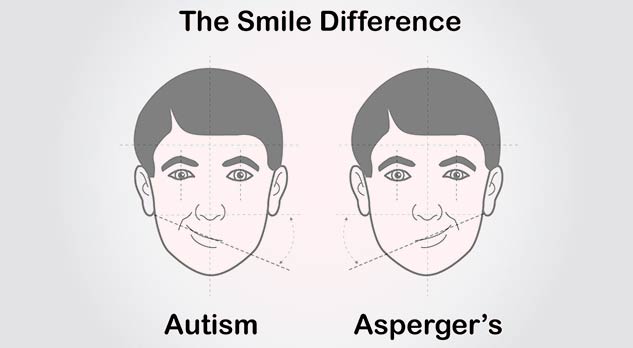
Among the myriad of genes implicated in autism, CHD8 stands out. Mutations in this gene can lead to significant developmental alterations. Interestingly, individuals with CHD8 mutations often exhibit specific traits such as macrocephaly and distinct facial characteristics. This correlation illustrates how genetic anomalies can manifest not only in behavior but also in physical attributes, fostering a more holistic understanding of the disorder.
Another pivotal player in the genetic landscape of autism is the NRXN1 gene. This gene encodes for neurexins, which are essential for synaptic function in the brain. Disruptions in NRXN1 may affect the communication between neurons, hence contributing to the challenges faced by individuals with autism. The functionality of this gene underscores the critical role that neurotransmitter systems play in cognitive and social behaviors, providing insight into how biological pathways shape our interactions.
Expounding further, the interaction between genetics and environmental factors cannot be overlooked. Epigenetics—the study of changes in gene expression without altering the DNA sequence—demonstrates how external influences can modify genetic predispositions. Factors such as prenatal exposure to toxins or maternal health conditions can potentially influence gene expression, adding layers of complexity to the autism landscape. Thus, we find ourselves at the confluence of biology and environment in understanding the myriad factors contributing to autism.
Moreover, the polygenic nature of autism complicates the genetic narrative. It is now acknowledged that ASD is influenced by the cumulative effects of multiple genes rather than a singular mutation. Research suggests that hundreds of genes may interact in ways that affect neural development, signaling pathways, and even immune responses. As we uncover more about these polygenic influences, we face another challenge: how to effectively identify these genetic variants and their contributions to individual cases of autism.
The advent of advanced technologies such as whole-genome sequencing has ushered in a new era in autism research. These techniques allow scientists to scrutinize an individual’s entire genetic code, revealing potential mutations that may have been previously overlooked. However, with great power comes great responsibility. The ethical implications of genetic testing are profound. How do we ensure that the information gleaned from genomics is used to support individuals and families rather than stigmatize them? This question looms large in the realm of genetic research.
Meanwhile, the role of genetic counseling gains prominence as families navigate these complex waters. Genetic counselors provide invaluable support, helping families understand genetic testing results and the potential implications for their loved ones. They help demystify the intersection of genetics and autism, translating intricate scientific language into accessible knowledge. This support is crucial in empowering families, allowing them to make informed decisions about care and interventions.
As researchers continue to unravel the intricate web of genetic influences on autism, it’s essential to emphasize that autism is not solely a genetic disorder. The human experience is shaped by a myriad of factors, including social, emotional, and environmental dimensions. Each individual on the autism spectrum possesses a unique constellation of traits, and no two experiences are identical. This realization calls for a more nuanced approach to treatment and support, one that encompasses not just the biological but also the behavioral and environmental elements of autism.
The road ahead in the study of autism and genetics is riddled with challenges, yet it is also filled with promise. Exploring the genetic factors associated with autism opens doors to early detection and tailored interventions that may significantly enhance quality of life. As we delve deeper into this fascinating realm, one thing remains clear: understanding the genetic intricacies of autism is a crucial step toward deconstructing the barriers that individuals on the spectrum face.
In conclusion, while genetic mutations linked to autism present a compelling area of study, they also pose significant questions and challenges that demand thoughtful engagement. How can we harness the knowledge of genetics to foster inclusivity, acceptance, and understanding while respecting the unique narratives of individuals on the autism spectrum? As society strives to answer this question, the interplay of genes and experiences will continue to shape our understanding of what it means to live with autism.