Throughout the annals of psychological research, the landscape of neurodevelopmental disorders has continually evolved, redefining our understanding of conditions such as autism. Among the various manifestations of autism, Asperger’s Syndrome has occupied a particularly unique niche. While it was once classified as a standalone diagnosis, its historical journey and subsequent classification reveal much about our shifting perceptions of neurodiversity.
Asperger’s Syndrome, first delineated in the mid-20th century, was named after the Austrian pediatrician Hans Asperger, whose observations of children displaying maladaptive social behaviors laid the groundwork for what would later be recognized as a continuum of autism spectrum disorders (ASD). In a time fraught with misunderstanding surrounding mental health, Asperger’s clinical notes from the 1940s highlighted children who possessed cognitive abilities within the average range yet faced significant challenges in social communication. His seminal work pointed to a group of individuals who exhibited intense interests and peculiar mannerisms, raising pivotal questions regarding the necessity for a distinct classification.
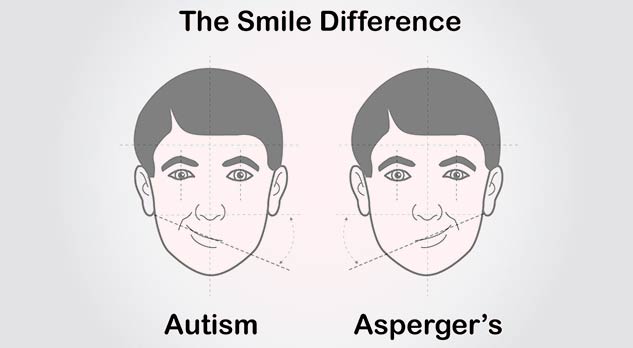
Fast forward to the late 20th century; the evolution of Asperger’s Syndrome took a critical turn. In 1994, the American Psychiatric Association recognized Asperger’s as a distinct disorder in the DSM-IV (Diagnostic and Statistical Manual of Mental Disorders, Fourth Edition). This classification validated the experiences of many and initiated a broader discussion on the spectrum of autism. Individuals diagnosed with Asperger’s Syndrome were characterized primarily by their social impairments, restricted interests, and a generally average to above-average intellectual functioning. However, these characteristics often coexisted with a strikingly unique set of strengths, particularly in areas such as memory and attention to detail.
Despite the advantages the recognition brought, the classification remained fraught with complications. While the diagnosis aided many in gaining access to resources and support, it also catalyzed the debate surrounding the categorization of neurodivergent identities. As research progressed, it became increasingly clear that the distinctions drawn between Asperger’s and other forms of autism often lacked empirical grounding. Thus, in 2013, the DSM-5 (Fifth Edition) reconfigured the landscape entirely by subsuming Asperger’s Syndrome into the broader category of autism spectrum disorder. This reclassification sparked myriad reactions, from acceptance to resistance within both professional and advocacy circles.
The amalgamation into ASD sought to recognize the vast heterogeneity inherent within autism. It echoed the sentiment that autism exists on a spectrum characterized by varying degrees of severity. This dimensional perspective moved away from rigid categories, allowing for a more nuanced understanding of each individual’s unique profile. However, this shift raised discussions about identity and diagnosis, particularly regarding those who had previously identified strongly with the Asperger’s label. Many within the community felt a profound connection to the term, having navigated social challenges and gifts defined by their experiences under this classification.
As we reflect on the historical trajectory of Asperger’s Syndrome, it’s essential to explore the clinical implications of its reclassification. Medical professionals now approach assessments through a comprehensive lens, evaluating individuals for a spectrum of characteristics rather than fitting them into predefined boxes. This holistic view incorporates various diagnostic tools, from standardized tests to behavioral observations; ultimately, the goal is to create personalized support frameworks that align with individual identities.
Moreover, the retrospective examination of Asperger’s provides essential insights into the broader societal context of autism. The response to the classification transition emphasizes the evolving narrative surrounding neurodiversity. Advocacy groups are at the forefront, promoting awareness and understanding of the experiences of individuals on the autism spectrum. The discourse surrounding autism increasingly recognizes the relevance of acceptance, highlighting the importance of community perceptions in shaping the identities of those diagnosed. Their voices echo through initiatives that seek to foster inclusion, challenging outdated stereotypes and stigma that have long beleaguered autism.
Additionally, the educational implications of understanding Asperger’s within the context of ASD cannot be understated. Schools and educators are increasingly required to adapt their approaches to accommodate diverse learning needs. Depending on the individual characteristics identified, interventions may encompass specialized instruction, social skills training, and tailored behavioral strategies. Recognizing that each individual brings a unique set of strengths and challenges facilitates a more responsive educational environment capable of nurturing talent and fostering growth.
In contemplating the repercussions of the historical and classification shifts surrounding Asperger’s Syndrome, it becomes evident that the journey is incomplete. Continued advocacy and research are paramount in dismantling barriers and promoting understanding. The nuances of autism, once relegated to the peripheries, are gradually entering the mainstream dialogue. As awareness burgeons, enriching the discourse around neurodiversity, the collective challenge remains—developing an inclusive society that embraces the richness of human variation.
In conclusion, the exploration of Asperger’s Syndrome offers a compelling view into the complexities of autism and the inherent diversity within human cognition and behavior. While historical classifications have faded into the background, their impacts resonate through current discussions and practices. Understanding the evolving narrative not only provides clarity on diagnostic practices but also fosters a culture of acceptance and appreciation for those navigating the beautiful intricacies of autism.