Autism Spectrum Disorder (ASD) is a complex neurodevelopmental condition that affects individuals in diverse ways. When parents or caregivers first encounter the idea of an autism diagnosis, an array of emotions may bubble up—confusion, fear, and perhaps even relief at finally having a name to a collection of behaviors. As you embark on this journey of understanding autism, one playful question often arises: What if the traits that set an individual apart are the very qualities that will help them shine in a world designed for neurotypical individuals?
Receiving an autism diagnosis can be both a daunting challenge and an illuminating journey. It poses a unique set of hurdles, as navigating the educational, social, and emotional implications of the condition requires diligence and compassion. Moreover, there are numerous pathways to understand, adapt to, and support a person diagnosed with autism, exemplifying the intricacies and nuances of such a journey.
Understanding the Spectrum
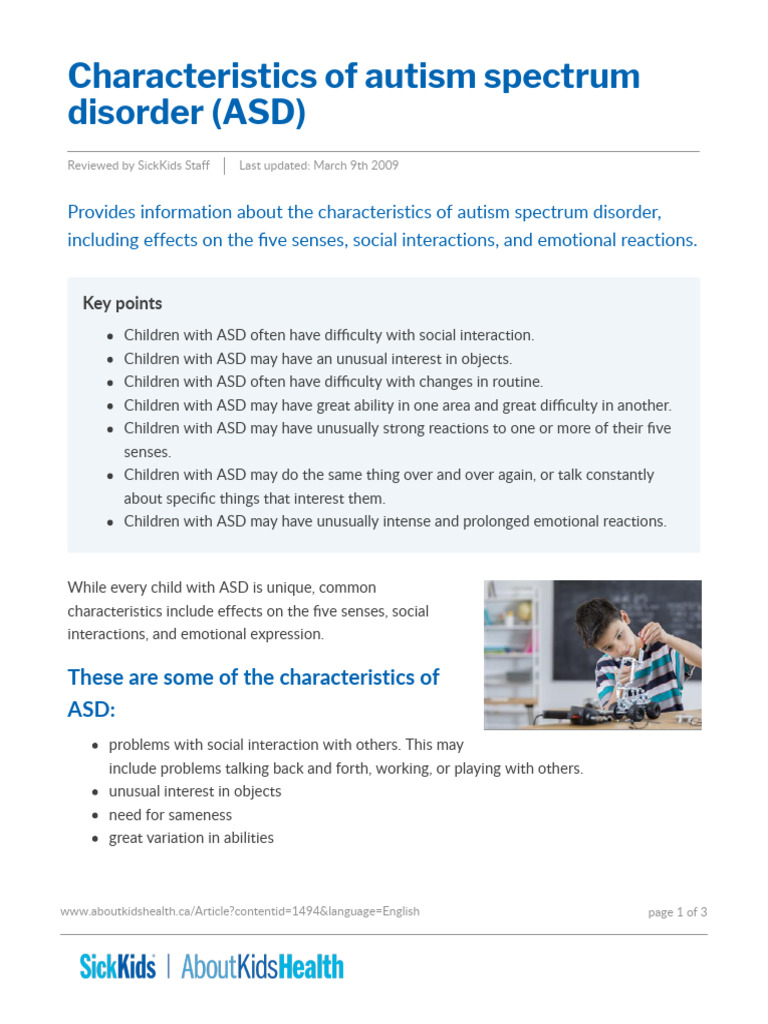
The term “spectrum” encompasses a wide variety of symptoms, skills, and manifestations. This heterogeneity means that no two individuals with autism are alike, making it crucial for parents and caregivers to adopt a tailored approach for each person. Some may exhibit extraordinary talents, such as exceptional memory or artistic skill, while others may struggle with basic daily routines. The complexity of autism can make it challenging to know where to begin exploring its impact.
The Diagnostic Process: What to Expect
When seeking a diagnosis, the journey often starts with consultations with pediatricians or specialists who may conduct developmental screenings. Careful observations, detailed interviews, and standardized tests help professionals form an understanding of the individual’s challenges and strengths. Parents should prepare for a thorough exploration of the child’s communication, social skills, and repetitive behaviors. While the process can be lengthy and sometimes fraught with anxiety, it serves as an essential first step toward crafting an effective support plan.
Living with an Autism Diagnosis
Post-diagnosis, many families wrestle with a plethora of emotions. Acceptance of the diagnosis may come easier to some than others. Many individuals find solace in the realization that they are not alone. Joining support groups, whether online or in person, may provide essential communal understanding and guidance. These networks often serve as invaluable forums for sharing experiences, strategies, and resources.
However, one of the most immediate challenges that arise post-diagnosis is the question of education. How can families ensure that their child receives the best educational practices tailored to their unique needs? To address this, it is paramount for parents to collaborate closely with educators, advocating for personalized learning plans that accommodate their child’s distinctive learning styles.
Creating a Supportive Environment
A crucial component of facilitating a nurturing atmosphere is understanding sensory sensitivities, which are common in many individuals with autism. These sensitivities may lead to overwhelming reactions to loud noises, bright lights, or even specific textures. Consequently, parent and caregiver awareness about creating safe spaces significantly enhances the well-being of those with ASD. This might include calming sensory rooms or using noise-canceling headphones in chaotic environments.
Furthermore, the emotional landscape of navigating an autism diagnosis remains paramount. As families traverse this new terrain, fostering open communication becomes essential. It is beneficial to create opportunities for conversations about feelings, accomplishments, and challenges. Seeking the assistance of therapists specializing in play or family dynamics can also facilitate this process, as they can help build emotional intelligence and robust coping mechanisms.
Pivotal Roles of Therapies
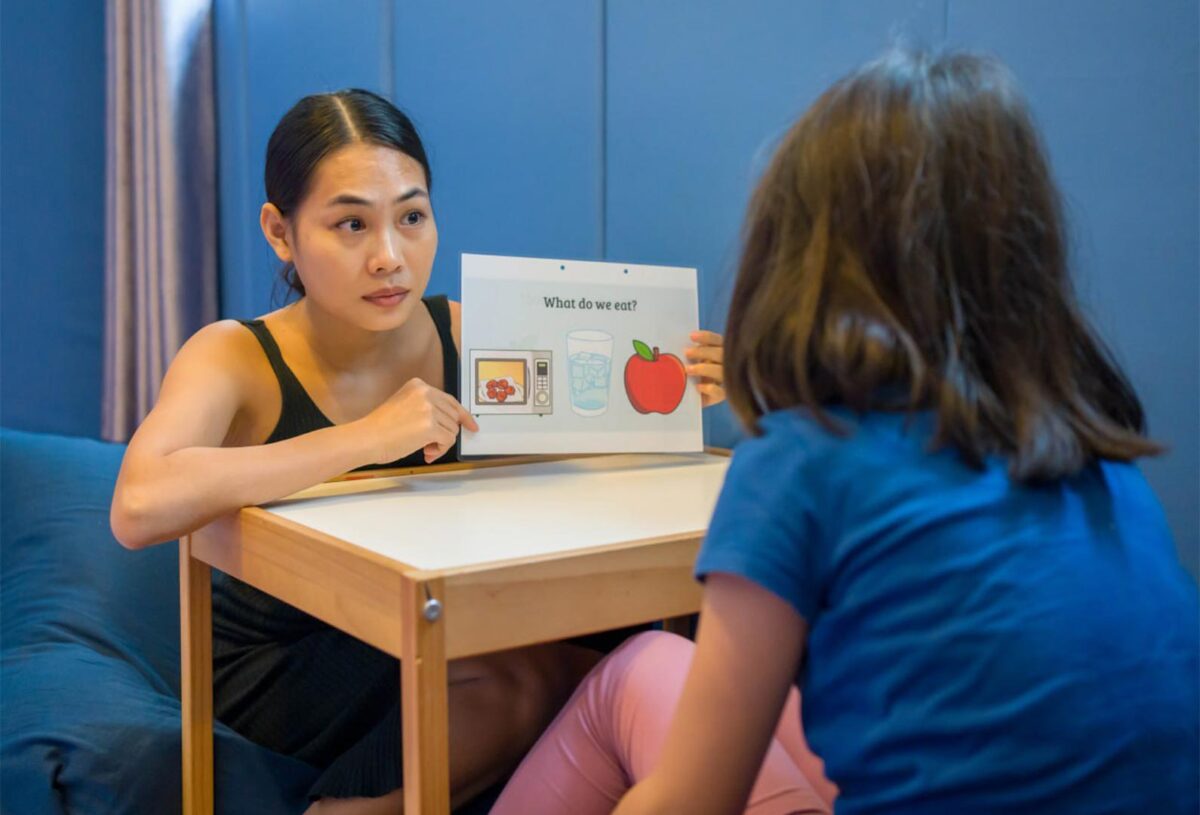
Therapeutic interventions can play a critical role in the development of individuals diagnosed with autism. Various therapies are available, each serving distinct purposes. Applied Behavior Analysis (ABA) is widely recognized for its effectiveness in enhancing communication and social skills. Meanwhile, Social Skills Training (SST) assists individuals in understanding social cues and interacting more proficiently with peers. Occupational therapy may also provide insights into enhancing daily living skills, focusing on fine motor skills and sensory integration.
As families navigate the difficult waters of autism, it is crucial to advocate for Early Intervention services. These programs often yield significant advantages by starting them before a child reaches the age of three. Identifying and harnessing strengths concurrently with addressing challenges fosters a robust foundation for lifelong learning and personal growth.
Encouraging Independence: Life Skills Development
The ability to live independently is a vital aspiration for many individuals on the autism spectrum. Instruction in life skills becomes instrumental in promoting self-sufficiency. This may range from learning to manage personal hygiene, prepare simple meals, or utilize public transportation effectively. As children transition into adolescence, cultivating these skills is paramount to easing the eventual shift into adulthood.
Additionally, fostering social connections plays an essential role in promoting independence. Encouraging friendships and social engagement facilitates emotional growth while developing crucial interpersonal skills. A well-rounded social life can empower individuals with autism, opening doors to endless possibilities in their personal and professional futures.
Conclusion: Embracing the Journey
Despite the myriad of challenges accompanying an autism diagnosis, it also serves as a catalyst for exploration and growth, both for the individual and their family. The journey of navigating autism is one filled with hurdles, but it is also replete with joy, learning, and acceptance. By adequately supporting individuals with autism, we not only empower them to thrive but also enrich our communities with their diverse perspectives and unique talents. So, the next time the question arises about what makes a person with autism different, consider how those very differences can become remarkable strengths in navigating life’s myriad opportunities.