Autism Spectrum Disorder (ASD) represents a complex array of developmental conditions, characterized by a diverse range of behaviors, communication challenges, and social interaction difficulties. Yet, while the manifestations of autism are heterogenous, a mounting body of research suggests that genetics play a pivotal role in understanding its etiology. Have you ever pondered the question: What if your genetic makeup holds the key to unraveling the mysteries of autism? This provocative inquiry invites us to explore the intricate relationship between genetics and autism, delving into the potential challenges and implications that arise in our quest for understanding.
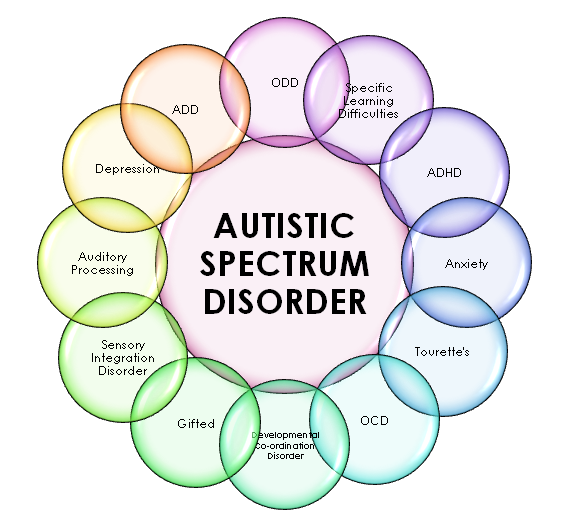
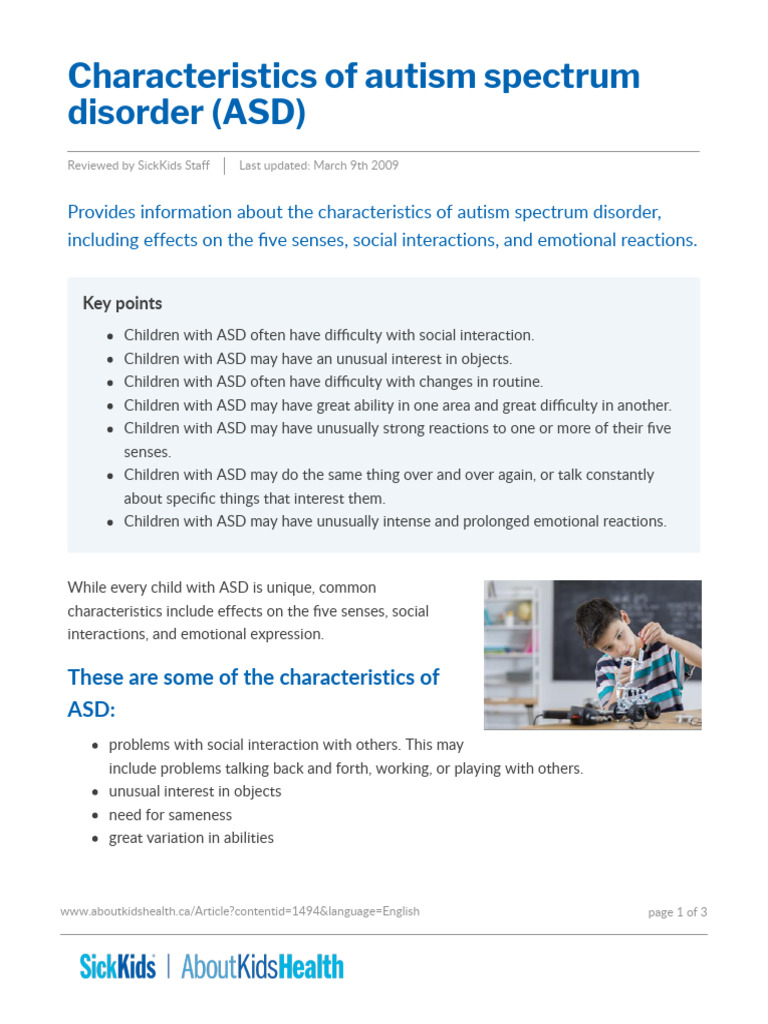
To appreciate the genetic underpinnings of autism, one must first consider its multifaceted nature. Autism is not a singular disorder, but rather a spectrum—an umbrella term encompassing various co-occurring conditions and symptoms ranging from mild to severe. This variability is partly attributable to genetic differences among individuals. While the precise genetic components remain elusive, studies indicate that approximately 40-80% of the risk for developing autism may be heritable, underscoring the importance of genetics in its manifestation.
At the core of autism genetics lies the complex interplay of numerous genes and environmental factors. Research has identified hundreds of genes potentially linked to ASD, yet no single gene has been solely responsible for its onset. Instead, it is the confluence of multiple genetic variations, often referred to as risk alleles, that contribute to the development of autism. This notion leads us to consider: How do these myriad genetic factors interact with the environment to shape the likelihood of autism in any given individual?
One prominent focus of research is on de novo mutations, which occur spontaneously in an individual and are not inherited from parents. These mutations can arise during cell division in the early stages of embryonic development, positing the hypothesis that certain spontaneous genetic alterations can significantly impact neurodevelopmental processes. For instance, a child with a parent of advanced maternal or paternal age may have an increased likelihood of acquiring such mutations. This further complicates the genetic landscape and suggests that parental age may serve as a potential risk factor for autism.
Moreover, researchers have begun to explore the role of copy number variations (CNVs)—structural alterations in the genome where segments of DNA are deleted or duplicated. CNVs have been associated with an increased risk of autism, leading investigators to examine how these genetic anomalies affect brain development and function. Every deletion or duplication has the potential to disrupt gene expression, which could consequently impact neurobiological pathways fundamental to social interactions and communication skills.
Notably, while genetics undeniably influences the risk of autism, it is crucial to recognize the non-genetic environmental factors that also contribute to its development. Factors such as prenatal exposure to teratogens, maternal stress, and nutrition during pregnancy can intersect with genetic predispositions in ways that are not yet fully understood. This raises an intriguing challenge: How can we disentangle the complex web of genetics and environmental influences to gain a clearer understanding of autism?
Diving deeper into genetic studies, researchers frequently utilize twin and family studies to assess the heritability of autism. Identical twins, who share nearly 100% of their genetic material, display a higher concordance rate for autism compared to fraternal twins, reinforcing the notion of a genetic contribution. However, the presence of autism in one twin does not guarantee diagnosis for the other, demonstrating that environmental factors and epigenetics also play critical roles. Epigenetics, the study of how environmental factors can modify gene expression without altering the underlying DNA sequence, adds yet another layer of complexity to autism genetics.
Fanatically, advancements in genomics and biotechnology have ushered in an era of unprecedented exploration into the genetic facets of autism. Techniques such as whole-exome sequencing and genome-wide association studies have illuminated potential genetic pathways and molecular targets for further investigation. These technologies have not only aided researchers in identifying genetic variants associated with autism but have also provided valuable insights into the biological mechanisms at play.
As we endeavor to decode the genetic architecture of autism, ethical considerations arise. Knowledge of genetic predisposition may lead to dilemmas surrounding stigmatization, labeling, and discrimination. Furthermore, the prospect of genetic testing for autism raises questions of privacy, consent, and the potential for parents to make decisions about pregnancies based on the identified risks. How can we balance scientific inquiry with the ethical responsibilities of genetic knowledge?
In conclusion, the interplay of genetics and autism remains a captivating yet challenging area of study. As we unravel the layers of genetic complexity, we find ourselves grappling with profound questions about the nature of human development and identity. What if our understanding of autism can lead not only to improved diagnosis and interventions but also to greater acceptance and support for individuals on the spectrum? By embracing this multifaceted approach, we can foster an informed dialogue that transcends the confines of genetics, embracing the rich tapestry of human experience that shapes the reality of autism.