Autism Spectrum Disorder (ASD) is a complex neurodevelopmental condition characterized by a range of symptoms affecting social interaction, communication, and behavior. Given its multifaceted nature, managing ASD can often be challenging for patients, families, and healthcare providers alike. Among the various treatment modalities, pharmacological approaches hold particular significance. Below is an extensive exploration of the types of pharmacological interventions available for individuals with autism, alongside their implications, benefits, and potential side effects.
1. Understanding Pharmacological Approaches
Pharmacological treatments for autism aim to alleviate specific symptoms associated with the disorder rather than cure it. These medications can help manage challenges such as irritability, hyperactivity, anxiety, and mood instability. It is crucial to understand that medication is typically most effective when used in conjunction with behavioral therapies and educational interventions.
2. Central Nervous System Stimulants
Stimulant medications, primarily used to treat Attention Deficit Hyperactivity Disorder (ADHD), are sometimes beneficial for individuals with autism who demonstrate significant hyperactivity and impulsivity. Drugs such as methylphenidate (Ritalin) have shown efficacy in improving focus and reducing disruptive behaviors. However, these medications may not be suitable for all individuals, and monitoring for side effects like insomnia and decreased appetite is essential.
3. Atypical Antipsychotics
Atypical antipsychotics represent another pharmacological stratum, utilized primarily to manage severe behavioral issues such as aggression and self-injurious behaviors. Medications like risperidone and aripiprazole have received approval for use in children and adolescents with ASD. Clinical trials have evidenced their capacity to decrease irritability and enhance social skills among the affected population. Nonetheless, the side effects—including weight gain, metabolic syndrome, and sedation—necessitate careful consideration and ongoing surveillance.
4. Selective Serotonin Reuptake Inhibitors (SSRIs)
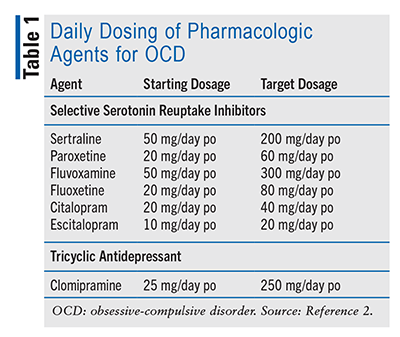
SSRIs, commonly prescribed for anxiety and depressive disorders, have also been investigated in individuals with autism. Medications such as fluoxetine (Prozac) and sertraline (Zoloft) aim to alleviate symptoms of anxiety and obsessive-compulsive behaviors, which are prevalent among this population. While some studies indicate a reduction in anxiety levels, practitioners must remain vigilant regarding potential side effects, including gastrointestinal disturbances and increased agitation in certain cases.
5. Alpha-2 Adrenergic Agonists
Alpha-2 adrenergic agonists like guanfacine and clonidine are emerging as promising candidates for managing symptoms of autism. These medications can assist in reducing hyperactivity, impulsivity, and anxiety. They work by modulating neurotransmitter release, thereby promoting a calming effect on the nervous system. However, they may also induce side effects such as sedation and hypotension, warranting thorough assessment prior to initiation.
6. Mood Stabilizers
For individuals exhibiting mood dysregulation and aggression, mood stabilizers such as lithium and divalproex sodium may be prescribed. These agents aim to stabilize mood fluctuations and mitigate impulsive actions. Although they might offer therapeutic benefits, it is pivotal to monitor for potential renal and thyroid complications associated with long-term use. Individualized dosing becomes paramount to ensure efficacy while minimizing adverse events.
7. Omega-3 Fatty Acids
Emerging research highlights the potential benefits of omega-3 fatty acids in the management of autism symptoms. While not conventional pharmacological agents, they are gaining traction as complementary therapeutic options. Omega-3s may enhance neurodevelopmental outcomes by promoting healthier brain function and reducing inflammation. Nonetheless, clinicians should advise families to pursue this avenue in concert with, rather than as a replacement for, established treatment methods.
8. Integrative and Alternative Therapies
Complementary and alternative therapies have garnered attention for their potential role in augmenting traditional pharmacological treatments. Some families may pursue herbal supplements, dietary modifications, or homeopathic remedies. Parents often report anecdotal benefits; however, scientific validation remains lacking. Caution is advised, as unregulated supplements may interact negatively with prescribed medications, posing risks to the patient’s health. Close consultation with healthcare professionals is essential.
9. Considerations for Pharmacological Decision-Making
When considering pharmacological interventions for autism, several factors warrant deliberation. The interdisciplinary healthcare team must evaluate the patient’s unique symptom profile, history, and concurrent medical issues. Additionally, informed consent and family involvement play significant roles in the decision-making process. It is critical for caregivers to understand the potential benefits and risks associated with each medication, empowering them to make choices aligned with their child’s best interests.
10. The Future of Pharmacological Treatments
As research in autism continues to evolve, the landscape of pharmacological treatment will likely undergo substantial changes. Investigating novel compounds and their mechanisms of action holds promise for enhancing therapeutic outcomes for individuals with autism. Future studies may unveil targeted therapies that address the distinct neurobiological underpinnings of autism, thus offering hope for more effective and personalized interventions.
In conclusion, pharmacological approaches provide essential avenues for managing autism symptoms. While they can yield significant benefits, a nuanced understanding of each medication’s implications is vital in optimizing care. A collaborative approach involving healthcare providers, families, and individuals affected by autism can facilitate informed treatment decisions, ultimately leading to improved quality of life and enhanced functional outcomes.