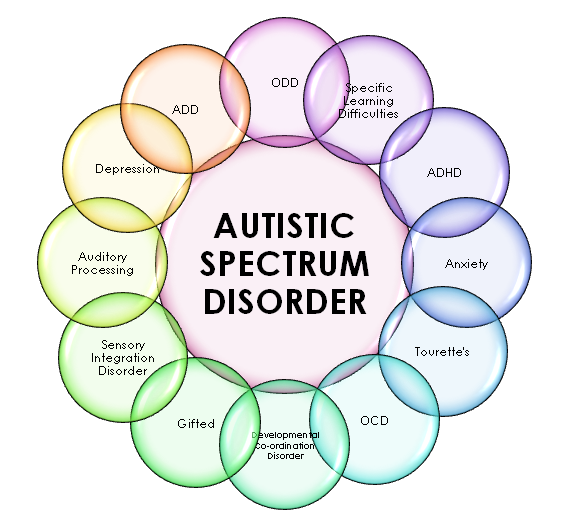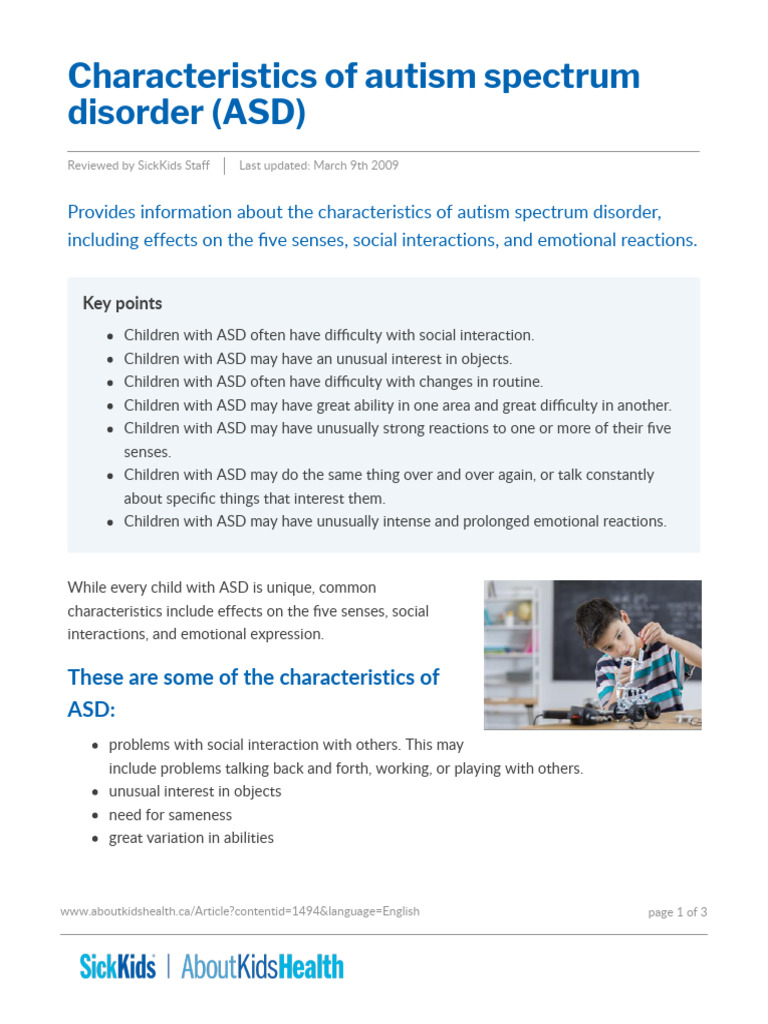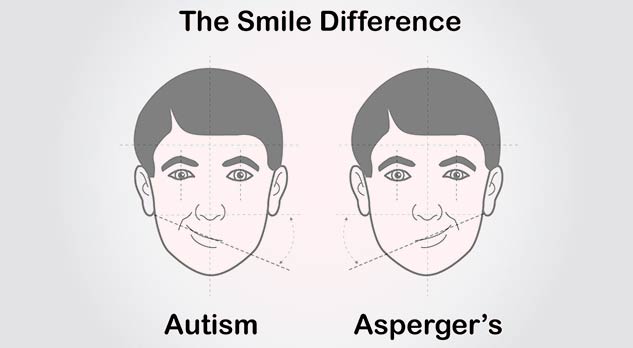
Autism spectrum disorder (ASD) is a complex neurodevelopmental condition that presents a unique tapestry of strengths and challenges. As awareness of autism continues to burgeon, policy developments relating to disability rights have become particularly salient. In this article, we will delve into the significant strides taken in autism policy, the underlying philosophies that guide these initiatives, the implications for individuals with autism, and the broader societal changes that accompany these developments.
Across the globe, policy improvements aimed at fostering inclusivity for individuals with autism have gained traction, especially in the realms of education, healthcare, and employment. Traditional models often focused predominantly on the deficits associated with autism, whereas contemporary policy frameworks advocate for a strengths-based approach. This paradigm shift emphasizes the inherent capabilities of individuals on the spectrum, thereby enhancing their quality of life.
One of the foremost advancements in autism policy is the emphasis on inclusive education. Legislative frameworks, such as the Individuals with Disabilities Education Act (IDEA) in the United States, have been pivotal in enshrining the right to a free and appropriate public education for students with ASD. The evolution of these educational policies recognizes the need for individualized educational plans (IEPs), which cater to the unique needs and learning styles of each student. This is a significant development, as it promotes greater access to educational resources and encourages an accommodating learning environment.
Furthermore, policies focusing on early intervention have transformed the landscape of autism diagnosis and treatment. Early diagnosis can lead to timely support and intervention, enhancing developmental outcomes. Initiatives such as screening programs in pediatric care aim to identify developmental delays at a young age, ensuring that children receive the necessary support. These pro-active measures serve to dismantle previous barriers to access and provide families with the tools they need to advocate effectively for their children’s needs.
The intersection of autism policy and healthcare cannot be overlooked. As the discourse around mental health has shifted, there has been a concurrent recognition of the distinct healthcare needs of individuals with autism. Policies now prioritize the integration of mental health services into primary care settings. This holistic approach not only addresses the psychological challenges faced by many individuals with ASD but also facilitates better health outcomes by ensuring that patients are treated as whole persons rather than focusing solely on their diagnosis.
Employment policies have experienced a progressive overhaul, reflecting a shift in societal attitudes toward neurodiversity and inclusion. Employers are increasingly recognizing the value of employing neurodiverse individuals. Innovative programs that focus on training and mentorship have emerged, facilitating pathways to employment for adults with autism. Many organizations are adopting inclusive hiring practices and creating supportive work environments that leverage the unique skills and perspectives that neurodiverse individuals can offer.
Legislation advocating for disability rights has also made significant headway in protecting individuals on the autism spectrum from discrimination. The Americans with Disabilities Act (ADA), for instance, mandates accommodations for individuals with disabilities, including autism, in various settings—such as public transportation and the workplace. The implementation of such laws has empowered individuals to assert their rights and pursue their aspirations without the omnipresent shadow of discrimination.
Community engagement is another pivotal aspect of the evolving autism policy landscape. Grassroots organizations and advocacy groups play a vital role in shaping public policy through education and awareness campaigns. These entities often serve as the voice of individuals with autism, pushing for widespread societal change. They facilitate a better understanding of autism in the workforce, schools, and public spaces, fostering an environment that values diversity and inclusion.
Moreover, technological advancements present new opportunities for enhancing the lives of individuals with autism. Policies that support the integration of assistive technologies into everyday life can improve communication skills, promote independence, and provide invaluable resources for educational and occupational success. From communication devices to innovative learning software, technology stands at the forefront of ensuring that individuals with autism can thrive in an increasingly digital world.
However, while progress has been made, challenges persist. The inconsistency of policy implementation across regions and institutions can lead to disparities in access to resources and services. Rural areas, in particular, often face additional barriers. Advocacy for equitable access to quality services must remain a priority to ensure that all individuals, regardless of geographical location, can benefit from the advancements in autism policy.
In conclusion, the evolution of policies surrounding autism and disability rights is indicative of a broader societal shift toward recognizing the dignity and potential of individuals with autism. By emphasizing strengths, advocating for inclusivity, and dismantling systemic barriers, these policies enhance the lives of individuals on the spectrum. As we move forward, ongoing advocacy, innovation, and collaboration will be crucial in creating a more equitable world, where individuals with autism can flourish, contribute, and be fully integrated into society.