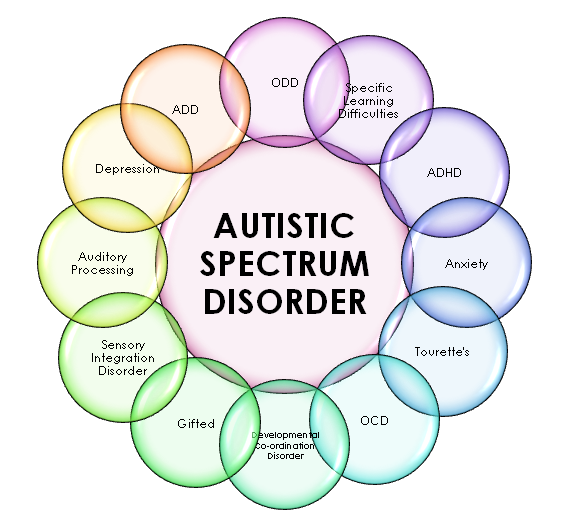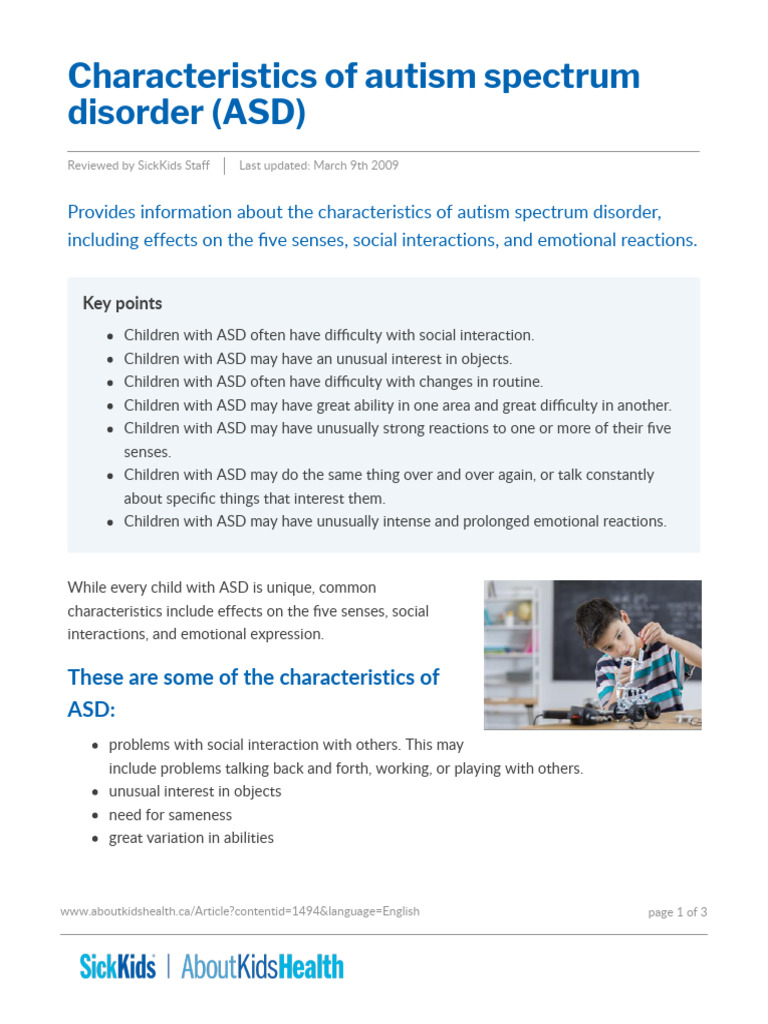
Autism Spectrum Disorder (ASD) is a multifaceted neurodevelopmental condition that evokes considerable intrigue and curiosity, particularly regarding the social and cognitive profiles of individuals affected by it. This complexity highlights both the challenges and unique perspectives that those on the spectrum often navigate. This article delves into the social and cognitive aspects of autism, elucidating the nuances that contribute to our understanding of this condition while addressing the common observations surrounding it.
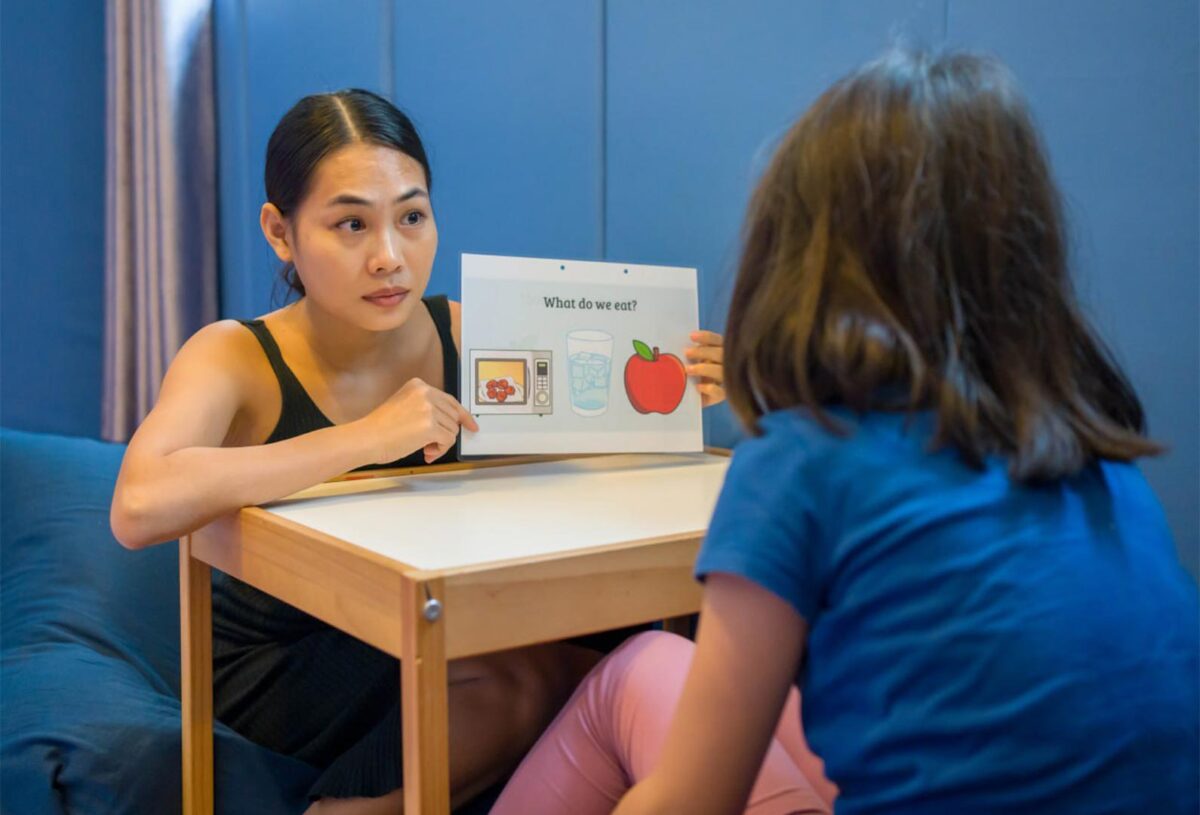
The social profile of individuals with autism is often characterized by a distinctive approach to interaction and communication. Many individuals on the spectrum demonstrate a propensity for limited eye contact, which can sometimes be misinterpreted as disinterest or aloofness; however, it may rather be a function of neurological processing differences. These individuals may engage with their environment and with others in ways that differ notably from neurotypical norms. Their style of communication may be more literal, often resulting in difficulties with understanding sarcasm, idiomatic expressions, or the nuances of social cues.
In social situations, individuals on the autism spectrum may experience challenges in reciprocal communication. This means that they might find it difficult to initiate or maintain conversations, leading to a perception of social awkwardness. Despite these challenges, many possess an innate ability to form deep connections with select individuals, often emphasizing quality over quantity in their relationships. It is essential to recognize that a person with autism may have a rich inner world and be profoundly empathetic, albeit their expressions of this empathy might manifest in less conventional ways.
One common observation is the tendency for individuals with autism to exhibit a preference for solitary activities or specific interests that captivate their attention. This passion can range from intricate knowledge of train schedules to an exceptional understanding of complex mathematical theories. Such interests often serve not only as a source of joy but also as a means of self-regulation and comfort. The intense focus can lead to remarkable expertise in particular areas, prompting admiration in others and offering individuals on the spectrum a unique lens through which they view the world.
Cognitively, autism is equally heterogeneous. Many individuals on the spectrum possess average or above-average intelligence, with some demonstrating remarkable skills in areas like mathematics, music, art, and science. These cognitive profiles are often referred to as “splinter skills” or “savant abilities.” While the stereotypical savant is a caricature—an individual with extraordinary capabilities in a narrow field—many on the spectrum show impressive proficiency that defies conventional expectations, especially when engaged in tasks they are passionate about.
However, cognitive processing can also lead to difficulties in executive functioning, which encompasses skills such as planning, flexibility, and organization. Individuals with autism may struggle with transitioning between tasks or managing time, leading to frustration in academic or work environments. This dichotomy in cognitive profiles draws attention to the need for tailored educational and occupational strategies that highlight strengths while accommodating challenges. Understanding cognitive variability illuminates the importance of personalized approaches to education and support services.
Another profound aspect of autism lies in sensory processing differences. Many individuals with autism exhibit heightened or diminished sensitivity to sensory stimuli—this can manifest as discomfort in noisy environments or a profound appreciation for particular textures or sounds. Sensory profiles vary significantly between individuals and can greatly influence daily experiences. For instance, while one individual may find solace in rhythmic music, another may feel overwhelmed and anxious in the same environment. Recognizing and accommodating these sensory needs is crucial in creating supportive spaces that enhance comfort and connectivity.
The social and cognitive profiles of individuals on the autism spectrum compel us to examine deeply ingrained societal perceptions and assumptions. Often, the emphasis on deficits rather than strengths can overshadow the remarkable resilience and adaptive strategies that many individuals develop. It is vital for families, educators, and society at large to cultivate an understanding that celebrates differences rather than stigmatizing them.
Moreover, our fascination with autism can lead to profound insights about the human experience. The intersection of diverse cognitive processing styles illuminates the intricacies of human interactions and the richness of variation within our collective psyche. The patterns of behavior often observed in autism serve as a lens into alternative modes of thinking, highlighting the beauty of neurodiversity. Appreciating this diversity not only benefits individuals with autism but also fosters a more inclusive society that values different perspectives.
Ultimately, addressing the social and cognitive profiles of autism invites us to reframe our thinking about what constitutes intelligence, social aptitude, and emotional expression. The journey toward understanding autism is not merely about identifying deficits or challenges, but rather about embracing the complexity of human individuality. By fostering environments that are inclusive and compassionate, we can celebrate the diverse contributions of individuals on the spectrum, recognizing their unique gifts and perspectives. In doing so, we pave the way for a more harmonious coexistence and richer communal tapestry.