Imagine being in a crowded room filled with chatter and laughter, yet feeling utterly disconnected from the vibrant social tapestry around you. This is the reality for many individuals on the autism spectrum, who often struggle with social skills and peer interaction. As we delve into this intricate subject, we will explore the nature of social skills deficits in autism, the intricacies of peer interactions, and effective strategies for fostering engagement and connection.
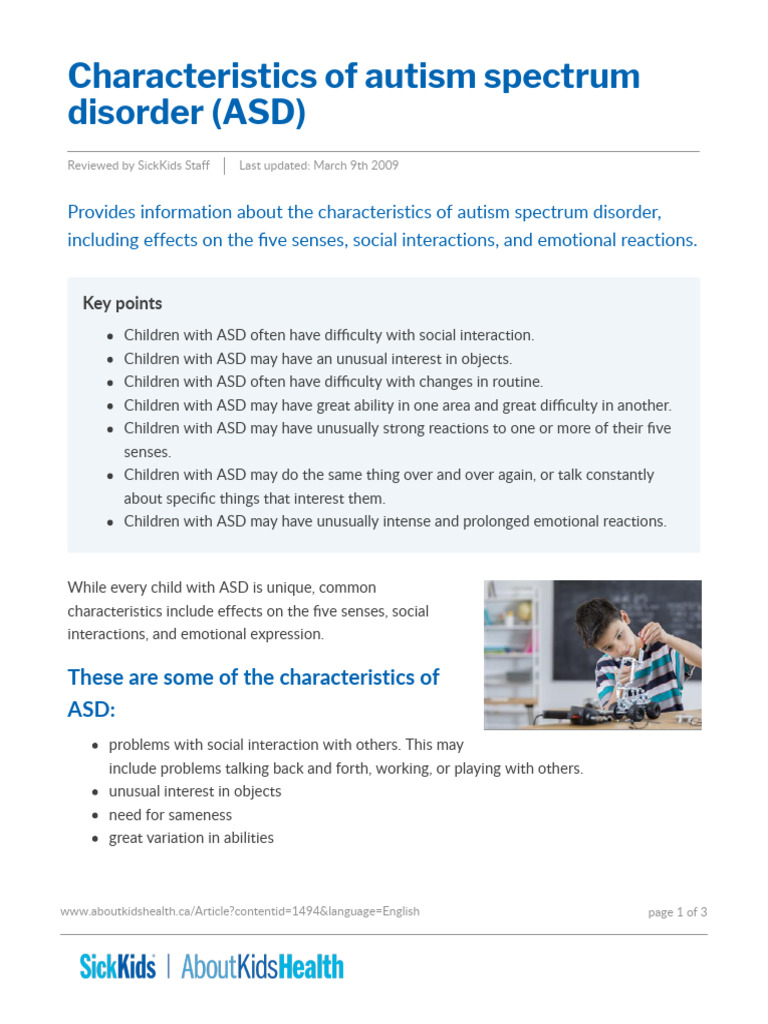
The autism spectrum is characterized by varying degrees of challenges in social communication and interaction. While every individual with autism is unique, certain patterns emerge that can create hurdles in socialization. Children and adults with autism may exhibit atypical social behaviors, such as a diminished ability to interpret nonverbal cues or an inclination to engage in repetitive conversation topics. The playful question arises: How do we bridge the gap between their world and the bustling realm of social interactions that others seem to navigate fluently?
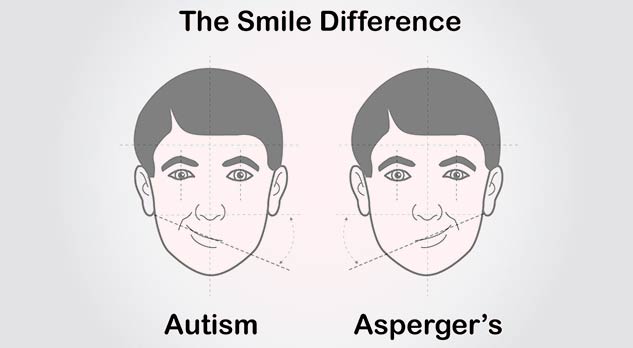
The journey begins with understanding the essential building blocks of social skills. These include the ability to initiate conversations, respond to social cues, and demonstrate empathy. For those on the spectrum, mastering these concepts can feel daunting. Do they recognize a smile as an invitation to engage, or do they perceive it merely as a facial expression? The challenge further complicates when one considers the subtle nuances of friendship dynamics. For instance, how does one parse the intricacies of an implicit social contract whereby friends share interests, mutual support, and emotional understanding?
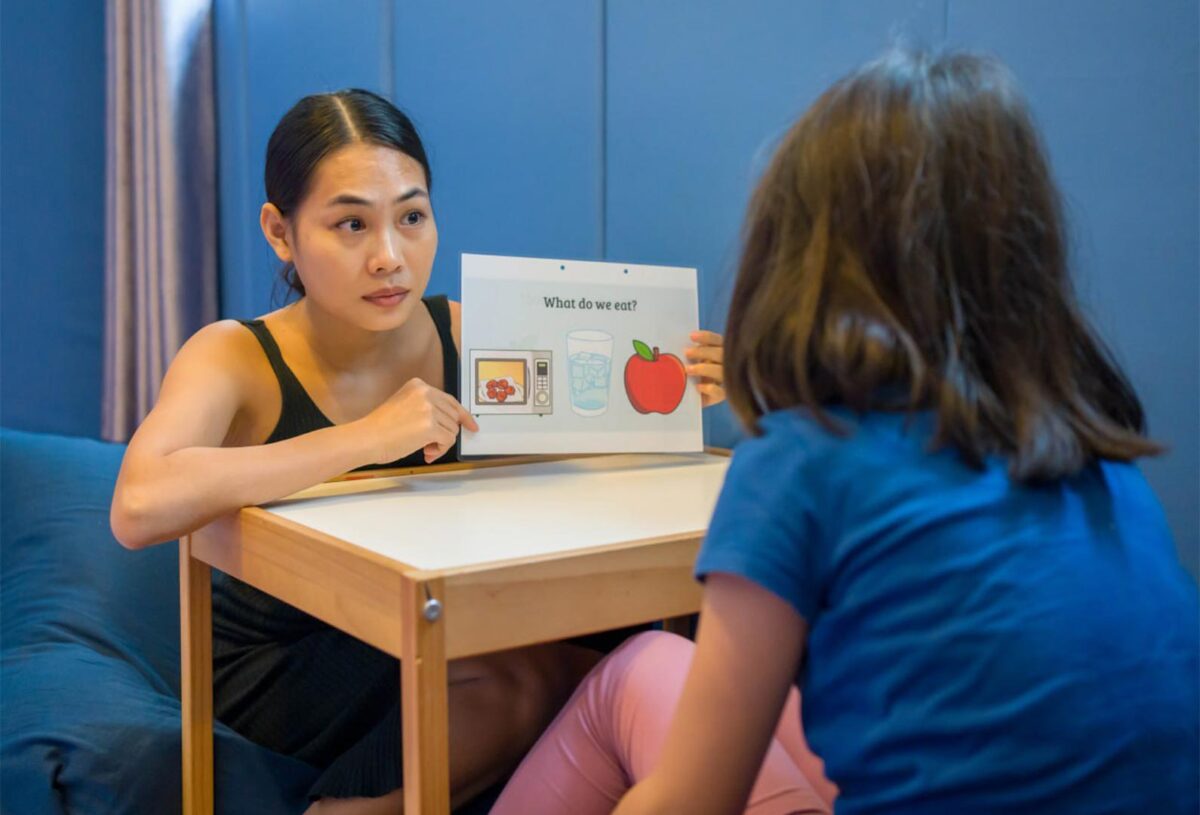
Peer interaction can often feel like navigating a labyrinth, fraught with emotional cues and unwritten social rules. A child with autism might find it challenging to approach a peer, unsure of the appropriate opening line to break the ice. While neurotypical children may effortlessly forge connections through shared experiences or small talk, an autistic child might benefit from explicit guidance on how to initiate a conversation. Role-playing scenarios, either at home or in therapeutic settings, can serve as a powerful tool to practice these skills in a low-pressure environment.
Moreover, it is important to cultivate an understanding of perspective-taking, wherein individuals learn to recognize and appreciate diverse viewpoints and feelings. Perspective-taking goes beyond mere empathy; it involves grasping how one’s actions might be perceived by others. How do we teach this crucial skill to a child who may struggle with recognizing social emotions? By utilizing literature, art, and interactive activities that prompt discussions about feelings and motivations, caregivers can illuminate the path towards improved emotional intelligence.
The digital age has introduced a new dimension to peer interaction, as social media platforms and online communities provide innovative avenues for connection. For many children with autism, online interactions can feel less intimidating than face-to-face encounters. Yet, it is imperative to balance this digital engagement with real-life social experiences. In what ways can technology supplement skill-building in real-world environments? By leveraging apps designed for social skills training, or social stories that depict realistic scenarios, caregivers can help children transition their online interactions into meaningful offline connections.
In schools, social skills programs tailored for children on the autism spectrum can play a pivotal role in fostering peer interactions. Group activities that encourage collaboration are invaluable, allowing children to practice essential skills in a structured environment. Whether it’s through team sports, arts and crafts, or project-based learning, these experiences foster camaraderie and provide opportunities for peer learning. Teachers can facilitate this process by implementing inclusive practices that highlight the strengths of every child, giving all participants — including those with autism — a tangible role within the group.
In addition to structured group settings, creating an environment that promotes acceptance and understanding among peers is essential. Educating neurotypical children about autism helps dismantle misconceptions and creates a culture of empathy. Initiatives such as buddy systems or peer mentorship programs can foster friendships between autistic children and their non-autistic peers, encouraging mutual growth and understanding. How can we create a ripple effect of compassion, where peers are empowered to support one another in this social arena?
The importance of parents and caregivers cannot be overstated in this journey. Active involvement in social skills development can provide children with a secure foundation from which to explore peer interactions. Parents can model social behaviors, encourage open discussions about feelings, and reinforce positive peer interactions by providing constructive feedback. They can also advocate for their child’s needs within school settings, ensuring that support systems are in place to facilitate growth.
As individuals with autism navigate the complexities of social skills and peer interactions, celebrating their triumphs, however small, is paramount. Each step taken towards fostering connections can significantly enhance their social repertoire. Whether it’s exchanging a smile with a classmate or successfully collaborating on a project, these moments of success serve as building blocks for a socially fulfilling life.
In conclusion, the challenge of developing social skills and cultivating peer interactions for those on the autism spectrum is multi-faceted yet surmountable. By employing targeted strategies, embracing technology thoughtfully, and fostering social awareness, we can help create an inclusive environment where individuals with autism can thrive socially. With patience and creativity, we can illuminate the path toward meaningful connections, allowing them not just to navigate the social world but to enrich it. After all, isn’t the ultimate goal to encourage vibrant connections in the broad tapestry of human interaction?