In recent years, the term “neurodiversity” has surged into the lexicon of both scientific discourse and popular culture, challenging previously entrenched perceptions of conditions like autism. This paradigm shift represents a significant evolution in the understanding of cognitive differences. In its essence, neurodiversity posits that variations in the human brain—such as those represented by autism—are not merely disorders to be treated but rather variations to be understood and embraced. This nuanced perspective invites deeper inquiry into the phenomena surrounding autism and the broader spectrum of neurodiversity.
Historically, autism has been seen through a lens of pathology, where symptoms were categorized and treatment methodologies focused on remediation. The traditional model framed autistic individuals predominantly as needing intervention. However, as society has begun to acknowledge the vibrant tapestry of cognitive diversity, the narrative has shifted to highlight the gifts and strengths that often accompany autism. This transformation is not merely academic; it reflects a fundamental reevaluation of how society perceives brain function and identity.
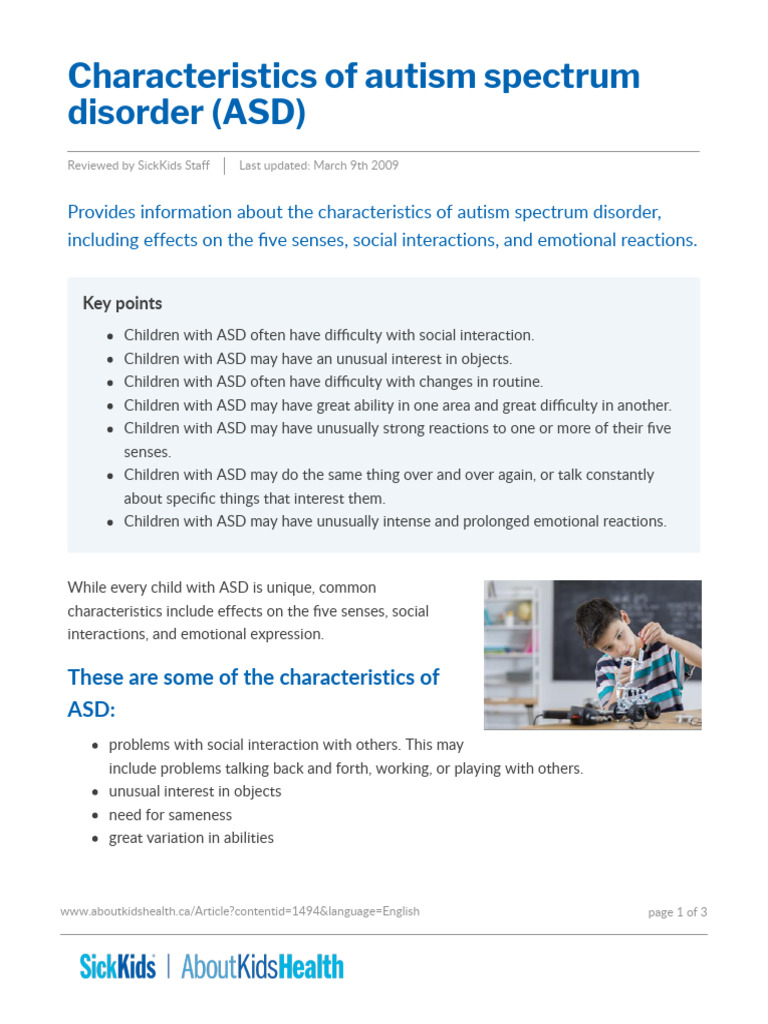
At the heart of this evolving understanding lies recognition of the profound individuality inherent in autism. Autistic individuals manifest a diverse range of skills and traits, which can include intense focus, unique problem-solving capabilities, and often, heightened sensitivities to sensory stimuli. These characteristics call for a deeper appreciation, rather than mere tolerance. The nuanced attributes of autistic cognition challenge stereotypes and stimulate a fascination with the distinct ways in which autistic individuals experience the world.
One common observation regarding autism is the intense interest many autistic individuals exhibit toward particular subjects. Often termed “special interests,” these passions are not simply hobbies—they are portals into deep knowledge and expertise. This striking characteristic has led to revelations across various fields—from technology to art—where autistic individuals have made substantial contributions. By embracing focus and passion, the neurodiversity movement encourages society to reframe these traits as valuable resources rather than deficits.
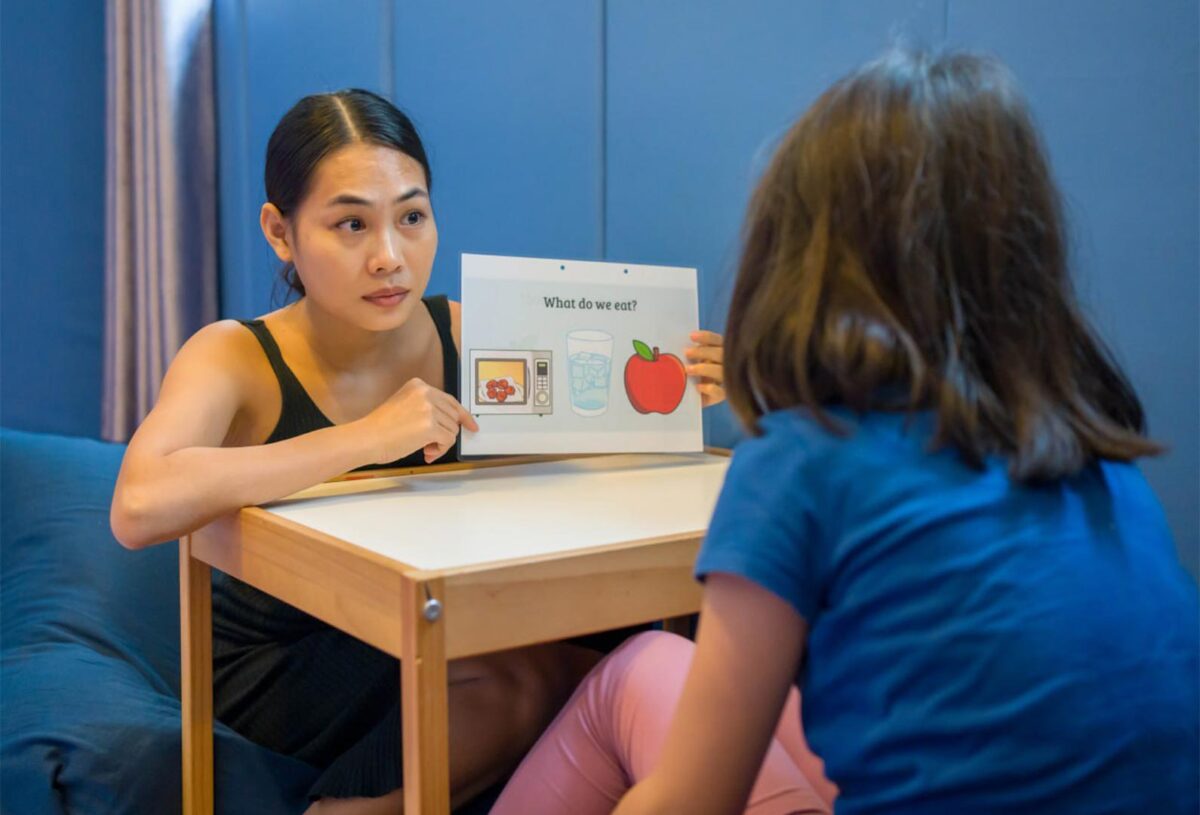
Moreover, it is essential to address the integration of individuals on the spectrum into educational and workplace environments. Traditional settings have often failed to accommodate unique learning styles and sensory needs, contributing to substantial challenges for autistic individuals. Progressive educational frameworks are now being championed, where individualized learning plans cater to diverse cognitive processes, allowing autistic students to thrive based on their unique neural wiring. Similarly, innovative workplaces are beginning to recognize the value of cognitive diversity by fostering environments that enhance the strengths of neurodivergent employees.
The shifting landscape is not without its misconceptions, however. The fascination with autism often inadvertently leads to romanticized notions of the “autistic savant” trope, reinforcing reductive stereotypes rather than a balanced understanding of autism’s complexities. It is important to acknowledge that while some individuals may exhibit prodigious talents, many others navigate day-to-day challenges and may not possess extraordinary skills. Disentangling myth from reality is crucial to fostering a more complete and compassionate understanding of autism.
The exploration of identity within the neurodiversity framework is particularly pertinent. Many autistic individuals seek acceptance not just as individuals on the spectrum but as integral parts of a diverse society. This desire for belonging is mirrored in the rise of autistic advocacy movements that emphasize pride in neurodiversity. Autistic self-advocates succinctly express the sentiment that being autistic is an integral aspect of their identity—an expression of their humanity that deserves acknowledgment and respect.
This exploration of identity also exposes societal desires for conformity and the often rigid definitions of “normalcy.” The fascination with neurodiversity serves as a catalyst for challenging these societal norms, prompting a reevaluation of what it means to be human in a world bursting with neurological variation. By embracing differences, societies not only amplify the voices of autistic individuals but also enrich their cultural fabric through diversity of thought and experience.
Furthermore, the rise of technology has played an influential role in advancing the conversation surrounding autism and neurodiversity. Through the internet and social media platforms, autistic individuals find communities that empower their voices, fostering a sense of solidarity and shared experiences. These digital spaces often serve as invaluable resources for education, advocacy, and connection, as well as platforms for challenging outdated narratives surrounding autism.
Contemporary research into autism also reinforces the necessity for a multidimensional approach to understanding neurodiversity. Advances in neuroscience paint a more intricate picture of how the brains of autistic individuals function differently—insights that can inform both support for those on the spectrum and strategies for bridging communication gaps. This scientific inquiry not only enhances understanding but also emphasizes the importance of collaboration among various disciplines to foster a more inclusive society.
In conclusion, the evolving understanding of neurodiversity—particularly in the context of autism—invites society to explore the rich, multifaceted nature of the human brain. As this understanding deepens, it is essential to embrace the diverse experiences and perspectives of autistic individuals, recognizing their potential contributions to humanity. The journey toward comprehensive acceptance and celebration of neurodiversity reflects a broader movement toward inclusivity, offering a compelling narrative that continues to unfold as society evolves. By fostering curiosity and compassion, we open pathways to a world where all cognitive variations are celebrated, enhancing our collective richness and understanding.