Understanding Autism Spectrum Disorders (ASD) is crucial for fostering empathy, support, and informed perspectives toward individuals on the spectrum. It’s a multifaceted topic that delves into variations, causes, and coping mechanisms, all of which necessitate a nuanced exploration. The term “spectrum” accurately encapsulates the diverse manifestations of autism, from those who need minimal support to individuals who require significant assistance in daily life. This article aims to provide a comprehensive overview of autism, highlighting the various dimensions, challenges, and insights that define this remarkable neurodevelopmental condition.
1. The Spectrum of Autism: A Varied Landscape
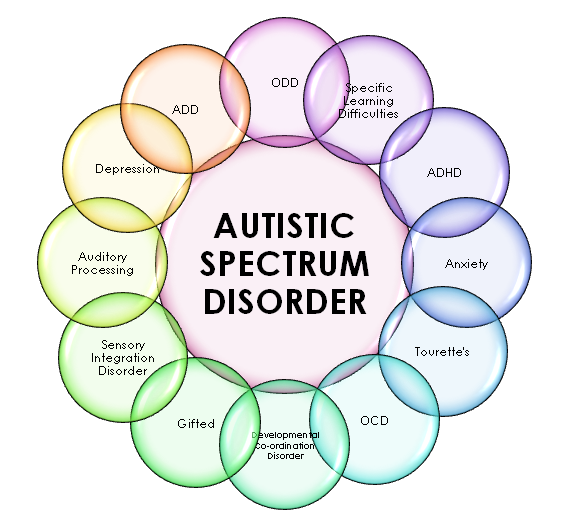
Autism Spectrum Disorder is not a singular condition but rather a constellation of related conditions characterized by distinct challenges in communication, social interaction, and behavior. The term “spectrum” reflects the broad variation in symptoms, abilities, and supports needed. The Centers for Disease Control and Prevention (CDC) recognizes several distinct types of ASD, each presenting unique traits. These include:
- Autistic Disorder: This is characterized by significant language delays, social challenges, and unusual behaviors. It is often what people envision when they think of autism.
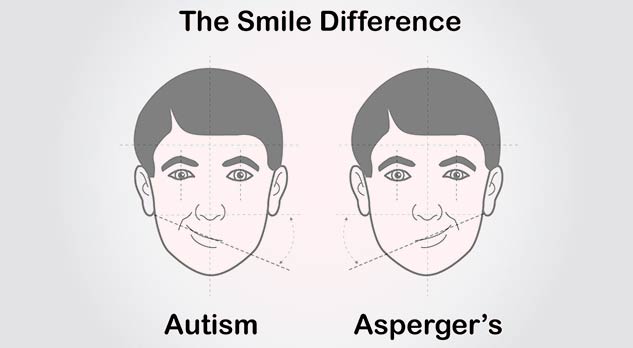
- Asperger’s Syndrome: Individuals with Asperger’s have milder symptoms and typically possess average or above-average intelligence. They may struggle with social interactions but do not exhibit significant language delays.
- Pervasive Developmental Disorder – Not Otherwise Specified (PDD-NOS): This diagnosis applies when some autism-related symptoms are present but do not fit the criteria of full-blown autism.
- Childhood Disintegrative Disorder: A rare condition where a child develops normally for several years and then experiences a significant loss of social, communication, and motor skills.
This intricate tapestry illustrates the complexity of diagnosing and understanding autism and underscores the necessity for personalized approaches to treatment and support.
2. Early Signs and Symptoms: Recognizing the Indicators
Identifying autism early can significantly affect the efficacy of interventions and support systems. Early signs often appear in the developmental milestones of a child. Some indicators that may prompt a concern include:
- Delayed Speech: A child may have a limited vocabulary or struggle to form sentences compared to peers.
- Social Withdrawal: An evident reluctance to engage in interactive play or a lack of interest in forming relationships with others.
- Repetitive Behaviors: Engaging in the same play activities or rituals consistently, which may appear as rituals or routines.
- Sensitivity to Sensory Input: An unusual reaction to sensory stimuli; this might manifest as a strong aversion to loud noises or particular textures.
Awareness among parents and caregivers regarding these signs can facilitate early assessment and intervention, changing the trajectory of a child’s development significantly.
3. The Science Behind Autism: Causes and Risk Factors
The etiology of autism remains an active area of research. While the exact cause is still unknown, a combination of genetic and environmental factors is believed to contribute. Some compelling insights into possible risk factors include:
- Genetic Predisposition: Children with a family history of autism may be at increased risk. Research indicates that multiple genes may contribute to the autism phenotype.
- Environmental Influences: Prenatal exposure to certain medications, maternal infections during pregnancy, and exposure to pollutants have been examined as potential risk factors.
- Neurological Differences: Variations in brain development and functioning, including atypical connectivity and growth patterns, have been observed in many individuals with ASD.
While myths persist regarding vaccines causing autism, extensive studies have debunked this connection. It is crucial to rely on credible sources for understanding the disorder’s complexities.
4. Coping Strategies and Therapeutic Interventions
Effective treatment for autism is often multifaceted and tailored to the unique needs of the individual. Early intervention strategies can yield substantial improvements in communication and social skills. Considerations include:
- Behavioral Therapy: Applied Behavior Analysis (ABA) is a common therapeutic approach that uses reinforcement techniques to promote positive behavior and reduce undesirable behaviors.
- Speech and Language Therapy: This can assist individuals in improving their communication skills, which is often a significant area of difficulty.
- Occupational Therapy: Aimed at enhancing daily living skills and sensory integration, this therapy is vital for promoting independence.
- Social Skills Training: Programs designed to help individuals develop interpersonal skills that enhance social interactions and relationships.
Support for families is equally important, as caregivers and loved ones benefit from resources and coping strategies to navigate the challenges associated with raising a child with autism.
5. The Importance of Community Understanding: Stigma and Awareness
Societal perceptions of autism significantly impact individuals and their families. Misunderstandings and stereotypes can perpetuate stigma, creating barriers to inclusion and support. Promoting awareness through education can help dismantle these misconceptions. Community initiatives, workshops, and inclusive practices in schools and workplaces foster an atmosphere of empathy and support. Advocacy groups play a pivotal role in championing autism acceptance and support, ensuring that voices of those on the spectrum are heard.
Conclusion: The journey toward understanding Autism Spectrum Disorders is ongoing, requiring commitment from individuals, families, and society as a whole. By fostering awareness, facilitating early intervention, and advocating for comprehensive support, we can create a more inclusive world that values all individuals, irrespective of neurological differences.