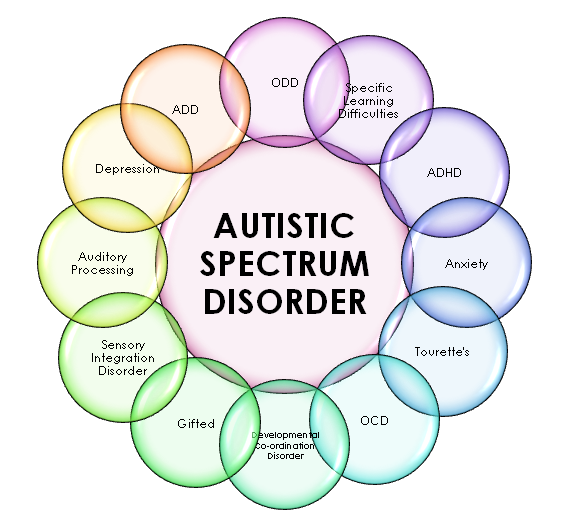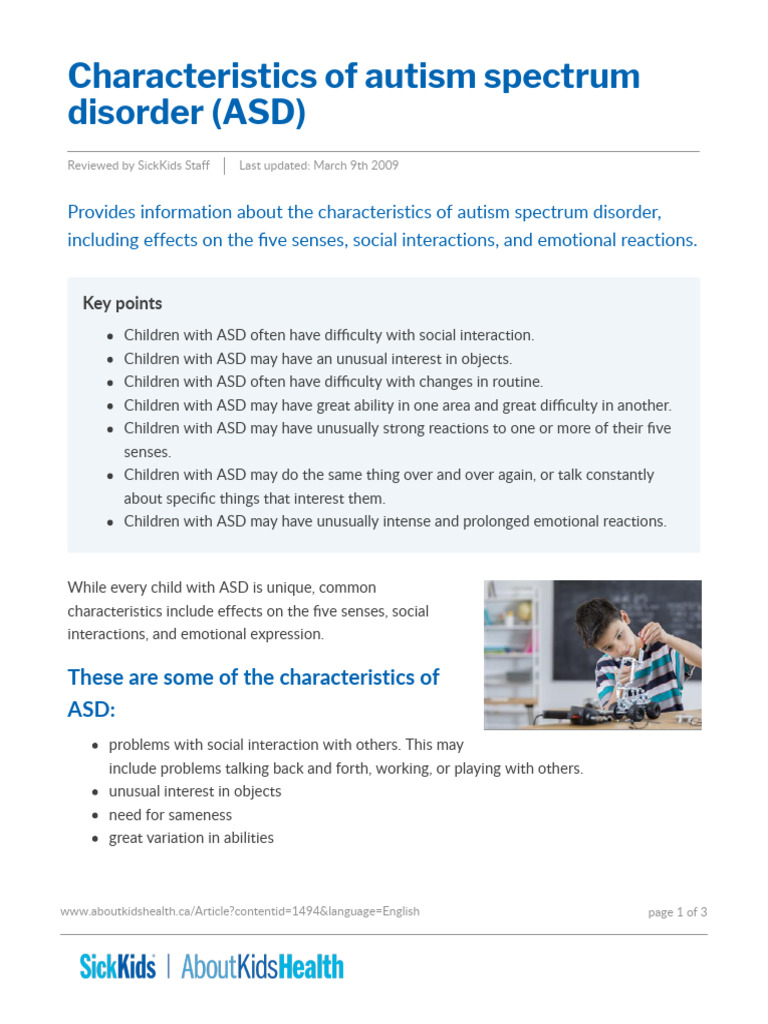
Autism, clinically known as Autism Spectrum Disorder (ASD), is a complex neurodevelopmental condition characterized by a myriad of challenges in social interaction, communication, and behavior. Despite the nuances of the disorder, one common observation often resonates with both experts and laypersons alike: individuals with autism perceive and interact with the world through a unique lens. This intrinsic variability evokes fascination, prompting a deeper exploration into the nature of autism itself.
The spectrum nature of autism encompasses a wide range of presentations; some individuals exhibit profound challenges while others display remarkable abilities. It is vital to recognize that autism is not a single entity but rather a collection of diverse conditions sharing common features. This complexity contributes to an enduring intrigue surrounding the subject, as each individual’s experience can offer insights into the human mind and its intricate workings.
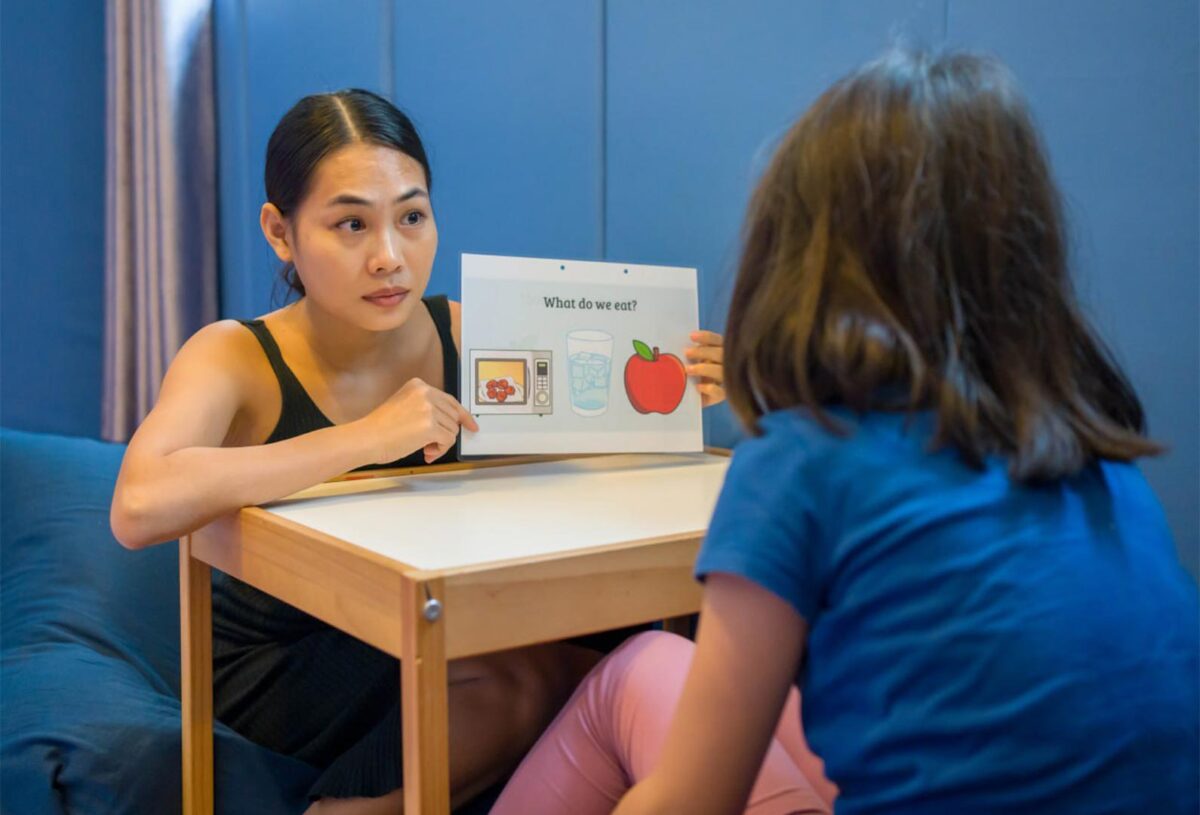
At its core, autism manifests in atypical patterns of development. Notably, children with autism may show delays or deviations in verbal communication, often struggling to grasp the nuances of language. The inability to interpret idiomatic expressions or sarcasm can create a daunting barrier in social situations, making interactions appear stilted or awkward. This peculiarity leads many to speculate on the underlying cognitive processes at play. Do individuals with autism possess a different kind of intelligence that influences their social cognition? Such questions fuel ongoing research and stimulate public dialogue.
Social interaction represents another critical facet of the autism spectrum. Many individuals exhibit an inclination to engage differently with others. While some may thrive on solitary interests, others may seek connection yet find themselves overwhelmed by the demands of reciprocal communication. This variability reveals a fundamental truth: social skills are not a universal trait but rather a learned ability that can vary significantly among individuals. Understanding the cognitive underpinnings of these differences can unlock pathways to improved social engagement strategies, thereby enhancing the quality of life for those on the spectrum.
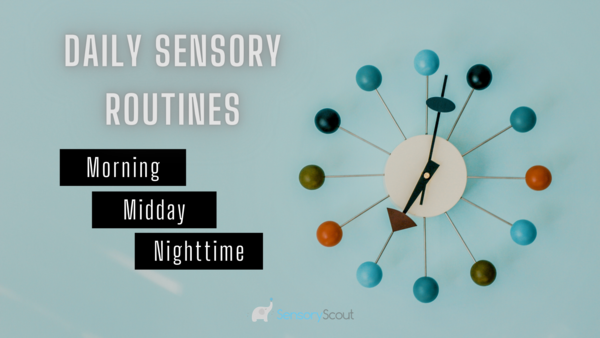
Behaviorally speaking, autism often involves repetitive actions or restricted interests. These behaviors can manifest in various forms, from hand-flapping to intense focus on a particular subject. At first glance, these actions may seem puzzling; however, they may serve as coping mechanisms to create a sense of predictability in an unpredictable world. The intricacies of sensory processing often amplify this need for routine. Those with autism frequently exhibit heightened sensitivities to sensory stimuli such as sound, light, and texture, leading them to seek solace in repetitive behaviors that reduce anxiety. This aspect of autism entices researchers to delve into sensory integration therapy, paving the way for more responsive interventions that cater to individual sensory profiles.
As we endeavor to comprehend autism, it becomes essential to confront the societal perceptions that often accompany the diagnosis. Misconceptions and stereotypes pervade public consciousness, engendering barriers to acceptance and inclusion. The fascination with autism must, therefore, be coupled with a commitment to dispel myths that paint individuals as solely deficient or incapable. In truth, individuals on the spectrum frequently possess extraordinary talents and perspectives that they bring to society.
One intriguing aspect of autism is the phenomenon known as “savant syndrome,” where individuals exhibit profound abilities in specific domains, such as mathematics, art, or music. These extraordinary skills often coexist with significant challenges, highlighting a multifaceted nature that defies simplistic categorizations. By studying the lived experiences of these individuals, a deeper understanding of varying cognitive profiles emerges, sparking interest in the contributions that neurodiverse individuals can make to society.
Culturally, autism’s portrayal in media and literature often oscillates between dramatization and inspiration, further complicating societal attitudes. Films and books that sensationalize the condition can perpetuate stigma, however, those that portray authentically rich and varied experiences can foster empathy and understanding. It is through the lens of narrative that many find the opportunity to engage with autism on a human level, recognizing the shared experiences of joy, struggle, and resilience.
The quest for understanding autism doesn’t end at the individual; it calls for a societal response that champions inclusivity. Educational institutions, workplaces, and community organizations play pivotal roles in fostering environments that both accept and celebrate neurodiversity. By equipping educators, employers, and peers with tools to appreciate the strengths associated with autism, society can transform spaces that are traditionally exclusionary into ones that promote collaboration and connection. Such initiatives are pivotal in reducing isolation and creating a more comprehensive landscape that values all forms of cognitive diversity.
In conclusion, autism invites a rich tapestry of inquiry, reflection, and compassion. It is not merely a diagnostic label but a multifaceted experience that evokes fascination for myriad reasons—scientific exploration, narratives of human connection, and the ethical imperative of fostering inclusivity. As our understanding deepens, so too must our commitment to creating a world where everyone, regardless of neurodevelopmental differences, can thrive. It is this ongoing dialogue and engagement that will ultimately enrich our collective understanding and appreciation of the autistic experience.