Understanding autism spectrum disorder (ASD) presents a myriad of complexities. It affects individuals uniquely, necessitating nuanced approaches to research and intervention. While significant strides have been made in understanding autism, a closer examination of the challenges and limitations inherent in autism research reveals a landscape fraught with hurdles yet ripe with the potential for future breakthroughs.
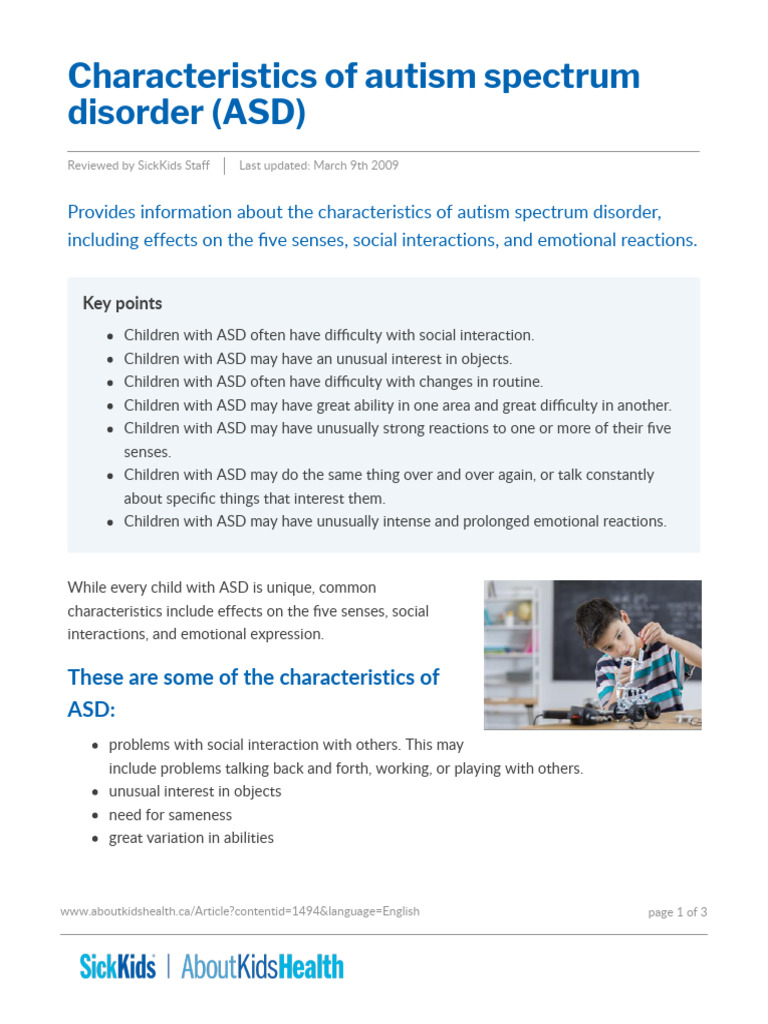
At the forefront of research challenges lies the heterogeneity of autism. The spectrum encompasses a wide range of symptoms, behaviors, and capabilities, resulting in varied diagnostic criteria and interpretations. Traditional paradigms often fall short in capturing the full diversity of the population. As a result, researchers grapple with defining what constitutes “autism.” This definitional ambiguity complicates both epidemiological studies and clinical trials, where participants may exhibit drastically different traits and challenges.
Another significant hurdle is the reliance on heavily subjective measures in assessing developmental milestones and behavioral symptoms. Standardized assessments, while helpful, often fail to encompass the nuanced presentations of autistic individuals. By leaning too heavily on quantifiable metrics, researchers may overlook crucial qualitative insights into the lived experiences of those on the spectrum. This limitation not only affects our understanding but also impacts treatment modalities that might be tailored more effectively to individual needs.
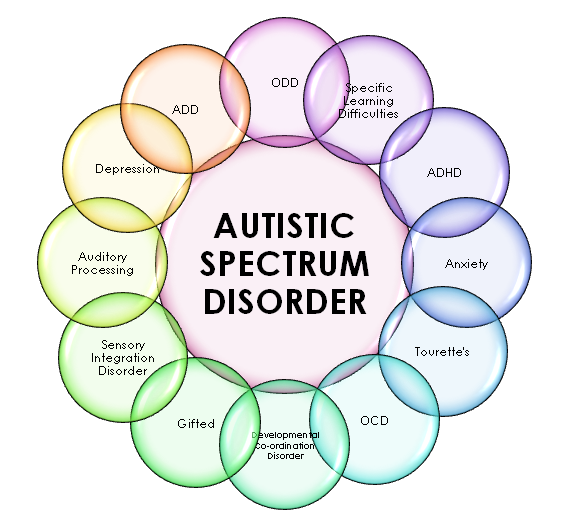
Furthermore, the prevalence of comorbid conditions complicates the clinical landscape. A sizable fraction of individuals with autism also experience mental health issues, such as anxiety, depression, or obsessive-compulsive disorder, along with learning disabilities. This overlap can obfuscate the symptoms attributable specifically to autism, making it challenging to discern appropriate interventions and treatments. The categorization of these comorbidities often remains ambiguous, leading to a convoluted picture that further hinders research progress.
Funding also presents a formidable barrier to comprehensively addressing the multifaceted nature of autism. Many studies are often supported primarily by grants focused on specific symptoms or co-occurring disorders rather than a holistic view of the individual. This narrower funding focus may stymie innovative research that requires an interdisciplinary approach. As a consequence, potential breakthroughs in the understanding of underlying neurological mechanisms often remain unexplored.
In addition to funding constraints, the methodologies employed in autism research are inherently fraught with limitations. Many studies rely on retrospective data-analysis or small sample sizes that do not capture the broader spectrum of autism. This methodological narrowness skews results and discourages reliance on findings from diverse, larger-scaled studies. Consequently, the replication crisis that has been identified in psychology and other fields casts a shadow over autism research, heightening skepticism towards certain findings.
Moreover, ethical dilemmas often arise concerning research on vulnerable populations, particularly in studies involving children with autism. Informed consent and assent procedures must be meticulously crafted to ensure that parents and participants are fully aware of the implications. When research is predicated on invasive procedures or pharmacological interventions, ethical concerns can engender distrust within communities that have historically been marginalized, leading to decreased participation rates in studies.
Despite these multifarious challenges, the trajectory of autism research is not without promise. In recent years, innovative technologies such as neuroimaging and genetic studies have begun to illuminate the biological underpinnings of ASD. High-resolution brain imaging has unveiled differences in brain structure among individuals with autism, potentially advancing our understanding of neurodevelopmental pathways. Additionally, genetic studies are mapping the heritability of autism, offering profound insights into its etiology.
Moreover, advances in artificial intelligence and machine learning are revolutionizing research methodologies. By analyzing vast datasets, machine learning algorithms can identify patterns and correlations that elude conventional analysis. This technological approach holds the potential to redefine our understanding of autism and enhance diagnostic criteria, allowing for more personalized interventions that resonate with individual experiences.
The qualitative input of autistic individuals and their families is gaining increasing prominence in research discourse. Approaches that prioritize lived experiences and first-person narratives are emerging, providing a richer tapestry of understanding. By fostering a collaborative dialogue among researchers, practitioners, and the autistic community, a broader shared knowledge base can be cultivated, which is essential for informing future research.
Additionally, the integration of interdisciplinary frameworks is set to enhance the understanding of autism. Incorporating insights from psychology, neuroscience, education, and sociology can yield a more holistic picture of the experiences of autistic individuals. This multifaceted approach underscores the importance of collaboration across diverse fields, ultimately leading to the development of comprehensive strategies that better accommodate the complexities of autism.
In conclusion, while the challenges and limitations inherent in autism research are formidable, they are not insurmountable. The landscape is evolving, illuminated by innovative technologies and a commitment to embracing diverse perspectives. Emphasizing the collaboration between researchers, practitioners, and the individuals on the spectrum promises to bridge gaps in knowledge and pave the way for groundbreaking discoveries. With each step forward, we edge closer to a nuanced understanding of autism, ultimately fostering a world that is more inclusive and informed.