Could it be that everything we think we know about autism is merely a tapestry woven from misconceptions and half-truths? This question beckons us to delve deeper, challenging the preconceived notions that have long obscured the true essence of autism. The journey to untangle myth from reality is laden with complexity and demands intellectual rigor. Only by confronting these enigmatic layers can we hope to foster genuine understanding and acceptance.
Unraveling the Definition: What Exactly Is Autism?
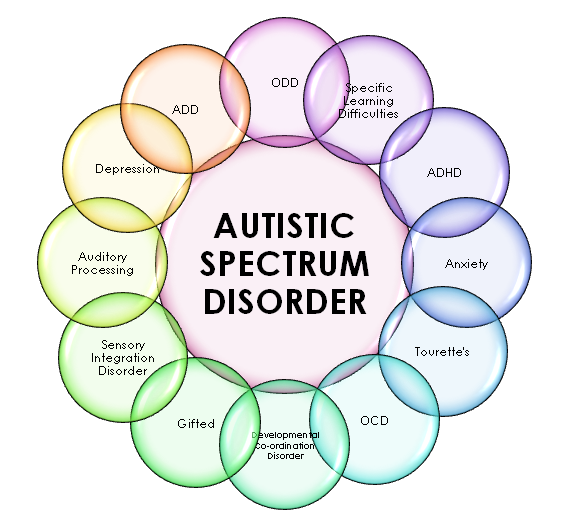
Autism Spectrum Disorder (ASD) is often misunderstood, frequently reduced to simplistic stereotypes that do little justice to its multifaceted nature. At its core, autism is a neurodevelopmental condition characterized by variations in social interaction, communication, and behavior. Yet, it is not a monolith. Instead, it manifests along a broad spectrum, encapsulating diverse experiences and abilities. This variability defies easy categorization, which is why it persists as a source of confusion.
Contrary to popular belief, autism is neither a disease nor a deficiency. It is a distinct neurotype—an alternative cognitive wiring that shapes perception and interaction with the world in unique ways. Embracing this framework dissolves the stigma and prompts a shift from trying to “fix” autism to celebrating neurological diversity.
The Perpetuation of Myths: Origins and Impact
So, where did the popular misconceptions about autism emerge? Historically, misinformation has stemmed from a blend of cultural fears, scientific missteps, and sensationalized media portrayals. One enduring myth, for instance, is that autism is caused by poor parenting. This fallacy, entrenched in the “refrigerator mother” theory, has been completely debunked but sadly still echoes in some narratives.
Another pernicious myth is that individuals with autism lack empathy or emotional depth. In reality, many experience emotions intensely but struggle with conventional modes of expressing them. These pervasive fallacies not only misinform but also marginalize, creating barriers in education, employment, and social integration.
Communication: The Lingua Franca of Autism
Communication differences are often cited as hallmarks of autism, but what does this entail beyond surface impressions? Many autistic individuals communicate effectively, using spoken language, alternative and augmentative communication (AAC), or even nonverbal cues that are rich with meaning. The challenge lies not in the absence of communication but in the mismatch between autistic and neurotypical modes of interaction.
Misinterpretation of these variations often results in frustration on both sides, feeding into the erroneous belief that autistic people are unresponsive or aloof. Understanding these nuanced communication styles is crucial. It demands patience and a willingness to learn different conversational rhythms.
Autism and Intelligence: Dispelling the “Savant” Stereotype
Hollywood and popular media have spotlighted autistic savants—individuals exhibiting extraordinary talents in specific areas such as mathematics or music. While such talents exist, they are not representative of the autism spectrum at large.
Autism spans all intellectual capacities, from profound impairment to superior intelligence. This spectrum diversity is often glossed over, creating unrealistic expectations or, conversely, underestimations of capability. Recognizing this heterogeneity is vital for appropriate support and opportunities.
Sensory Perception: A World Experienced Differently
One of the most overlooked facets of autism is sensory processing. Autistic individuals may be hypersensitive or hyposensitive to sensory stimuli—sounds, lights, textures, and smells—experiencing the environment in ways most people cannot fathom. For example, a simple fluorescent light buzzing steadily overhead can be an unbearable distraction or cause great discomfort.
This divergence in sensory processing often compounds social and behavioral challenges. Yet, it also provides a window into the richness of autistic experience, emphasizing the need for environments that accommodate these sensory differences.

Diagnosis and the Evolving Landscape
Diagnosing autism can be a labyrinthine process, often delayed or missed entirely, especially in females and minorities. The diagnostic criteria and tools have evolved significantly, reflecting better understanding but also underscoring previous blind spots in identification.
Early diagnosis and intervention can lead to improved developmental outcomes, but it is not a panacea. Equally important is the ongoing support that respects an individual’s autonomy and preferences. The evolution in the diagnostic landscape also calls for greater cultural competence among practitioners to avoid systemic biases.
Autism in Society: Beyond Stereotypes and Toward Inclusion
The societal portrayal of autism often pigeonholes individuals into caricatures—either as tragic victims or extraordinary geniuses. Neither archetype encompasses the day-to-day realities of most autistic people. Instead, fostering inclusion means appreciating the spectrum in its totality.
Educational systems, workplaces, and communities must adapt to varied needs, embracing flexibility and accessibility. Social attitudes play a pivotal role; dismantling prejudices and promoting neurodiversity strengthens not only autistic individuals but society as a whole.

The Role of Advocacy and Self-Representation
Voice and agency are critical. Autistic self-advocates have amplified essential perspectives, challenging outdated paradigms and championing respect and rights. Their narratives underscore that autism is not a tragedy to cure but a vital part of human variation to understand and embrace.
Engagement with autistic voices ensures that policies, research, and societal attitudes align with their real needs rather than imposed assumptions. This participatory approach enhances the authenticity and efficacy of interventions.
In conclusion, the truth about autism is far richer and more nuanced than common myths suggest. It challenges us to abandon simplistic narratives and recognize the diverse tapestry of human experience that autism represents. Through education, empathy, and inclusion, society can transcend misconceptions, paving the way for a future where every neurotype is valued and understood. The real question remains—not what autism is, but how we, as a collective, choose to perceive and embrace the beautiful complexity it embodies.