Navigating the complex world of autism requires a reservoir of knowledge, empathy, and practical strategies. For parents, teachers, and adults on the spectrum or supporting someone who is, the wealth of literature available offers invaluable insights. The “best autism books” transcend mere instruction; they provide pathways to understanding, acceptance, and empowerment. These carefully curated works encompass a variety of content types—ranging from scientific research and personal memoirs to pragmatic guides and educational toolkits—each catering to different needs and perspectives.
Exploring Comprehensive Guides for Parents
Parents are often the primary advocates and educators for children with autism, and the right literature can provide both reassurance and actionable strategies. Books aimed at parents frequently blend empathetic narratives with evidence-based interventions. They delve into early diagnosis, behavioral therapies, communication techniques, and emotional support tailored to familial dynamics.
Such guides do not merely focus on theoretical constructs; they equip caregivers with practical tools to address daily challenges. From managing sensory sensitivities to fostering social skills, these books address the multifaceted nature of autism spectrum disorder (ASD). The inclusion of step-by-step methods and checklists enables parents to track progress and adapt to their child’s evolving needs.

Moreover, these works underscore the significance of parental self-care, recognizing that sustainable caregiving hinges on the wellbeing of the caregiver. By bridging expert advice with heartfelt stories, these volumes create a compassionate framework that fosters understanding and resilience.
Educational Resources Tailored for Teachers
Teachers play a pivotal role in shaping the educational trajectory of students with autism. The best autism books designed for educators provide not only an overview of the neurodiverse classroom but also specific strategies to cultivate inclusive learning environments.
These texts often focus on curriculum modifications, behavioral supports, and communication adaptations that honor individual learning styles. They highlight the importance of recognizing strengths alongside challenges, advocating for personalized education plans (IEPs) that reflect holistic development.
In addition, many books integrate case studies and real-world classroom experiences to illustrate effective practices. This narrative approach helps educators translate theory into action, allowing for a more nuanced understanding of their students’ needs and potential.

Understanding sensory processing differences and social dynamics also features prominently, equipping teachers with the knowledge to create calm, supportive spaces where autistic students can thrive academically and socially.
Insightful Memoirs and Perspectives from Adults on the Spectrum
The lived experiences of autistic adults bring a vital dimension to autism literature. Memoirs and autobiographical works illuminate the internal landscape of those navigating the world with ASD, offering readers a profound sense of connection and authenticity.
These books often reveal the complexities of identity, communication, and societal interaction from a first-person point of view. They challenge misconceptions and stereotypes by presenting nuanced accounts of challenges, triumphs, and self-acceptance.
For adults newly diagnosed or those seeking to better understand themselves, these narratives can be transformative. They provide validation, hope, and strategies for self-advocacy, as well as insights into navigating relationships, employment, and independence.
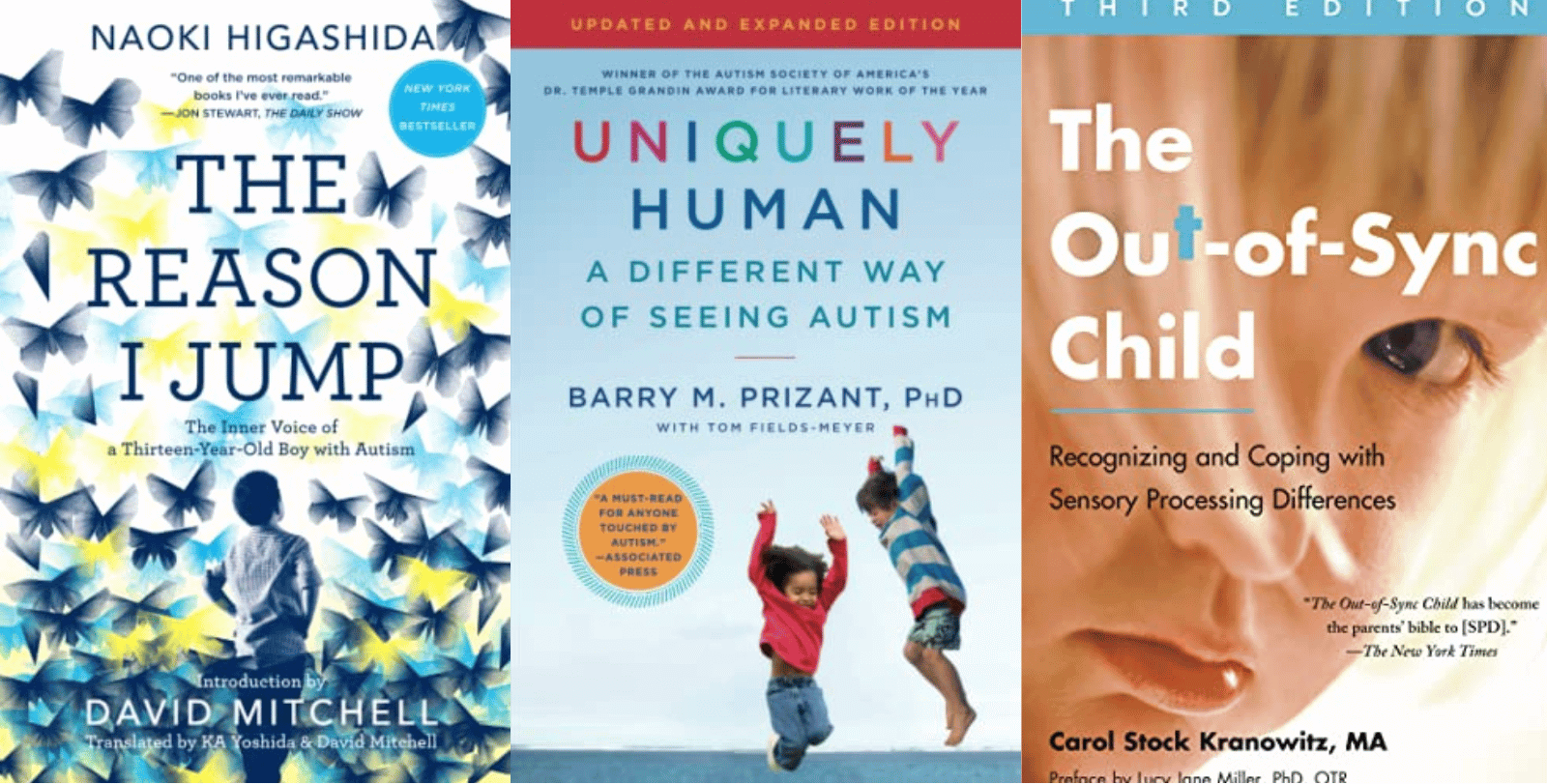
By giving voice to autistic experiences, these books not only enrich the broader autism conversation but also inspire empathy and allyship across communities.
Diverse Content Types to Address Varied Needs
The spectrum of autism literature is as diverse as the spectrum itself. Readers can expect to encounter a range of formats, including:
- Clinical Texts: Detailed accounts of diagnostic criteria, neurological insights, and therapeutic methodologies provide a scientific backbone that supports practitioners and informed caregivers.
- Practical Handbooks: Step-by-step guides with actionable advice on communication techniques, behavioral interventions, and daily living skills.
- Educational Toolkits: Created for teachers and therapists, these often contain worksheets, activity suggestions, and assessment forms designed to enhance engagement and comprehension.
- Personal Narratives: Memoirs and essays from autistic individuals that foster deeper understanding and humanize the clinical aspects of autism.
- Resource Compendiums: Curated lists of organizations, support networks, and further readings that extend the reader’s journey beyond the page.
This breadth ensures that everyone—from parents seeking to implement new strategies to educators refining their craft, or adults searching for identity affirmation—finds relevant and meaningful material.
Addressing Emotional Complexity and Social Dynamics
Autism affects more than cognitive and behavioral aspects; it weaves into emotional and social fabrics. The best autism books do not shy away from these intricate themes. They explore sensory integration challenges, anxiety, depression, and the nuances of social communication.
In addressing emotional complexity, many authors focus on empathy-building—not just for neurodivergent individuals, but for the entire support network. They advocate for patience, respect, and open-mindedness as foundational to nurturing growth and wellbeing.
Social dynamics, including peer relationships and community inclusion, are scrutinized with sensitivity and depth. Books often suggest frameworks to teach social cues, interaction skills, and conflict resolution, empowering readers with concrete approaches to foster meaningful connections.
Conclusion: Cultivating Knowledge and Empathy
Books remain potent catalysts in the quest to understand and support autism in its many forms. Whether for parents learning how to nurture their child’s unique potential, teachers striving to create inclusive classrooms, or adults seeking self-discovery and affirmation, the right literature illuminates the path.
The amalgamation of expert guidance, heartfelt memoirs, and practical tools creates a comprehensive resource pool. It not only informs but also inspires compassion and respect—crucial ingredients in building a more inclusive society.
Delving into the best autism books means embracing a lifelong journey of learning, adaptation, and connection. It is a commitment to seeing beyond diagnoses and embracing the full humanity of every individual on the spectrum.