The world of autism is as diverse as the individuals who inhabit it, and one of the most fascinating intersections of neurodivergence and human behavior lies in the realm of collecting. For many autistic people, hobbies centered around amassing objects—whether stamps, coins, rocks, or even train schedules—transcend mere pastimes. They become a sanctuary, a cognitive anchor, and a source of profound satisfaction. Collecting, in this context, is not just about ownership; it is about order, predictability, and the quiet joy of mastery over a chosen domain. This article explores the intricate relationship between autism and collecting, delving into the psychological underpinnings, the types of collections that resonate most deeply, and the ways in which these hobbies can serve as both a refuge and a gateway to social connection.
The Psychology Behind Autistic Collectors: Order in a Chaotic World
At its core, collecting for autistic individuals often stems from an innate need for structure and control. The world can feel overwhelmingly unpredictable, filled with sensory noise and social ambiguities. Collecting provides a counterbalance—a meticulously curated microcosm where every item has its place, every category is defined, and every addition follows a predictable pattern. This act of curation is not merely a hobby; it is a form of self-regulation, a way to impose order on the chaos of existence.
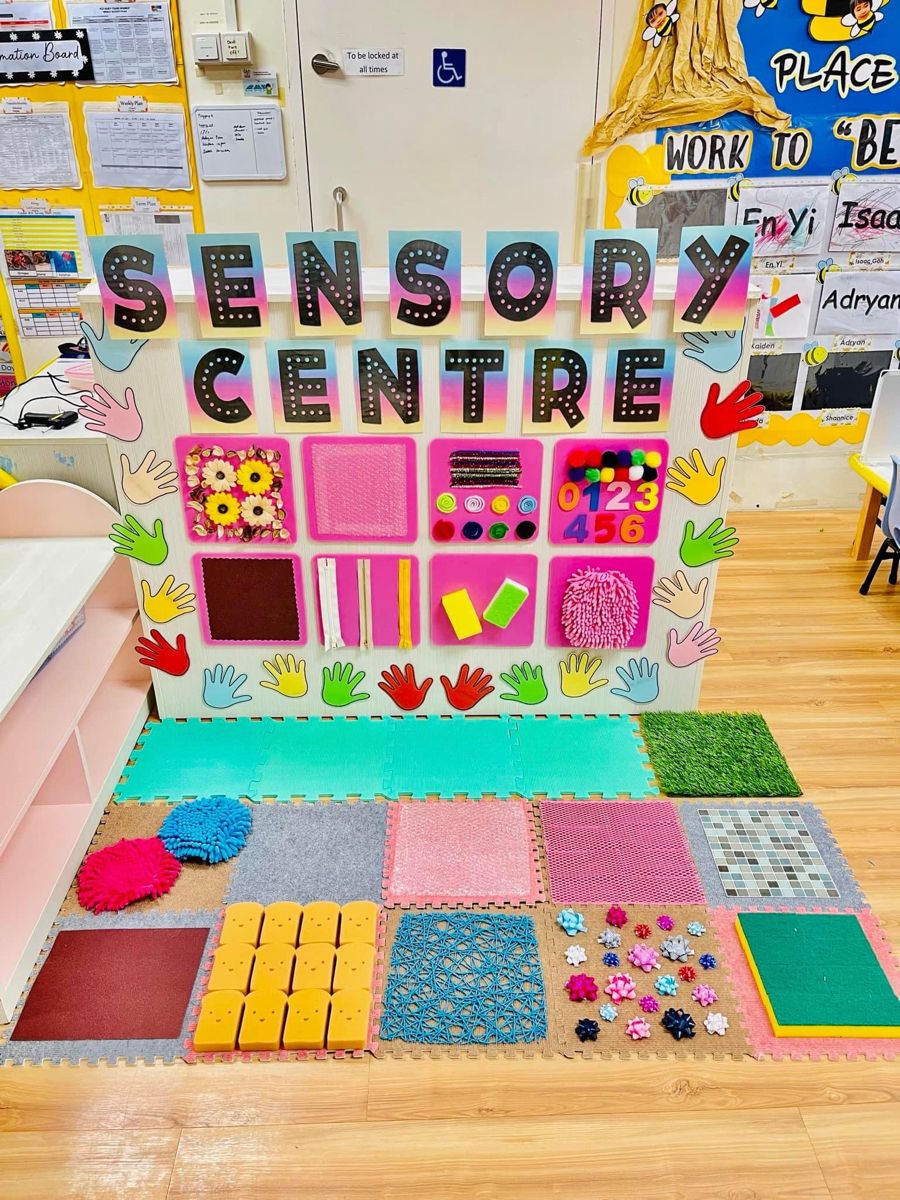
Neuroscientifically, collecting can be linked to the dopamine-driven reward systems that autistic brains often rely on. The thrill of the hunt, the satisfaction of completing a set, and the tactile or visual pleasure of handling objects all trigger neurochemical responses that reinforce the behavior. For some, the act of collecting becomes a form of stimming—a repetitive, self-soothing behavior that grounds them in the present moment. The tactile feedback from handling objects, the visual symmetry of a well-organized collection, or even the auditory rhythm of sorting and categorizing can be deeply calming.
Moreover, collecting often aligns with the autistic tendency toward hyperfocus. When an autistic individual becomes deeply invested in a collection, their attention narrows to a laser-like precision, shutting out distractions and immersing them in a state of flow. This hyperfocus can be both a source of joy and a tool for skill development, as collectors often research their chosen subject with encyclopedic dedication.
The Spectrum of Collections: From Mundane to Magnificent
The objects of autistic collectors’ affection vary as widely as the individuals themselves. Some collections are practical, like organizing household items or categorizing recipes, while others are whimsical, such as collecting specific types of bottle caps or vintage postcards. The key is not the monetary value of the items but the intrinsic value they hold for the collector.
 One of the most common types of collections among autistic people is natural specimens—rocks, shells, leaves, or fossils. These collections often reflect a fascination with the tangible, the textured, and the visually striking. The act of foraging for these items, whether on a beach or in a park, combines the thrill of discovery with the satisfaction of categorization. Each new addition is a tangible piece of the natural world, sorted by type, color, or origin, creating a personal museum of sorts.
Another prevalent category is ephemera—items designed to be temporary but preserved for their aesthetic or historical value. This could include vintage postcards, ticket stubs, or even old advertisements. The appeal lies in the nostalgia and the stories these objects tell, even if they are fragmented. For some collectors, the pursuit of ephemera is as much about the hunt as it is about the acquisition, turning thrift stores and flea markets into treasure troves.
Some autistic collectors gravitate toward highly specialized or niche subjects, such as collecting specific editions of books, types of buttons, or even obscure pieces of machinery. These collections often require deep research and a keen eye for detail, traits that many autistic individuals possess in abundance. The challenge of tracking down rare items can be as rewarding as the collection itself, fostering a sense of accomplishment and expertise.
Collecting as a Social Bridge: Shared Passions and Community
While collecting is often a solitary pursuit, it can also serve as a powerful social connector. Autistic individuals who collect niche items often find camaraderie in online forums, local meetups, or specialized clubs where their passion is not just accepted but celebrated. These communities provide a rare space where autistic people can engage with others on their own terms, sharing knowledge, trading items, and bonding over shared interests without the pressure of neurotypical social norms.
For example, a collector of vintage train memorabilia might join a group of enthusiasts who meet monthly to discuss the history of railroads, trade rare timetables, or attend model train exhibitions. These interactions are not about small talk or forced eye contact; they are about the exchange of information and the mutual appreciation of a shared obsession. In this way, collecting can act as a social lubricant, easing the way into relationships that might otherwise feel daunting.
Moreover, the act of displaying a collection can be an invitation to connection. Whether it’s a shelf of carefully arranged rocks in a living room or a digital gallery of collected digital art, these displays often spark curiosity and conversation. Autistic collectors may find that their passion becomes a conversation starter, allowing them to share their knowledge and enthusiasm in a way that feels authentic and rewarding.
The Therapeutic Power of Collecting: Healing Through Hobbies
Beyond the social and psychological benefits, collecting can also serve as a therapeutic tool for autistic individuals. The repetitive nature of sorting, organizing, and cataloging can be deeply soothing, providing a sense of control and predictability. For those who experience anxiety or sensory overload, the tactile engagement with a collection—whether it’s the smooth surface of a polished stone or the crisp texture of a new book—can be grounding.
Collecting can also be a form of creative expression. Some autistic individuals use their collections to tell stories, whether through curated displays that reflect a personal narrative or by creating art from their collected items. For example, a collection of vintage postcards might inspire a collage that explores themes of travel and memory, while a rock collection could be arranged to mimic the patterns of geological formations. These creative outlets allow collectors to process emotions, explore identities, and communicate in ways that words sometimes cannot.
Additionally, the goal-oriented nature of collecting can provide a sense of purpose and achievement. The act of setting a goal—whether it’s completing a set of trading cards or filling a display case with a specific type of shell—gives collectors a tangible target to work toward. Achieving these milestones can boost self-esteem and reinforce a sense of competence, counteracting the frustration that often accompanies challenges in other areas of life.
Challenges and Considerations: Navigating the Downsides of Collecting
While collecting can be a source of joy and stability, it is not without its potential pitfalls. For some autistic individuals, the line between a healthy hobby and an all-consuming obsession can blur, leading to challenges such as financial strain, clutter, or social isolation. The same hyperfocus that drives a collector to amass a vast array of items can also make it difficult to disengage, especially when the collection becomes tied to identity or self-worth.
Financial considerations are another critical factor. Collecting can be an expensive pursuit, particularly when it comes to rare or specialized items. Autistic individuals who are financially dependent or on a limited budget may find themselves facing difficult choices between their passion and other necessities. It’s important for collectors to set boundaries, whether that means setting a monthly budget for acquisitions or prioritizing quality over quantity.
Clutter is another common issue, particularly for those who struggle with executive function or spatial organization. A collection that starts as a small, manageable display can quickly spiral into an overwhelming mess if not regularly curated. Implementing systems for organization—such as labeled bins, digital inventories, or designated display spaces—can help mitigate this problem. For some, the act of decluttering a collection can be as rewarding as the act of collecting itself, providing a sense of renewal and control.
The relationship between autism and collecting is a testament to the unique ways in which neurodivergent minds find meaning and solace in the world. Whether through the tactile pleasure of handling objects, the intellectual satisfaction of categorization, or the social connections forged through shared passions, collecting offers autistic individuals a pathway to self-expression, stability, and joy. It is a reminder that what might seem like a simple hobby to some is, for others, a vital lifeline—a way to navigate the complexities of life with grace, precision, and unapologetic enthusiasm.