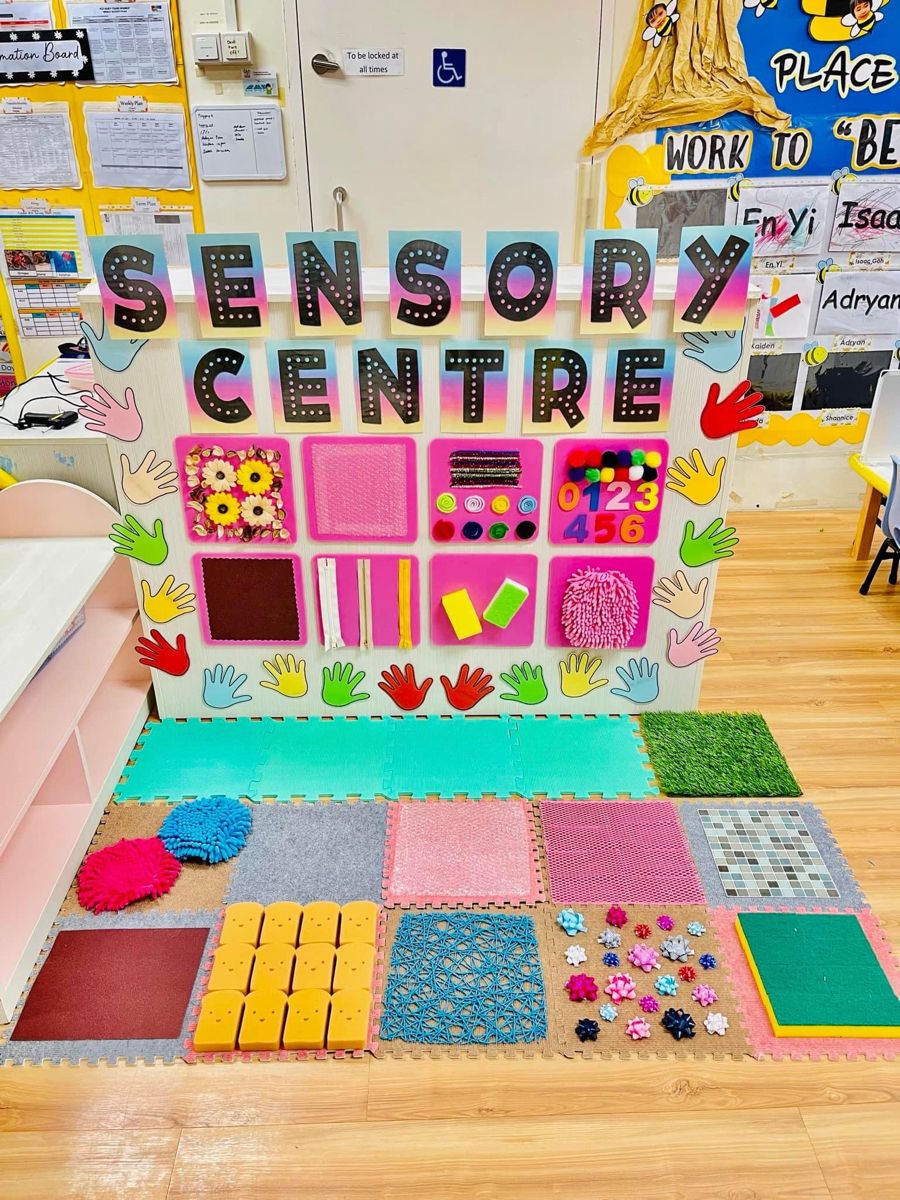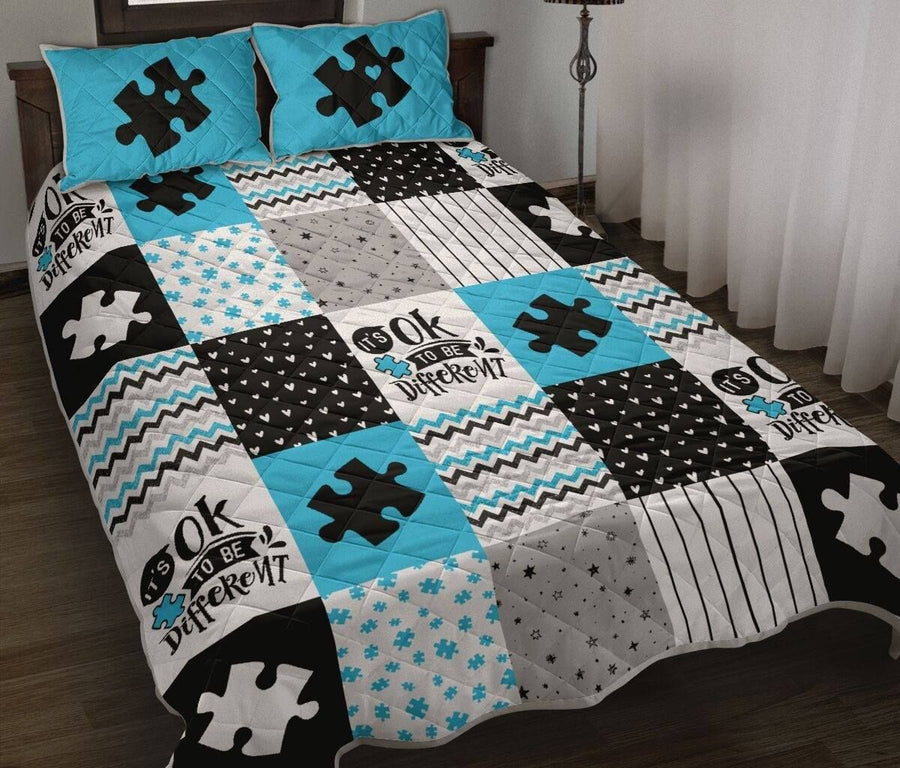
Can the simple act of choosing bedding truly transform the nightly experience for individuals on the autism spectrum? For many families, bedtime can be a battleground marked by restlessness, discomfort, and sensory overload. But what if the right bedding could serve not only as a comfort zone but also as a sanctuary tailored to subtle sensory needs? Selecting the best sensory-friendly bedding for autism is not just about aesthetics or warmth—it’s an intricate balance of texture, material, and design working harmoniously to create calm and ease.
The Crucial Role of Sensory-Friendly Bedding
For individuals with autism, sensory processing challenges often mean that ordinary fabrics and bedding choices can feel abrasive or overwhelming, inhibiting restful sleep. Sensory-friendly bedding endeavors to bridge this divide by considering tactile hypersensitivity, temperature regulation, and pressure succession. Unlike traditional bedding, these specialized materials are engineered to minimize irritation and maximize soothing contact.
The deliberate choice of fabric—whether ultra-soft cotton blends, smooth bamboo, or gentle microfiber—can significantly impact sleep quality. The tactile sensation beneath the skin is paramount for calming the nervous system. Bedding constructed with these considerations allows peaceful transition into sleep, reducing nightly distress and fostering a routine that users can rely upon for comfort and security.
Material Matters: The Fabric Imperative
Tactility holds supreme importance when developing or choosing sensory-friendly bedding. Materials such as organic cotton or modal present gentle textures that do not evoke skin irritation or itchiness. Bamboo fabrics, prized for their hypoallergenic and thermoregulatory properties, help maintain a balanced microclimate, mitigating overheating — a sensitive trigger for many individuals.
Additionally, advanced textiles may feature knittechniques to enhance softness while maintaining durability. The absence of harsh seams and tags further elevates comfort. For those who prize tactile reassurance, quilting that incorporates subtle weighted elements can provide calming proprioceptive feedback, creating a cocoon-like effect without encumbrance.

Design That Speaks: Visual and Emotional Sensory Sensitivities
Beyond the fabric, design choices matter deeply, influenced by both visual and emotional considerations. Color psychology plays an influential role in crafting a calming environment. Soft, muted hues and simple patterns tend to be less likely to overstimulate and more conducive to relaxation compared to bold, erratic prints. Puzzle piece motifs or symbolic designs can also resonate emotionally, offering connection and familiarity.
Functionality interlaces with aesthetic intent by facilitating ease of use and maintenance. For instance, bedding sets with zipper closures or weighted cushions that stay securely in place diminish fuss and frustration, addressing both sensory and practical impediments to restful sleep.

Temperature and Sleep: Regulating the Night’s Climate
One aspect frequently overlooked is temperature control, which can drastically impact sleep quality for autistic individuals, who often have dysregulated sensory responses to heat and cold. Bedding that ‘breathes’—allowing perspiration to evaporate quickly and dispersing heat evenly—prevents discomfort caused by moisture and temperature spikes.
Natural fibers like bamboo and cotton excel in moisture-wicking properties; meanwhile, innovative synthetic blends may incorporate phase change materials that absorb and release heat dynamically. Such attributes yield a microenvironment optimized for drowsiness and ease, circumventing common sleep disruptors such as overheating or chills.
Weighted and Compression Bedding: Embracing Deep Pressure Therapy
Many sensory-friendly bedding options incorporate elements of deep pressure therapy (DPT), where gentle, consistent pressure offers a grounding effect akin to a reassuring embrace. Weighted blankets, quilts, or duvet inserts can reduce anxiety and aid in the transition from wakefulness to sleep.
The important factor is balance: the pressure must be soothing—not restrictive. Modern sensory bedding often utilizes evenly distributed weights and soft, breathable fabrics to offer therapeutic benefits without sacrificing comfort or safety. This dual function enhances both physiological and psychological well-being throughout the night.
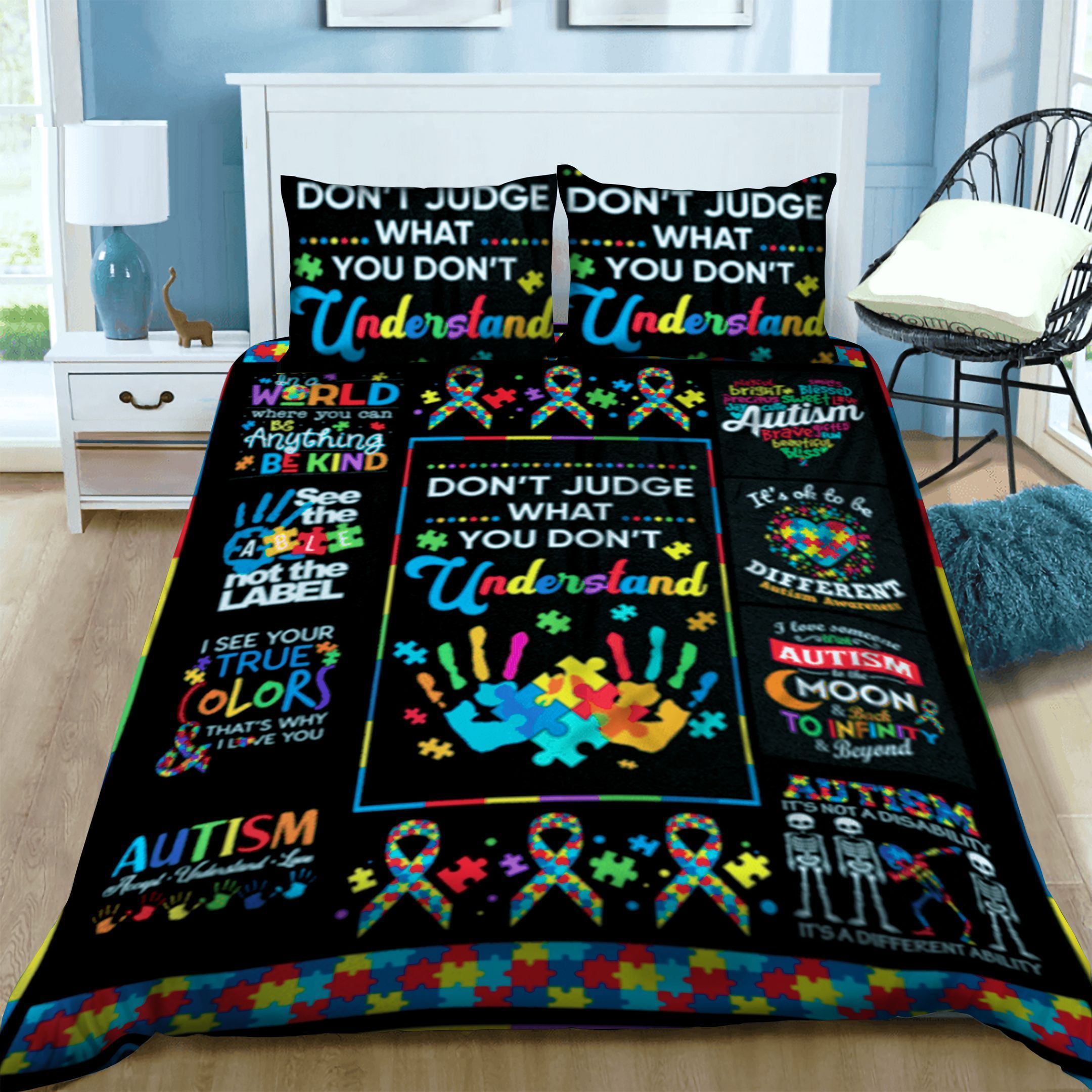
Practical Considerations: Maintenance and Longevity
Beyond sensory attributes, practicality is indispensable. Bedding that withstands frequent washing without degradation in softness or structure is essential, given the hygiene demands of daily use. Hypoallergenic and easy-care fabrics reduce the presence of irritants such as dust mites and allergens, further supporting sensory needs.
Durable construction techniques and thoughtful details like reinforced seams and adaptable sizing extend the life of bedding, offering families reassurance in their investment. The union of resilience and sensory accommodation marks the hallmark of effective sensory-friendly bedding.
Conclusion: Crafting a Sanctuary in Sleep
The journey to finding the best sensory-friendly bedding for autism is both nuanced and rewarding, encompassing tactile sensitivity, temperature regulation, visual harmony, and therapeutic qualities. Each element interconnects to form a fabric of support that transcends the physical and touches the emotional realm, fostering security and serenity.
Choosing bedding designed with these insights is an act of care, sculpting a sanctuary within the nightly routine—where restlessness is soothed, sensory challenges are mitigated, and healing sleep can flourish. In this delicate interplay between material science and empathetic design lies the potential for truly transformative rest.