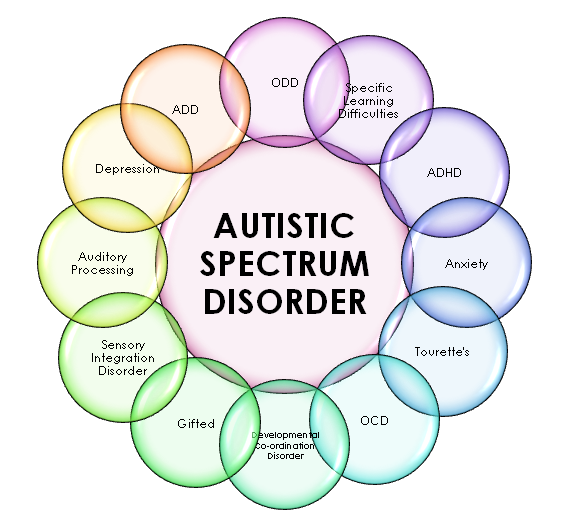
Recognizing autism in a 4-year-old child can be a nuanced and pivotal step toward providing early interventions that enhance developmental outcomes. By this age, most children demonstrate distinct social, communicative, and behavioral milestones. When deviations or delays arise, they may signal underlying neurodevelopmental conditions such as autism spectrum disorder (ASD). Understanding the multifaceted manifestations of autism empowers parents, educators, and healthcare professionals to identify red flags promptly and seek comprehensive assessments.
Understanding Autism Spectrum Disorder in Early Childhood
Autism spectrum disorder is a complex neurological and developmental condition characterized by challenges with social interaction, communication, and repetitive behaviors. It varies widely across children, making it a “spectrum” rather than a singular set of symptoms. At four years old, many subtle and overt indicators can be observed that differentiate children on the spectrum from their neurotypical peers. Timely recognition aids in accessing tailored support systems that address individual strengths and challenges.

Social Interaction: Detecting Deficits and Unusual Engagements
One of the quintessential hallmarks of autism manifests in the realm of social connectedness. By age four, children typically engage peers with reciprocal play, share affection spontaneously, and respond to social cues like eye contact and emotional expressions. In contrast, a child with autism may demonstrate diminished eye contact, minimal use of gestures such as pointing or waving, and difficulty interpreting or exhibiting empathy.
Children might appear aloof or indifferent to familiar faces, refraining from initiating social interaction or reciprocal communication. They may prefer solitary play or focus intently on objects instead of shared activities. These social peculiarities often provoke misunderstandings but are rooted in fundamental differences in sensory processing and social cognition rather than deliberate withdrawal.
Communication Challenges: Verbal and Nonverbal Indicators
Communication deficits in a 4-year-old with autism can range from delayed speech milestones to peculiarities in verbal expression. Some children may be nonverbal, while others might have an extensive vocabulary but struggle with pragmatic language skills—the ability to use language socially and contextually. Echolalia, or the repetition of words and phrases heard previously, is another common feature.
Nonverbal communication is equally critical. An autistic child may seldom use gestures like nodding or shaking their head or might display an unusual tone of voice, such as monotony or sing-song intonation. Difficulties in initiating or sustaining conversations, responding appropriately to questions, or understanding figurative language (e.g., idioms or sarcasm) can also be prevalent.
Repetitive and Restrictive Behaviors: Understanding the Spectrum’s Core Characteristics
Repetitive behaviors represent a cornerstone of autism’s behavioral phenotype. At age four, these may manifest in various ways, including hand-flapping, rocking, spinning objects, or insistence on rigid routines. A child might insist on sameness and become distressed with changes in schedules or environments. This ritualistic behavior provides a sense of predictability and security amidst sensory or social confusion.
Restricted interests may be unusually intense or fixated. For instance, a child might become preoccupied with particular toys, numbers, or topics with a depth and focus uncommon among peers. These behaviors are not merely habits but serve critical regulatory and communicative functions for children on the spectrum.

Sensory Sensitivities: Heightened or Diminished Sensory Responses
Sensory processing differences are intrinsic to autism and significantly impact daily functioning. A 4-year-old may exhibit hyper- or hypo-sensitivities to stimuli such as lights, sounds, textures, tastes, or smells. These sensory irregularities can result in avoidance behaviors, meltdowns, or intense joy from specific sensations.
For example, certain fabrics may irritate the skin, loud noises may provoke distress, or alternatively, the child may seek excessive tactile input, such as rough play or deep pressure. Such sensory anomalies often influence social interactions and environmental engagement, and recognizing them is vital for creating supportive spaces.
Cognitive and Learning Profiles: Variability and Strengths
While autism can be associated with developmental delays, many children exhibit a spectrum of cognitive abilities. Some may have uneven skill development, with advanced abilities in areas like memory, pattern recognition, or reasoning juxtaposed against challenges in adaptive skills.
At 4 years, disparities in attention span, problem-solving methods, and learning approaches often come to light. Understanding these cognitive profiles assists in crafting individualized educational plans that leverage strengths while addressing areas of difficulty.
When to Seek Professional Evaluation
Recognizing potential signs of autism early is crucial, but no single behavior conclusively indicates a diagnosis. Persistent concerns warrant comprehensive evaluation by specialists such as developmental pediatricians, psychologists, or speech-language pathologists. They employ standardized assessments that consider a child’s behavioral presentation within developmental context and family history.
Robust early intervention programs tailored to a child’s unique profile can make transformative differences in communication, socialization, and functional independence. Consequently, vigilance and proactive engagement remain the cornerstones of optimal developmental trajectories.

In conclusion, understanding what constitutes the signs of autism in a 4-year-old demands a holistic perspective that encompasses social, communicative, behavioral, sensory, and cognitive dimensions. Although the spectrum of symptoms is broad and variable, early identification and intervention pave the path for enhanced quality of life and developmental growth. Through informed observation and timely professional collaboration, children with autism can receive the support needed to flourish.