Halloween is a time of vibrant festivities, creative expression, and joyful community gatherings. Yet, for many individuals on the autism spectrum, the sensory complexities and overwhelming stimuli that often accompany traditional celebrations can make participation a challenging experience. Sensory sensitivities to sounds, lights, fabrics, and crowds can transform what should be an enjoyable event into a source of stress and discomfort. Recognizing these challenges opens a pathway towards more inclusive celebrations, where sensory-friendly costume ideas play a crucial role. This narrative will explore a spectrum of thoughtful costume concepts, materials, and approaches designed to honor sensory needs while embracing the spirit of Halloween.
The Importance of Sensory-Friendly Costumes
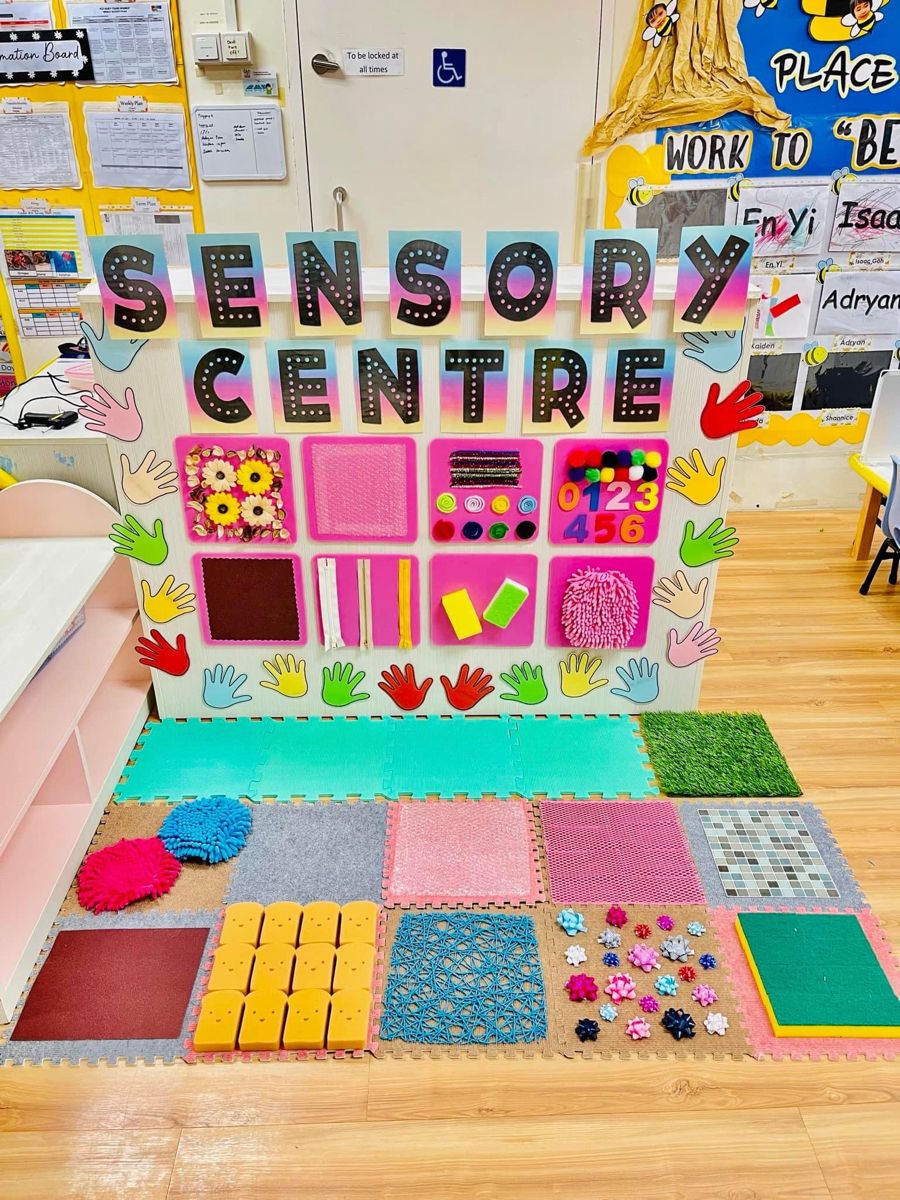
Costumes are more than mere disguises; they are a canvas for imagination and personal identity. For autistic children and adults alike, choosing attire that respects their sensory thresholds can foster a sense of confidence and enjoyment rather than anxiety. Traditional costumes, often accompanied by scratchy fabrics, tight accessories, and elaborate fastenings, may introduce tactile discomfort or cause distraction. Sensory-friendly costumes prioritize comfort, ease of wear, and non-irritating materials, enabling individuals to partake fully in festivities without compromise.

Material Selection: The Foundation of Comfort
The textures and composition of costume fabrics are paramount when crafting sensory-sensitive attire. Opting for soft, breathable textiles such as cotton blends, bamboo fiber, or lightweight fleece can significantly reduce irritation. Seamless designs or internally covered seams shield delicate skin from itchiness. Avoiding accessories with scratchy tags, zippers, or tight elastics further enhances comfort. Many sensory-friendly costumes incorporate gentle stretch fabrics that allow freedom of movement, reducing any sense of constraint that might provoke discomfort or agitation.
Incorporating Weighted Elements for Calming Effects
Weighted clothing has garnered recognition for its soothing properties among the autism community. When integrated thoughtfully, weighted vests or capes can be both functional and festive. Adding subtle, evenly distributed weight to a costume can provide proprioceptive input, which may foster calmness and improved focus during the sensory-rich days of Halloween. Designers often embed weighted pouches in cloaks or superhero capes, combining tactile enjoyment with familiar motifs. Care is taken to avoid bulkiness or overheating, ensuring the balance between sensory benefit and practicality.
Minimalist and Adaptive Costume Ideas
Sometimes, simplicity yields the most profound impact. Minimalist costumes that emphasize visual cues without excess adornment often resonate well. For instance, face paint or temporary tattoos that avoid heavy makeup or prosthetics provide a non-intrusive way to transform appearances. Adaptive costumes incorporate adjustable fastenings such as Velcro instead of buttons or snaps, enabling wearers to dress independently and comfortably. Classic themes — like a gentle ghost, a friendly pumpkin, or a soft animal-inspired ensemble — can be adapted with sensory-sensitive materials and low-stimulation accessories.
Alternatives to Traditional Masks and Headwear
Masks are a traditional staple of Halloween, yet many autistic individuals find them intolerable due to pressure, restricted breathing, or visual obstruction. Alternatives such as lightweight headbands with themed elements or face decals provide festive flair without compromising comfort. Some opt for face shields made from clear, soft materials that allow for visibility and expression while reducing sensory strain. Customized headgear that is breathable, lightweight, and easily adjustable can make all the difference, adapting celebrations to meet individual sensory profiles.
Creating Safe and Predictable Halloween Environments
The context in which costumes are worn matters tremendously. Beyond the attire itself, managing the environment is essential to mitigating sensory overwhelm. Choosing quieter trick-or-treating routes, organizing small group events, or attending sensory-friendly Halloween gatherings can provide reassuring frameworks. Illuminated path markers with soft lighting and consistent cues can ease navigational anxiety. Encouraging family and community members to be mindful of sensory needs cultivates an atmosphere where creativity and comfort coexist harmoniously.
Customizable and Personalized Costume Options
Empowering autistic individuals to participate in costume selection and customization fosters agency and self-expression. Simple DIY projects — such as decorating a plain cape with favorite colors or symbols, or designing a shirt with familiar characters — offer ownership and reduce stress. Personalization also allows for pacing; gradual introductions to costume elements over time can enhance acclimation. Moreover, embracing technology when appropriate — such as light-up components that can be toggled — provides dynamic sensory engagement tailored to individual preferences.
Practical Tips for Parents and Caregivers
Preparation is key in ensuring a positive experience. Prior to Halloween, discussing costume choices, trying on outfits during calm settings, and gradually introducing new textures can diminish surprises. Packing comfort items, like noise-canceling headphones or preferred sensory tools, is wise during outings. Always remain attentive to signs of distress and be ready to adapt plans if needed. Celebrating small victories and prioritizing well-being over traditional expectations underscores the true spirit of inclusion.

Promoting Awareness and Inclusion
Finally, fostering an informed community is integral to the evolution of sensory-friendly festivities. When neighbors, schools, and event organizers understand the diversity of sensory experiences, they become allies in creating accessible celebrations. Sharing knowledge about sensory-friendly costumes and strategies can inspire innovations and accommodations, broadening participation for all. The collective effort nurtures a richer Halloween environment — one where creativity, acceptance, and empathy shine as brightly as the jack-o’-lanterns lining the streets.
As Halloween approaches, reimagining costumes through a sensory-conscious lens unlocks new realms of joy and connection. By blending thoughtful material choices, adaptive designs, and supportive environments, the holiday transforms into an inclusive celebration that honors individuality. Sensory-friendly costume ideas are not merely pragmatic solutions but invitations to embrace diversity and craft cherished memories that last far beyond the season.