
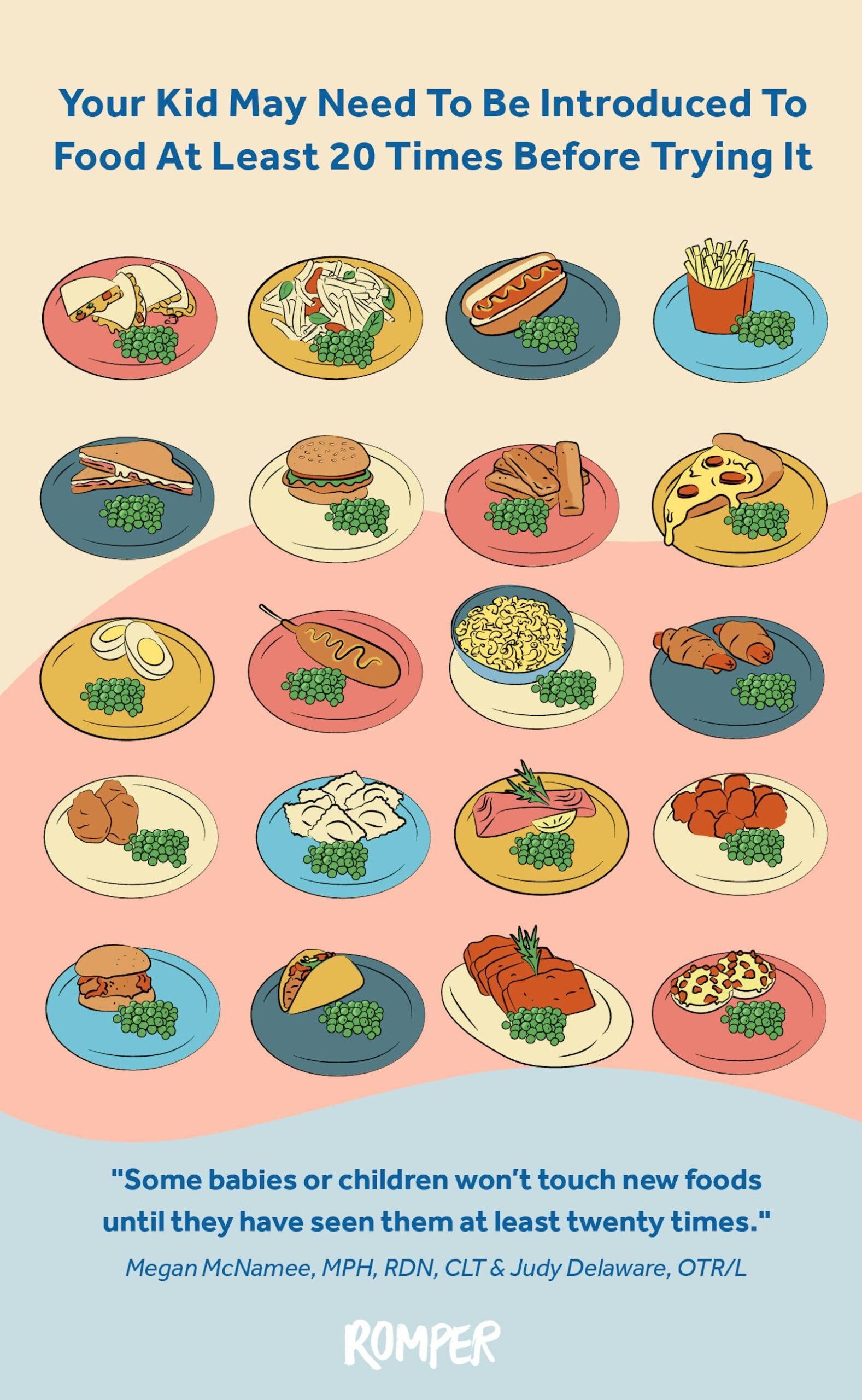
Thanksgiving is a cherished holiday, rich with tradition, familial reunions, and an abundance of food. Yet, for families navigating the complexities of autism, particularly when faced with picky eating behaviors, the day can quickly transform from festive to fraught. The sensory sensitivities, rigid routines, and food aversions common in individuals on the autism spectrum amplify the potential for stress during mealtime gatherings. This article explores a comprehensive framework to alleviate these tensions, offering practical strategies and insights to embrace a harmonious Thanksgiving.
Understanding the Nexus Between Autism and Picky Eating
Picky eating within the autism community often transcends simple food preference, rooted instead in atypical sensory processing and insistence on sameness. Textures, smells, colors, and even the temperature of food can trigger discomfort or refusal. This inherently complicates traditional Thanksgiving menus, laden with unfamiliar or heavily seasoned dishes. Recognizing that these sensitivities are not mere obstinacy but neurodivergent responses is crucial in crafting an accommodating dining experience. This understanding fosters patience and reframes challenges as opportunities for creative problem-solving.
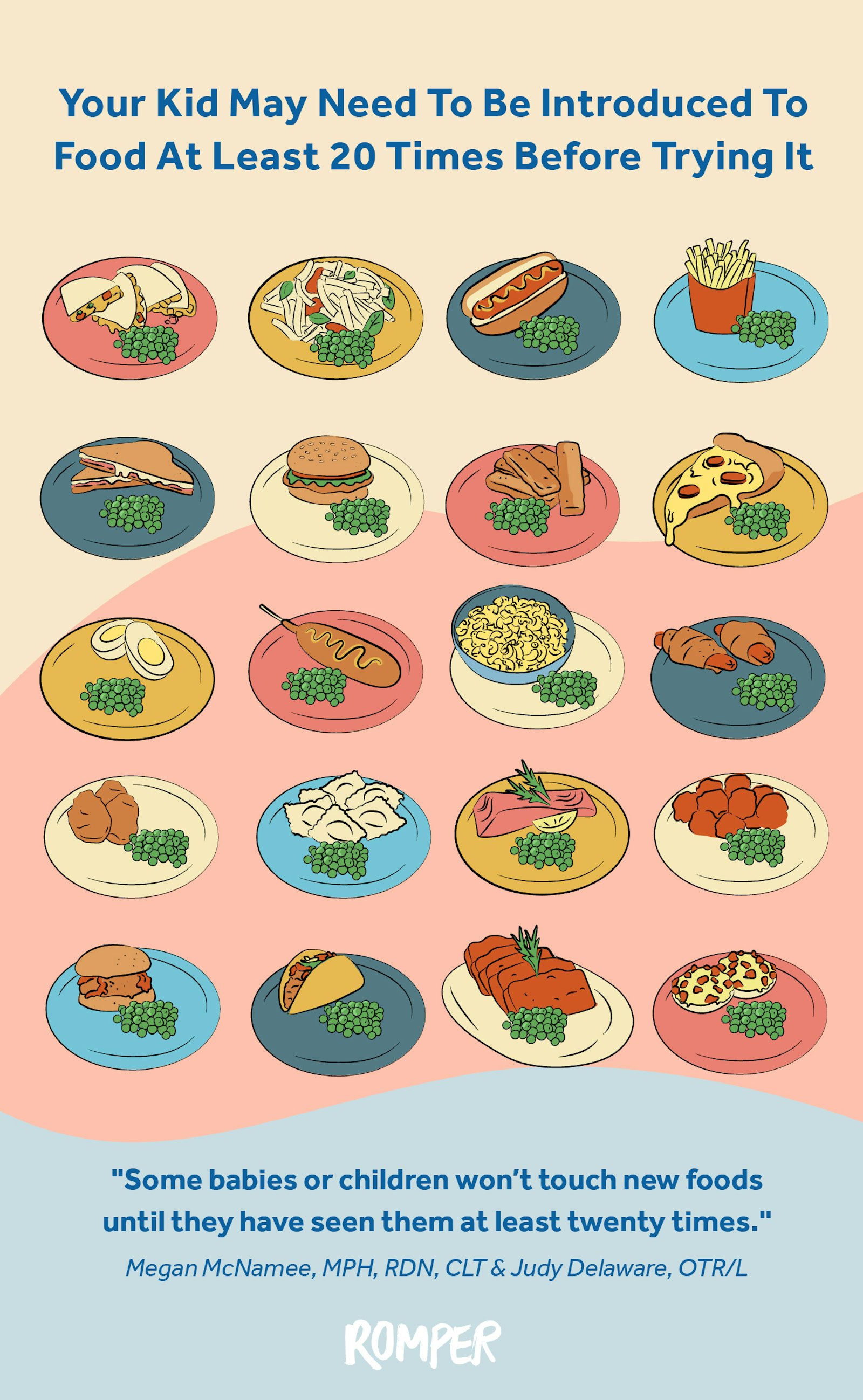
Pre-Planning: Setting the Table for Success
Meticulous planning underscores any successful holiday meal but takes on heightened significance when tailoring the experience for children or adults with autism. Engage in discussions well before Thanksgiving to chart out accepted foods, any potential substitutions, and mealtime logistics. Establishing clear expectations can mollify anxiety for both the individual and caregivers.
Incorporate visual supports such as picture menus or schedules delineating the order of events. Such materials ground the celebrant in predictability, mitigating the distress caused by uncertainty. Additionally, consider the environment: a quieter dining area, minimizing glare or noise, and ensuring comfort can significantly reduce sensory overload.
Crafting an Allergy-Friendly and Sensory-Sensitive Menu
Traditional Thanksgiving fare is often a cacophony of flavors and textures, which can be a sensory minefield for autistic individuals. Developing an allergy-friendly and sensory-considerate menu involves both elimination and incorporation.
Dishes with mild seasonings, predictable textures, and familiar components should form the meal’s cornerstone. Offering alternatives to common allergens, such as gluten-free stuffing or dairy-free mashed potatoes, can prevent exclusion. It is beneficial to include at least one dish fully approved by the individual, sometimes even their own prepared food brought from home, providing a safety net amid the unfamiliar culinary landscape.

Strategies for Navigating Stress During Mealtime
Despite the most thorough preparations, moments of tension may arise. Flexibility and an array of coping mechanisms are essential tools to deflect meltdowns and distress. Allow freedom for dietary autonomy, letting individuals choose how much or little they wish to eat without pressure or coercion.
Structured breaks are another efficacious strategy. Incorporating sensory breaks before, during, or after the meal helps reset the nervous system. These could be quiet retreats, deep pressure activities, or engagement with preferred sensory toys or tools.
Engaging the Family: Building a Supportive Network
Thanksgiving is inherently communal, and incorporating the whole family into the approach fosters empathy and collective responsibility. Educate all participants on the unique needs and triggers the individual with autism may face. By normalizing these differences and encouraging compassionate responses, potential sources of stress can be defused before they escalate.
Encourage family members to model patience and celebrate small victories, such as trying a new food or participating in the group meal. These moments become powerful affirmations, reinforcing positive experiences around food and social interaction.
Maintaining Routine Amid Festivity
Routine is a pillar of stability for many on the autism spectrum, and integrating some semblance of usual patterns into Thanksgiving can be immensely grounding. Preserve familiar rituals where possible—whether that be a specific seating arrangement, the timing of meals, or even pre-planned post-meal activities.
Even the act of preparing for the holiday can serve as a beneficial routine. Inviting individuals to assist with food preparation or table setting offers predictability and a sense of contribution, enhancing engagement.
Additional Resources and Professional Support
For families seeking further assistance, consulting occupational therapists and nutritionists who specialize in sensory processing and autism can be invaluable. These professionals provide tailored interventions, from introducing new foods incrementally to sensory integration techniques designed to expand eating repertoires without undue stress.
Moreover, many resources emphasize the importance of celebrating food diversity in a gentle, non-invasive manner, gradually broadening comfort zones in a supportive and patient environment.
Thanksgiving, while steeped in tradition and social expectation, can be transformed into a narrative of inclusivity and joy for families navigating autism and pickiness. Through thoughtful planning, empathetic engagement, and flexible strategies, the holiday can become a memory marked by connection rather than conflict.












