The modern workplace is a mosaic of diverse talents, each piece contributing to a larger picture of productivity and innovation. Yet, for many neurodivergent individuals—particularly those on the autism spectrum—the workplace can feel like an intricate labyrinth, where unspoken rules and rigid structures create barriers that others may never notice. Autism, a neurodevelopmental condition characterized by differences in social communication and sensory processing, often intersects with professional life in ways that demand thoughtful accommodation. While the legal framework surrounding workplace accommodations for autistic employees is robust, its application remains uneven, leaving many to navigate a landscape where compliance is often confused with genuine inclusion. Understanding these legal requirements is not merely an exercise in regulatory adherence; it is a step toward dismantling systemic obstacles that stifle potential and perpetuate inequity.
The Americans with Disabilities Act (ADA) stands as the cornerstone of workplace protections for autistic individuals in the United States, mandating that employers provide reasonable accommodations to qualified employees with disabilities. Yet, the term “reasonable” is a double-edged sword—flexible in theory but often contentious in practice. What constitutes a reasonable accommodation for one autistic employee may be entirely impractical for another, underscoring the necessity of individualized assessments. Sensory sensitivities, for instance, can render fluorescent lighting unbearable, while social communication differences might necessitate written instructions over verbal directives. The ADA’s broad strokes require employers to engage in an interactive process with employees, fostering dialogue rather than dictation. This collaborative approach is not just a legal obligation; it is an acknowledgment that disability is not a monolith, and neither are its solutions.

Beyond the ADA, state-level protections further refine these obligations. Laws such as California’s Fair Employment and Housing Act (FEHA) and New York’s Human Rights Law expand upon federal mandates, offering additional safeguards for autistic employees. These statutes often clarify ambiguities, such as the definition of “undue hardship,” which can vary dramatically between jurisdictions. For example, an accommodation that imposes minimal financial burden on a large corporation might be deemed unreasonable for a small business operating on tight margins. This nuance highlights a critical tension in disability rights: the balance between accessibility and economic feasibility. Employers must weigh the cost of accommodations against the benefits of retaining a skilled, dedicated workforce, recognizing that the latter often far outweighs the former in the long term.
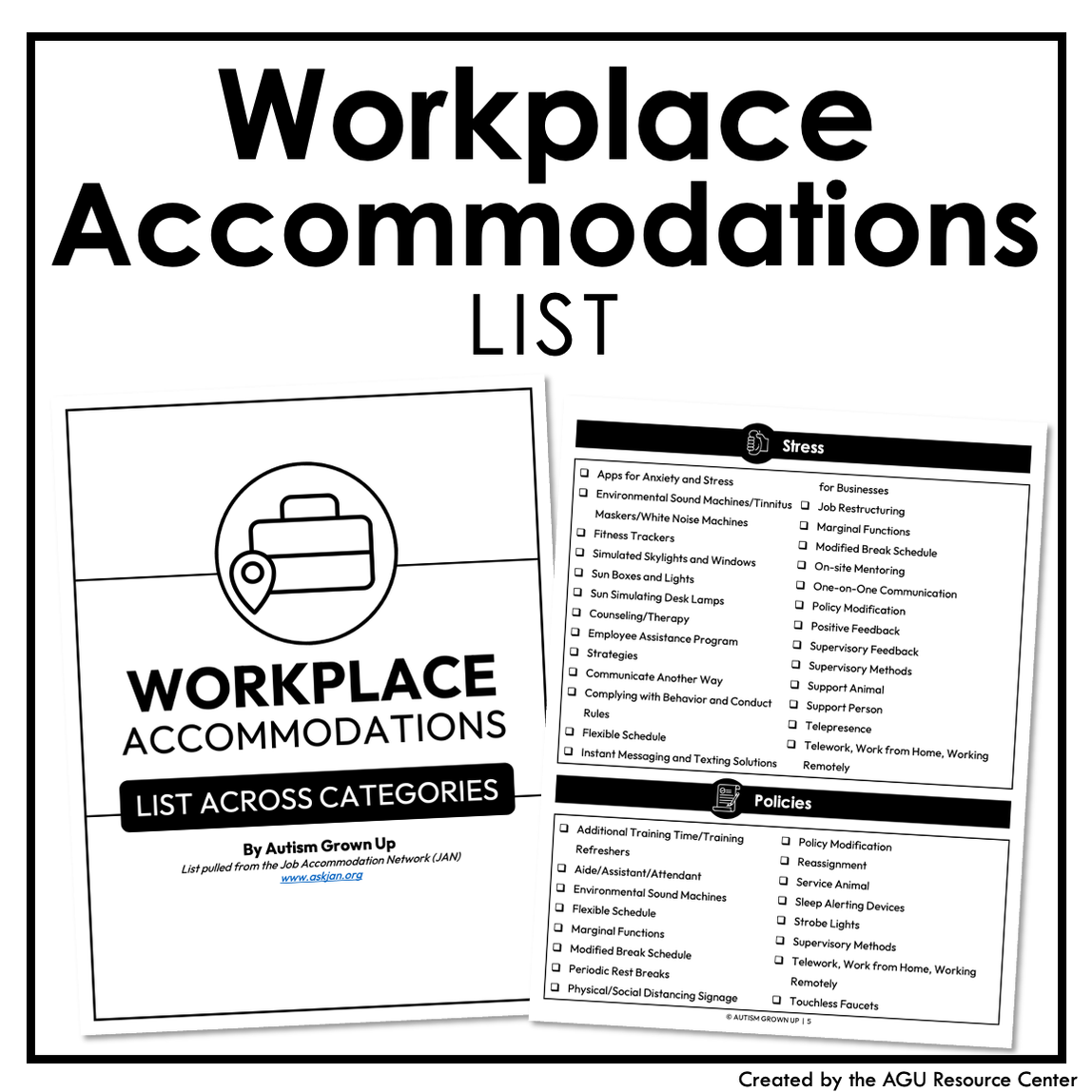
The interactive process, a term frequently invoked in legal contexts, is where the rubber meets the road. It is not enough for employers to simply acknowledge an employee’s request for accommodation; they must actively collaborate to identify solutions that are both effective and sustainable. This process begins with an open dialogue, where the employee’s lived experience takes precedence over assumptions or stereotypes. For autistic employees, this might involve discussing preferred communication methods, adjusting work schedules to accommodate sensory needs, or modifying the physical workspace to reduce overstimulation. The key lies in viewing accommodations not as concessions but as adjustments that enhance productivity and well-being. When employers approach this process with sincerity rather than compliance, the results can be transformative—for both the individual and the organization.
Yet, legal protections are only as effective as their enforcement. The Equal Employment Opportunity Commission (EEOC) plays a pivotal role in addressing violations, but the onus often falls on employees to advocate for their rights. This power dynamic can be daunting, particularly for those who already face barriers in self-advocacy due to communication differences or past experiences of marginalization. The fear of retaliation or professional ostracization looms large, deterring many from pursuing formal complaints. This reality underscores the importance of fostering a workplace culture where accommodations are normalized rather than treated as exceptions. When inclusion is woven into the fabric of an organization’s values, the need for legal intervention diminishes, and the focus shifts from compliance to collaboration.
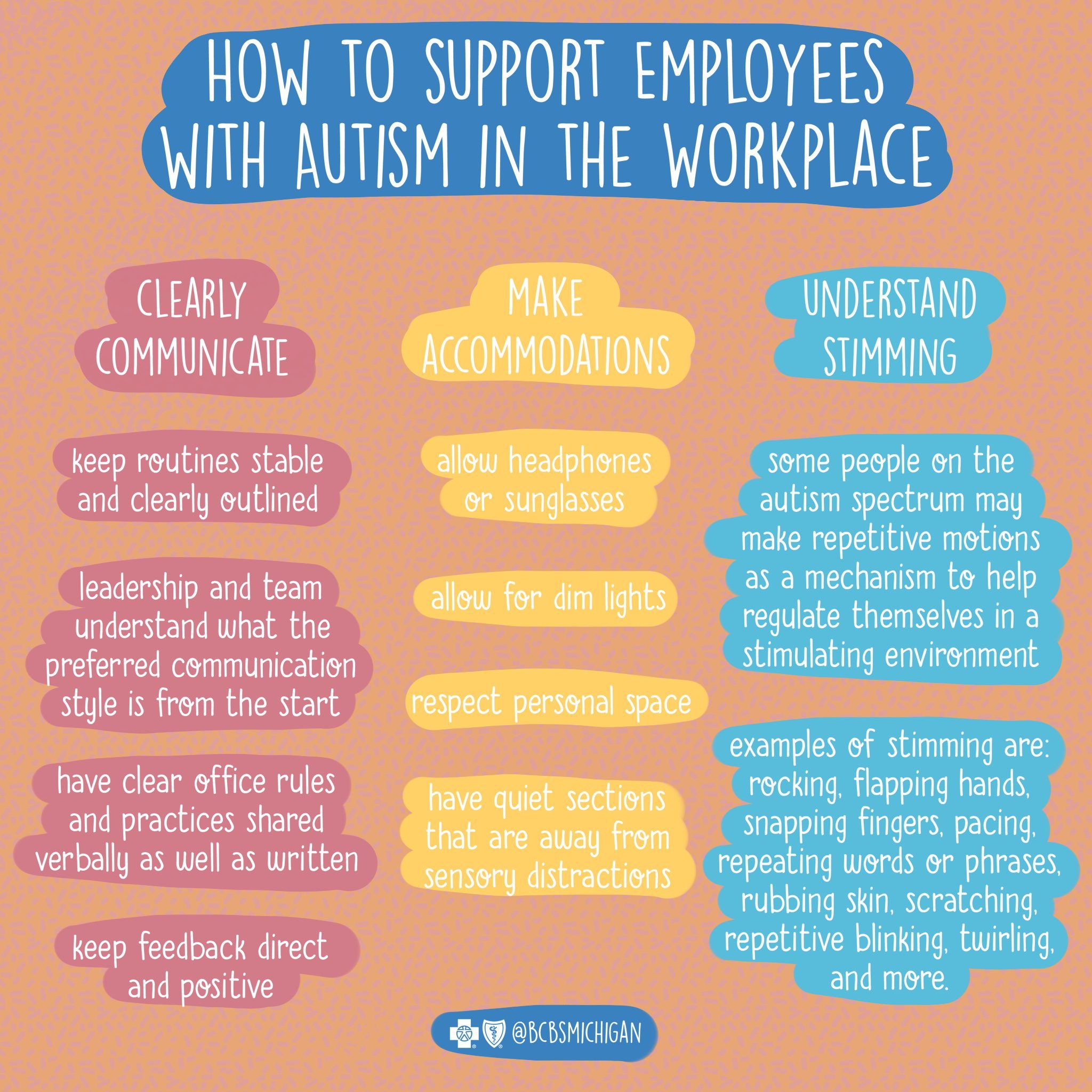
The concept of “universal design” offers a compelling framework for reimagining workplace accommodations. Rather than retrofitting environments to meet the needs of specific individuals, universal design advocates for creating spaces and systems that inherently accommodate a broad spectrum of differences. This proactive approach not only benefits autistic employees but also enhances the experience for all workers. Flexible work arrangements, quiet zones, and clear communication protocols are just a few examples of how inclusive design can elevate the workplace for everyone. By shifting the narrative from “accommodation” to “innovation,” employers can cultivate environments where neurodiversity is not just tolerated but celebrated as a source of strength.
However, the journey toward true inclusion is fraught with challenges. Unconscious biases, deeply ingrained corporate cultures, and the persistent stigma surrounding autism can all undermine even the most well-intentioned efforts. For instance, an employer might provide a noise-canceling headset as an accommodation for sensory sensitivities but fail to address the underlying cultural aversion to headphones in open-office layouts. Similarly, flexible scheduling might be granted, but only if the employee agrees to work during off-peak hours, effectively isolating them from collaborative opportunities. These subtle yet pervasive barriers reveal the depth of the work still to be done. Inclusion is not a checkbox; it is an ongoing commitment to dismantling the structures that perpetuate exclusion.
The legal landscape is also evolving, with emerging trends that reflect a growing recognition of neurodiversity in the workplace. Recent amendments to the ADA and state-level legislation have expanded protections for employees with invisible disabilities, including autism. Additionally, the rise of remote work has introduced new possibilities for accommodations, from virtual sensory-friendly environments to asynchronous communication tools. These developments present both opportunities and complexities, requiring employers to stay informed and adaptable. The intersection of technology and policy is reshaping the boundaries of what is possible, offering a glimpse into a future where workplaces are as diverse as the people who inhabit them.
Ultimately, the legal requirements for workplace accommodations for autistic employees are more than a set of rules; they are a testament to the evolving understanding of disability and inclusion. They challenge us to confront our assumptions, to listen more closely to the voices of those who have been historically marginalized, and to reimagine what it means to create a truly equitable workplace. The path forward is not without its obstacles, but it is a journey worth undertaking—for the individuals who stand to benefit, for the organizations that will thrive in their wake, and for a society that values every voice.
As workplaces continue to evolve, so too must our approach to accommodation. The goal is not merely to meet the letter of the law but to embody its spirit: a commitment to recognizing and removing barriers, to fostering environments where every employee can contribute their unique strengths. In doing so, we do not just comply with legal requirements; we cultivate a culture of belonging that enriches us all.