Have you ever watched a child with autism move with such deliberate grace that it feels like they’re painting the air with invisible brushstrokes? Or perhaps you’ve seen an adult swaying to music in a way that seems to transcend the ordinary, their body language speaking volumes where words might falter. Dance, in all its fluidity and rhythm, offers a unique language—one that doesn’t always require spoken words but instead thrives on movement, expression, and connection. For individuals on the autism spectrum, dance isn’t just a form of art; it’s a bridge to self-discovery, emotional regulation, and even social interaction. But what happens when the very medium meant to liberate becomes a puzzle of its own? What if the rhythm that soothes one person feels like chaos to another? And how do we ensure that dance remains a sanctuary rather than a source of overwhelm?
Autism and dance share a fascinating, often underappreciated relationship. While the world may associate dance with precision or performance, for many autistic individuals, it’s a lifeline—a way to process emotions, communicate needs, and find joy in a world that can sometimes feel overwhelming. Yet, the path to harnessing dance as a therapeutic tool isn’t without its challenges. Sensory sensitivities, motor planning difficulties, and the need for structured environments can turn what seems like a simple activity into a complex endeavor. So, how do we navigate this delicate balance? How do we create spaces where dance feels like freedom rather than a minefield of unpredictability?
The Rhythmic Language of the Autistic Body
For many autistic individuals, movement is more than just physical activity; it’s a form of communication. The body becomes a canvas, and each gesture, each sway, each deliberate step is a word in a language that doesn’t rely on syntax or grammar. This is particularly evident in nonverbal autistic individuals, who may use dance as their primary means of expressing emotions, desires, or even pain. The rhythmic patterns of music can provide a predictable structure, a comforting cadence that grounds them in the present moment.
Consider the way an autistic child might spin in circles, their arms outstretched as if embracing the world. To an outsider, this might seem like aimless movement, but to the child, it could be a way to regulate sensory input, a method of self-soothing, or even a celebration of joy. Similarly, an adult might use dance to process complex emotions, their body moving in ways that words cannot capture. This intrinsic connection between movement and expression is what makes dance such a powerful tool for autistic individuals—it offers a way to externalize what might otherwise remain trapped inside.
Yet, this relationship with movement isn’t always straightforward. For some, the very act of dancing can feel overwhelming. The unpredictability of music, the pressure to conform to certain movements, or even the sensory overload of lights and textures can turn a joyful activity into a source of stress. The challenge, then, lies in creating environments where dance feels safe, where the rules are flexible enough to accommodate individual needs, and where the focus is on exploration rather than performance.
Dance as a Therapeutic Ally: More Than Just Movement
Dance therapy, or dance movement therapy (DMT), has gained recognition as a valuable intervention for autistic individuals. Unlike traditional dance classes, DMT is less about mastering steps and more about using movement as a tool for emotional and cognitive growth. Trained therapists guide participants through exercises designed to improve body awareness, emotional expression, and social interaction. For autistic individuals, this can be transformative. It offers a nonverbal way to process emotions, build self-esteem, and even develop motor skills.
One of the key benefits of DMT is its ability to foster emotional regulation. Many autistic individuals struggle with emotional dysregulation, where feelings can feel overwhelming and difficult to manage. Dance provides an outlet—a way to release pent-up emotions in a controlled, structured environment. The physical act of moving can help regulate the nervous system, reducing anxiety and promoting a sense of calm. For example, a child who feels frustrated might be encouraged to stomp their feet or shake their hands, channeling that energy into movement rather than outbursts.
Social interaction is another area where dance can make a significant impact. For autistic individuals who struggle with verbal communication, dance offers a way to connect with others without the pressure of conversation. Group dance activities can help build social skills, such as turn-taking, mirroring, and cooperation. It’s a subtle but powerful way to practice the give-and-take of social interaction in a low-pressure setting. Imagine a room filled with people moving in sync, their bodies responding to the same rhythm. There’s a sense of unity in that shared experience, a feeling of belonging that transcends words.
The Sensory Tightrope: Navigating Overwhelm in Dance
While dance can be a source of joy and connection, it’s not without its challenges—particularly when it comes to sensory sensitivities. For many autistic individuals, the sensory input from music, lights, and even the feel of clothing can be overwhelming. A loud beat might feel like a physical assault, while the texture of a dance floor could feel unbearable under bare feet. These sensory hurdles can make dance feel more like a chore than a pleasure, turning what should be a liberating activity into a source of stress.
So, how do we address these challenges? One approach is to create sensory-friendly dance environments. This might mean using softer music, dimming lights, or providing alternative textures for participants to touch. It could also involve offering a variety of movement options, from gentle swaying to more vigorous dancing, so that individuals can choose what feels comfortable for them. The goal is to make dance accessible to everyone, regardless of their sensory preferences.
Another strategy is to incorporate structured routines into dance activities. Predictability can be a lifeline for autistic individuals, and knowing what to expect can reduce anxiety. For example, a dance session might start with a warm-up, followed by a series of guided movements, and end with a cool-down. This structure provides a sense of security, allowing participants to focus on the joy of movement rather than worrying about what comes next.

From Isolation to Connection: The Social Power of Dance
One of the most profound aspects of dance is its ability to foster connection. For autistic individuals who may feel isolated or misunderstood, dance can be a way to bridge the gap between themselves and others. Group dance activities, in particular, offer a unique opportunity to practice social skills in a supportive environment. Whether it’s mirroring a partner’s movements or following a group rhythm, dance encourages collaboration and communication in a way that feels natural and enjoyable.
Consider the story of a young autistic boy who struggled to make friends at school. His parents enrolled him in a dance class, hoping it might help him build confidence. At first, he was hesitant, preferring to stand on the sidelines rather than join in. But over time, as he became more comfortable with the movements and the other participants, he began to open up. He started to make eye contact, smile at his peers, and even initiate conversations. Dance gave him a way to connect with others that felt authentic and fulfilling.
Of course, not every autistic individual will have the same experience with dance. Some may find it difficult to engage in group activities, while others might prefer solo movement. The key is to meet each person where they are, offering a variety of options that cater to different needs and preferences. Whether it’s a one-on-one dance session, a small group activity, or a large community event, the goal is to create inclusive spaces where everyone feels welcome.
The Unspoken Challenge: When Dance Feels Like a Struggle
Despite its many benefits, dance isn’t always the answer for every autistic individual. For some, the physical demands of movement can be a barrier. Motor planning difficulties, muscle tone issues, or coordination challenges might make certain dance styles feel impossible. Others might find the social expectations of group activities overwhelming, preferring to dance alone where they can control the environment and their movements.
Then there’s the issue of self-expression. While dance can be a powerful tool for communication, it can also feel like a performance—a pressure to move in a certain way or to meet someone else’s expectations. For autistic individuals who already struggle with social norms, this added layer of scrutiny can be daunting. The challenge, then, is to redefine what dance means in this context. It’s not about perfection or conformity; it’s about exploration, creativity, and self-discovery.
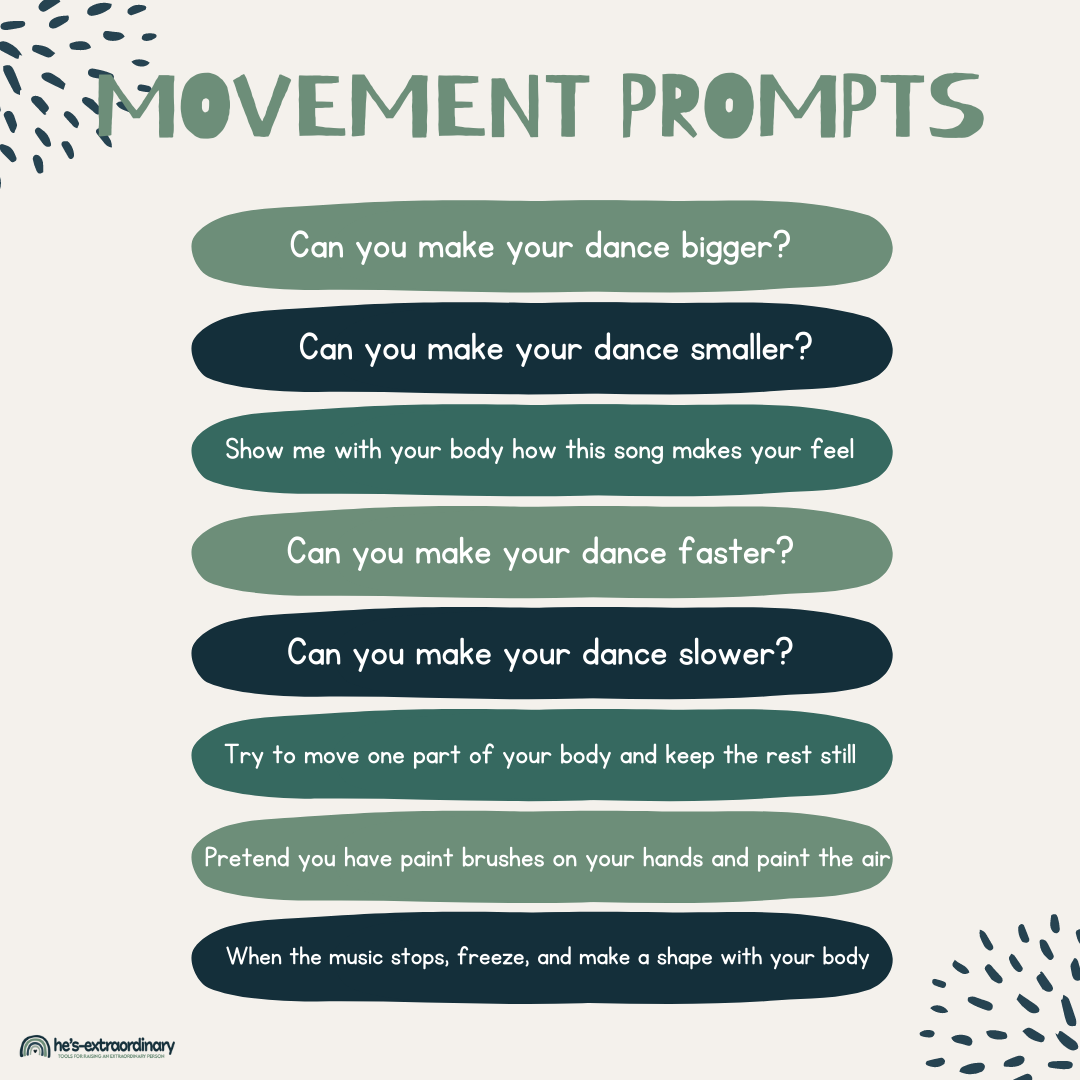
So, how do we ensure that dance remains a joyful experience rather than a source of stress? The answer lies in flexibility and choice. Offering a variety of dance styles, from gentle stretching to more energetic movements, allows individuals to find what feels right for them. Incorporating props, such as scarves or ribbons, can add a tactile element that enhances the experience. And most importantly, creating a judgment-free zone where mistakes are celebrated as part of the learning process can make all the difference.
A Final Thought: Dance as a Celebration of Individuality
In a world that often demands conformity, dance offers a rare opportunity to celebrate individuality. For autistic individuals, it’s a way to express themselves without words, to connect with others without pressure, and to find joy in movement without rules. It’s a reminder that everyone has their own rhythm, their own way of moving through the world, and their own unique way of dancing.
So, the next time you see someone swaying to music in a way that feels different, pause for a moment. Instead of assuming they’re just “being silly,” consider the possibility that they’re communicating, processing, or simply finding their own kind of joy. Dance, after all, is more than just steps and music—it’s a language of the body, a celebration of movement, and a testament to the power of self-expression.
And perhaps, in that moment, you’ll find yourself dancing too—not because you have to, but because it feels good to move, to connect, and to celebrate the beauty of being exactly who you are.