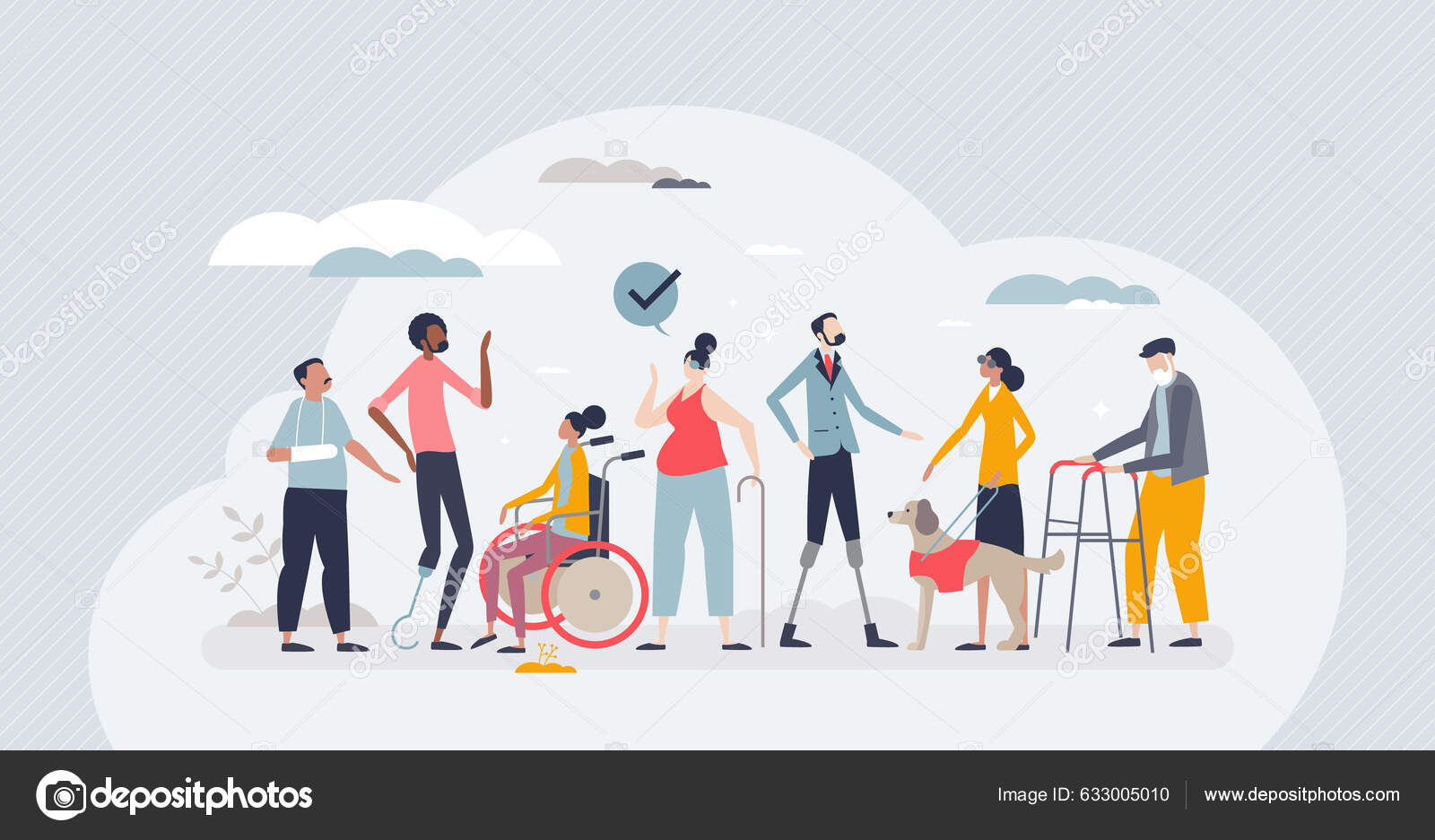
The Americans with Disabilities Act (ADA), enacted in 1990, stands as a monumental achievement in the quest for civil rights, reshaping societal perceptions and dismantling barriers for millions. Among its most profound impacts is the recognition and accommodation of neurodivergent individuals, particularly those with autism. While the ADA’s influence is often discussed in terms of physical accessibility—ramps, elevators, and signage—its role in fostering inclusivity for autistic individuals is equally transformative, if less visibly celebrated. The law’s provisions have not only mandated structural changes but have also catalyzed a cultural shift, compelling workplaces, educational institutions, and public spaces to reconsider how they engage with neurodiversity. This evolution reflects a deeper societal reckoning with the nuances of disability, where the law serves as both a mirror and a catalyst for progress.
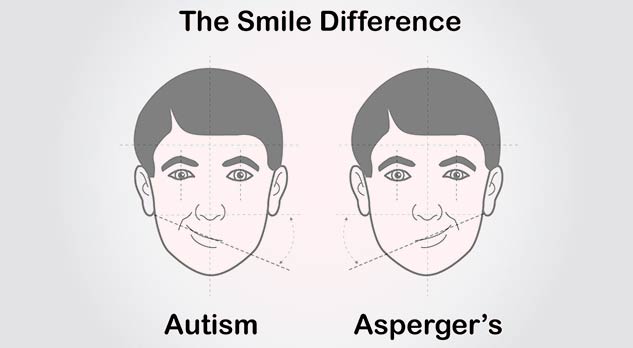
Autism, a complex neurodevelopmental condition characterized by differences in social communication, sensory processing, and behavioral patterns, presents unique challenges within the framework of the ADA. Unlike visible disabilities, autism often operates in the shadows of public consciousness, its manifestations misunderstood or overlooked. The ADA’s broad definition of disability—encompassing physical and mental impairments that substantially limit major life activities—has been instrumental in bringing autism into the legal and social spotlight. Yet, the journey from legal recognition to meaningful inclusion remains fraught with complexities, revealing the law’s strengths and limitations in addressing the lived experiences of autistic individuals.
The ADA’s Legal Framework: A Beacon for Autistic Rights
The ADA’s architecture is built on five titles, each addressing different facets of accessibility and equality. Title I, which prohibits discrimination in employment, has been particularly pivotal for autistic individuals. Before the ADA, workplaces could legally exclude or marginalize employees based on stereotypes or unfounded assumptions about their capabilities. Today, employers are required to provide reasonable accommodations—such as flexible schedules, noise-canceling headphones, or modified communication methods—that enable autistic individuals to thrive. These accommodations are not mere concessions; they are acknowledgments of the diverse ways in which people interact with their environments.
Yet, the application of Title I is not without contention. The concept of “reasonable accommodation” is inherently subjective, often leading to disputes over what constitutes undue hardship for an employer. For autistic individuals, this ambiguity can translate into unequal access to opportunities. A job that requires frequent team meetings may be untenable for someone with sensory sensitivities, while a role with structured, solitary tasks could be an ideal fit. The ADA’s flexibility, while a strength, also demands vigilance from both employers and employees to ensure that accommodations are not reduced to performative gestures but are instead tailored to individual needs.
Education and the ADA: Bridging Gaps in Inclusive Learning
Title II and Title III of the ADA extend its protections to public entities and private businesses, respectively, with significant implications for education. Schools, as public entities, are required to provide equal access to educational opportunities for students with disabilities, including those with autism. This mandate has driven the adoption of Individualized Education Programs (IEPs) and 504 Plans, which outline specific accommodations for autistic students. From sensory-friendly classrooms to assistive technologies, these tools have the potential to transform educational experiences. However, the reality is often uneven. Underfunded school districts may struggle to implement accommodations effectively, leaving some autistic students without the support they need to succeed.
The ADA’s influence in education also extends to higher learning institutions, where autistic students often encounter a lack of understanding from faculty and peers. Universities are increasingly recognizing the need for autism-specific resources, such as social skills workshops or quiet study spaces. Yet, the transition from secondary to postsecondary education can be jarring, as the ADA’s protections shift from a system of mandated services to one of equal access. This shift places a greater burden on autistic students to advocate for themselves, highlighting the need for institutions to proactively foster inclusive environments rather than relying on legal compliance as a checkbox.

Public Spaces and Sensory Considerations: Redefining Accessibility
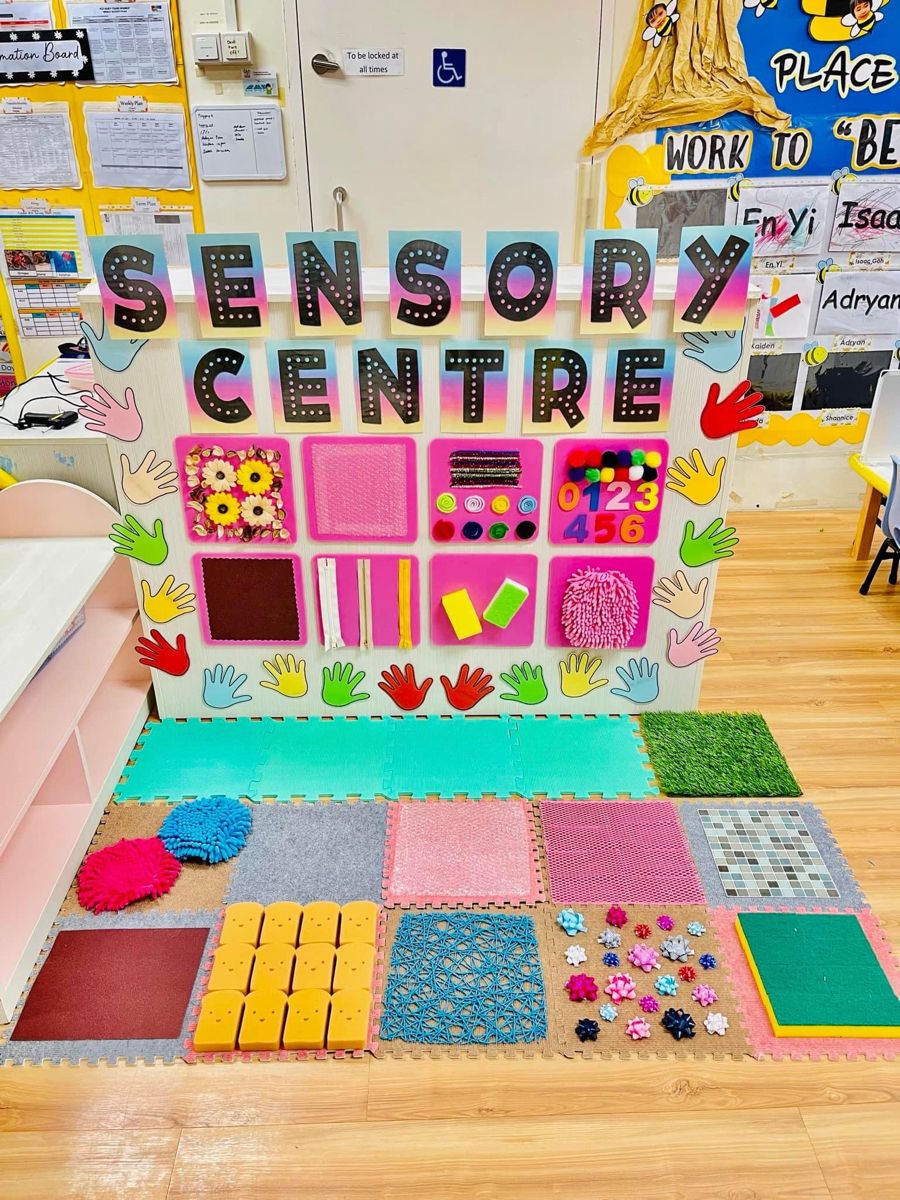
The ADA’s impact on public spaces is perhaps most visible in its physical manifestations—ramps, elevators, and Braille signage. Yet, for autistic individuals, accessibility extends beyond the tangible. Sensory-friendly design, a concept gaining traction in recent years, acknowledges the overwhelming nature of stimuli like fluorescent lighting, loud noises, or crowded environments. Museums, theaters, and even retail spaces are beginning to adopt sensory-friendly hours or quiet zones, recognizing that accessibility is not a one-size-fits-all endeavor. These adaptations are not just about compliance; they reflect a growing awareness that the built environment can either exacerbate or alleviate the challenges faced by neurodivergent individuals.
However, the implementation of sensory-friendly design is still in its infancy. Many public spaces remain ill-equipped to accommodate the diverse sensory needs of autistic individuals. The ADA’s focus on physical accessibility, while necessary, has not fully addressed the nuanced ways in which environments can be adapted to support neurodiversity. This gap underscores the need for a more holistic approach to accessibility, one that integrates sensory considerations into the design of public spaces from the outset, rather than retrofitting them as an afterthought.
The Cultural Shift: From Awareness to Acceptance
The ADA’s legacy is not merely legal; it is cultural. The law has played a pivotal role in shifting public perceptions of disability, moving the conversation from pity to empowerment. For autistic individuals, this shift has been particularly transformative. The rise of neurodiversity advocates, who argue that autism is a variation of human neurology rather than a defect to be cured, has gained momentum in part due to the legal protections afforded by the ADA. This perspective challenges societal norms that prioritize conformity, instead celebrating the unique strengths and perspectives that autistic individuals bring to the table.
Yet, cultural change is slow, and the ADA’s influence is not universally felt. Stigma persists, often manifesting in subtle ways—such as the assumption that autistic individuals lack empathy or the expectation that they must “mask” their traits to fit in. These attitudes reveal the deeper work that remains to be done. The ADA has laid the groundwork for inclusion, but it is up to society to build upon that foundation, fostering environments where autistic individuals are not just accommodated but valued for their contributions.
The Future of the ADA: Evolving with Neurodiversity
As our understanding of autism evolves, so too must the ADA. The law’s current framework, while groundbreaking, was designed with a limited understanding of neurodiversity. Future amendments or interpretations of the ADA could address gaps in areas like digital accessibility, where autistic individuals may face barriers in online communication or virtual workplaces. Additionally, the ADA’s focus on individual accommodations may need to expand to include systemic changes, such as universal design principles that benefit all users, not just those with diagnosed disabilities.
The ADA’s journey is far from over. Its greatest strength lies in its adaptability, a testament to the foresight of its creators. Yet, its continued relevance depends on our collective willingness to confront the complexities of disability with empathy and innovation. For autistic individuals, the ADA represents more than a legal document; it is a promise of possibility, a reminder that the world can—and must—be made accessible to all.
The path forward is not without obstacles, but the ADA has already proven that progress is possible. The question now is whether we will seize the opportunity to build a society that not only accommodates difference but celebrates it. The answer lies in our actions, not just our laws.