In the heart of East Asia, where ancient traditions and rapid modernization collide, China’s approach to autism care and understanding has evolved into a fascinating tapestry of contrasts. The Middle Kingdom, with its millennia-old philosophical roots and lightning-fast technological advancements, offers a unique lens through which to examine how societies grapple with neurodiversity. From the quiet whispers of Confucian filial piety to the hum of AI-driven diagnostic tools, the journey of autism in China is not merely a medical narrative—it is a cultural odyssey, one that reflects broader societal shifts, policy transformations, and the relentless pursuit of harmony between past and future.
This exploration delves into the multifaceted landscape of autism in China, dissecting the traditional paradigms that once defined care and the modern innovations reshaping them. It examines the psychological undercurrents, the policy frameworks, the grassroots movements, and the technological breakthroughs that collectively paint a picture of a nation in transition. Whether you are a parent seeking guidance, a professional navigating the healthcare system, or simply a curious observer of societal evolution, this narrative offers a comprehensive guide to understanding autism in contemporary China.
The Historical Tapestry: Traditional Perceptions and Early Responses
For centuries, autism as a concept did not exist in China’s lexicon. Instead, behaviors now associated with autism spectrum disorder (ASD) were often subsumed under broader categories of intellectual disability, mental illness, or even moral failings. Confucian ideals of filial piety, which prioritize familial duty and social harmony, cast a long shadow over how neurodivergent individuals were perceived. Children exhibiting atypical behaviors—such as social withdrawal, repetitive movements, or delayed speech—were frequently shrouded in stigma, their differences viewed as a reflection of familial shame rather than a neurological variance.
Traditional Chinese medicine (TCM) offered its own interpretations, attributing such behaviors to imbalances in the body’s vital energy, or *qi*. Treatments ranged from herbal remedies to acupuncture, often administered in conjunction with spiritual rituals aimed at appeasing ancestral spirits or expelling malevolent forces. While some of these practices lacked empirical validation, they underscored an important truth: autism was not ignored, but rather interpreted through a cultural lens that emphasized holistic balance over mechanistic diagnosis.

The 20th century brought gradual shifts. As China opened to global influences, Western psychological frameworks began to infiltrate academic and medical circles. The term “autism” entered the Chinese lexicon in the 1980s, initially as a clinical diagnosis imported from abroad. However, the translation itself—*zizhuxing fazhanguozheng* (自主性发育障碍), meaning “self-contained developmental disorder”—reflects a linguistic and cultural negotiation, one that still grapples with the nuances of neurodiversity.
Policy Paradigms: From Silence to Systematic Support
The evolution of autism policy in China mirrors the nation’s broader social and political transformations. For decades, autism remained a silent issue, overshadowed by more pressing public health concerns such as infectious diseases and malnutrition. It wasn’t until the early 2000s that autism began to garner official attention, catalyzed by advocacy from parents, NGOs, and international organizations. The landmark moment arrived in 2006, when the Chinese government included autism in its first national disability survey, signaling a tentative acknowledgment of its prevalence.
Yet, the path to systemic support has been fraught with challenges. The 2016 *Law on the Protection of Persons with Disabilities* marked a turning point, mandating inclusive education and vocational training for individuals with disabilities, including those on the autism spectrum. However, implementation remains inconsistent, particularly in rural areas where resources are scarce and awareness is low. Urban centers like Beijing, Shanghai, and Guangzhou have become hubs for autism services, boasting specialized schools, therapy centers, and parent support groups, while rural communities often rely on outdated institutions or familial care.
The government’s push for “social governance” has also led to the proliferation of public-private partnerships, where NGOs collaborate with local authorities to provide early intervention programs. These initiatives, though laudable, are often fragmented, with disparities in funding, training, and accessibility. The concept of *shehui zhiyuan* (社会志愿), or “social volunteering,” has emerged as a cultural mechanism to bridge gaps, encouraging community involvement in autism support—a modern twist on traditional communal responsibility.
Therapeutic Evolution: Bridging East and West
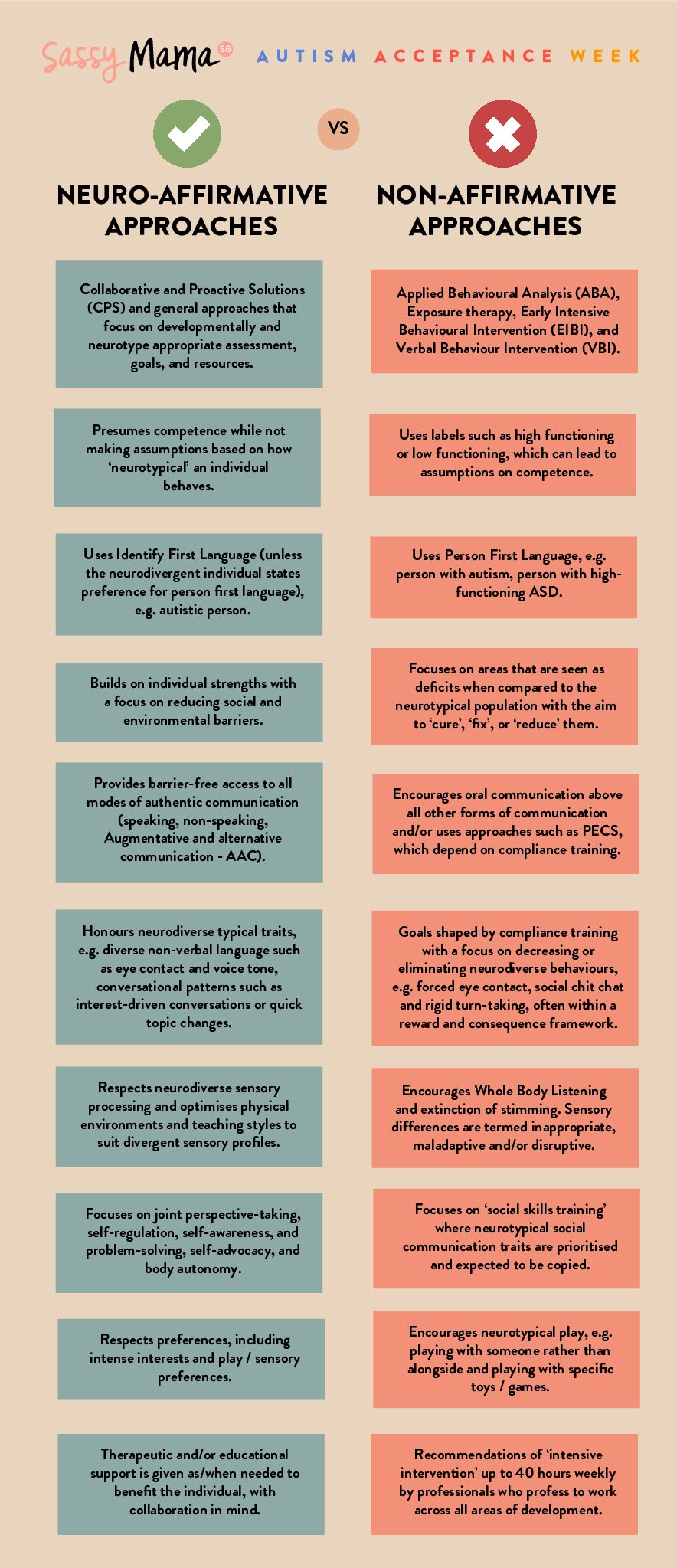
The therapeutic landscape for autism in China is a dynamic fusion of imported Western methodologies and indigenous adaptations. Applied Behavior Analysis (ABA), a cornerstone of Western autism intervention, has gained traction in urban centers, particularly among affluent families who can afford private therapy. However, its dominance is not without controversy. Critics argue that ABA’s rigid behavioral modification techniques clash with Chinese cultural values, which prioritize collectivism and emotional restraint over individualistic reinforcement.
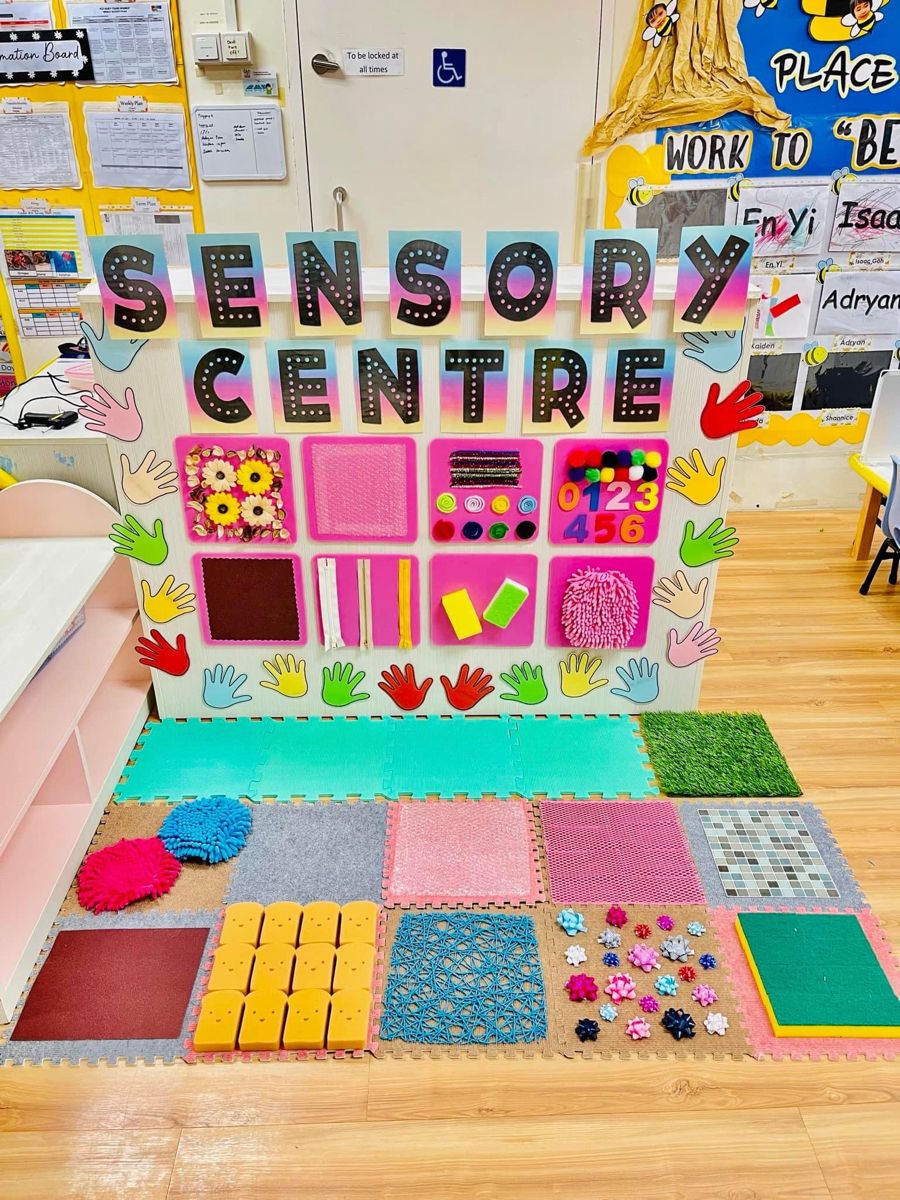
In response, hybrid models have emerged, blending ABA with traditional Chinese pedagogical techniques. For instance, *play therapy* infused with Confucian principles of harmony and respect has gained popularity, emphasizing group activities and cooperative learning over one-on-one drills. Similarly, sensory integration therapy, often paired with TCM-based sensory exercises, reflects a holistic approach that aligns with China’s emphasis on bodily equilibrium.
Another innovative trend is the integration of *mindfulness* and *meditative practices* into autism therapy. Drawing from Buddhist and Daoist traditions, these techniques aim to cultivate emotional regulation and reduce anxiety, offering a culturally resonant alternative to cognitive-behavioral therapy (CBT). The rise of *qigong* and *tai chi* as therapeutic tools underscores a broader cultural willingness to explore ancient practices through a modern lens.
Technological Frontiers: AI, Apps, and the Digital Revolution
China’s reputation as a global leader in technology has not bypassed the autism community. The digital revolution has ushered in a wave of innovations designed to democratize access to diagnosis, therapy, and support. AI-powered diagnostic tools, such as those developed by Chinese tech giants, leverage machine learning to detect early signs of autism in children, often with greater accuracy than traditional observational methods. These tools are particularly transformative in rural areas, where specialist access is limited.
Mobile applications have also flourished, offering everything from social skills training to emotional regulation exercises. Apps like *Autism Mate* and *SocialBuddy* provide gamified learning experiences, blending Western cognitive training with Chinese linguistic and cultural elements. For parents, platforms like *Autism China* offer virtual communities where they can share resources, seek advice, and advocate for policy changes—all within a culturally attuned digital ecosystem.
The rise of *telemedicine* has further bridged gaps, enabling remote consultations with autism specialists. In a country where healthcare disparities are stark, these digital solutions represent a quiet revolution, one that empowers families to take control of their children’s development without geographical constraints. Yet, challenges persist, including data privacy concerns and the digital divide, which disproportionately affects low-income families.
Cultural Shifts: From Stigma to Advocacy
The most profound transformation in China’s autism narrative is the gradual erosion of stigma and the rise of grassroots advocacy. For generations, families of autistic children endured isolation, their struggles hidden behind closed doors. Today, a growing number of parents are stepping into the public sphere, challenging societal norms and demanding inclusion. The *Autism Speaks China* movement, though controversial for its ties to Western organizations, has played a role in amplifying voices and pushing for legislative reforms.
Art and media have become powerful vehicles for change. Films like *Notes on Blindness* and *The Reason I Jump*—both of which have resonated deeply in China—have sparked conversations about neurodiversity, challenging audiences to see autism not as a deficit but as a unique way of experiencing the world. Meanwhile, local initiatives such as *Autism Art Festivals* showcase the creative talents of autistic individuals, fostering a sense of pride and visibility.
The concept of *tolerance* (*baorong*, 包容) has evolved into *acceptance* (*jieshou*, 接受), reflecting a deeper cultural shift. Schools are increasingly adopting inclusive policies, though implementation varies widely. Employers, too, are beginning to recognize the value of neurodiverse talent, with tech companies like Tencent and Alibaba launching autism employment programs that leverage strengths such as pattern recognition and attention to detail.
The Road Ahead: Challenges and Opportunities
Despite progress, China’s autism landscape remains a work in progress. The most pressing challenge is the urban-rural divide, where access to early intervention and specialized education is starkly unequal. Policy fragmentation, inconsistent training for educators, and a shortage of qualified professionals further complicate the landscape. Additionally, the pressure to conform to societal expectations—particularly around academic and professional success—can lead to undue stress on autistic individuals and their families.
Yet, the opportunities are equally compelling. China’s rapid technological advancement, its emphasis on social governance, and its cultural reverence for tradition present a fertile ground for innovation. The fusion of ancient wisdom and modern science could yield groundbreaking approaches to autism support. Moreover, the growing recognition of neurodiversity as a strength—rather than a limitation—aligns with China’s broader goals of building a harmonious, inclusive society.
As China continues to navigate the complexities of modernization, its approach to autism serves as a microcosm of its larger societal evolution. It is a story of resilience, adaptation, and the relentless pursuit of balance—between tradition and innovation, between individual needs and collective responsibility, between silence and advocacy. In this narrative, autism is not merely a medical condition but a mirror reflecting the soul of a nation in transition.
The journey is far from over. But with each step forward, China is not just changing the lives of autistic individuals—it is redefining what it means to belong in a rapidly evolving world.