What if the next generation of neurodivergent minds could rewrite the rules of innovation, empathy, and human connection? As societal attitudes toward autism evolve, so too does the promise of a future where neurodiversity isn’t just accepted but celebrated. Yet, beneath the optimism lies a pressing question: Are we truly preparing the next generation to thrive in a world that still struggles to understand them? The journey ahead is fraught with both exhilarating possibilities and formidable challenges, demanding a reimagining of education, workplace integration, and societal support systems.
Autism, once shrouded in misconceptions, is now being viewed through a lens of potential rather than limitation. The next generation of autistic individuals—whether diagnosed early or later in life—stands at the precipice of a transformative era. Advances in early intervention, assistive technologies, and inclusive policies are paving the way for a more accommodating world. But how do we ensure these strides translate into tangible opportunities for growth, independence, and fulfillment? The answer lies in dismantling outdated barriers while fostering environments that nurture the unique strengths of neurodivergent minds.
The Evolution of Autism Awareness: From Stigma to Strength
The narrative surrounding autism has undergone a seismic shift over the past few decades. Gone are the days when it was solely defined by deficits; today, it is increasingly recognized as a spectrum of cognitive diversity with its own set of advantages. Research has illuminated the remarkable abilities of autistic individuals—from hyperfocus and pattern recognition to unparalleled honesty and deep expertise in niche subjects. Yet, this newfound appreciation is not universally shared. In many communities, outdated stereotypes persist, casting a shadow over the potential of neurodivergent individuals.
Consider the workplace, where autistic employees often grapple with sensory overload, social nuances, or rigid communication styles. While some companies have embraced neurodiversity hiring initiatives, others remain hesitant, viewing accommodations as burdens rather than investments. The challenge? Bridging the gap between awareness and action. How can we cultivate a culture where neurodivergent individuals are not just tolerated but empowered to contribute meaningfully? The answer may lie in redefining success—not by conformity, but by leveraging the distinct perspectives that autistic minds bring to the table.
Education in Flux: Redefining Learning for Neurodivergent Minds
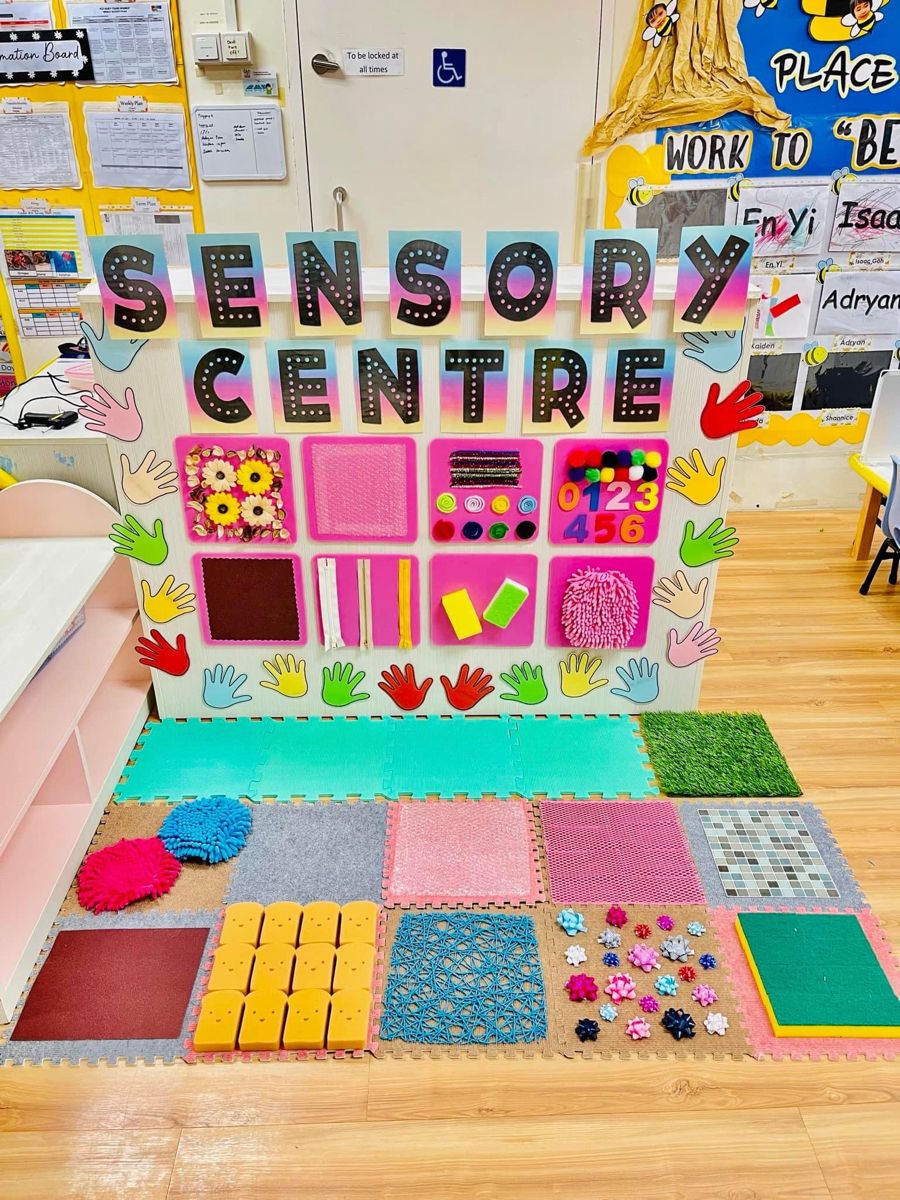
Schools are the crucibles where the next generation’s potential is either nurtured or stifled. For autistic students, traditional educational models often fall short, prioritizing rote learning over experiential, sensory-friendly approaches. Yet, innovative programs are emerging, tailored to the cognitive and emotional needs of neurodivergent learners. From sensory-friendly classrooms to project-based learning that capitalizes on special interests, these adaptations are proving that neurodiversity can be an asset in education.
Imagine a classroom where a student’s intense focus on dinosaurs becomes the foundation for a cross-disciplinary unit spanning history, biology, and even creative writing. Or where social skills are taught not through forced eye contact but through collaborative projects that emphasize mutual respect. The key lies in flexibility—shifting away from one-size-fits-all instruction toward personalized learning pathways. But the road is not without obstacles. Budget constraints, teacher training gaps, and resistance to change can stymie even the most well-intentioned reforms. How do we ensure that every neurodivergent student has access to an education that unlocks their potential rather than confines it?
The Workplace of Tomorrow: Where Neurodiversity Drives Innovation
The modern workplace is a battleground of competing demands—efficiency, creativity, and adaptability. Neurodivergent individuals, with their unique cognitive profiles, are poised to excel in roles that demand precision, analytical thinking, or out-of-the-box problem-solving. Yet, the corporate world remains largely designed for neurotypical minds, leaving many autistic professionals struggling to fit in. The solution? A paradigm shift in how we structure work environments.
Companies like SAP, Microsoft, and JPMorgan Chase have pioneered neurodiversity hiring programs, recognizing that autistic employees often outperform their peers in roles requiring attention to detail or repetitive tasks. But true inclusion extends beyond hiring—it requires cultural change. Flexible work arrangements, clear communication protocols, and sensory-friendly office designs can make a world of difference. The challenge, however, is ensuring these practices are adopted universally, not just in progressive enclaves. How can we convince industries steeped in tradition to embrace a more inclusive model? The answer may lie in quantifiable benefits: studies show that neurodiverse teams can boost productivity by up to 30%. The business case is clear—now, the cultural shift must follow.

Technology as a Bridge: The Role of Assistive Tools and AI
In an era where technology permeates every facet of life, it has become an indispensable ally for neurodivergent individuals. Assistive tools—from speech-generating devices to social skills apps—are breaking down barriers that once seemed insurmountable. Artificial intelligence, too, is playing a transformative role, offering personalized learning experiences and real-time social coaching. Yet, the digital divide remains a stark reality. Not all families or educational institutions have access to these resources, exacerbating inequalities.
Consider the potential of AI-driven platforms that adapt to an individual’s learning style, or virtual reality environments that simulate social scenarios in a low-pressure setting. These innovations hold the promise of leveling the playing field, but only if they are made widely accessible. The challenge? Ensuring that technology serves as a bridge rather than a divider. How do we prevent a future where neurodivergent individuals are left behind in the digital revolution? The answer lies in policy advocacy, public-private partnerships, and a commitment to equitable access.
The Social Fabric: Building Communities of Acceptance
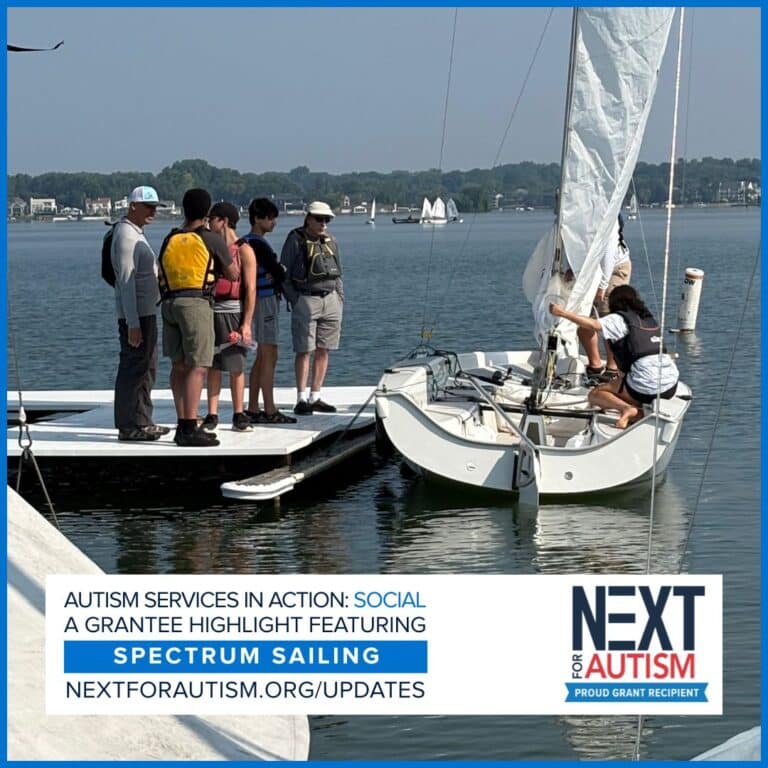
Beyond education and employment, the next frontier for neurodiversity lies in the realm of social acceptance. Autistic individuals often face isolation, bullying, or exclusion from peer groups, a reality that can have lasting emotional and psychological effects. The antidote? Communities that celebrate differences rather than stigmatize them. From inclusive recreational programs to advocacy groups led by neurodivergent individuals, these spaces are fostering a sense of belonging.
Imagine a world where social events are designed with sensory sensitivities in mind—where loud noises are optional, and clear communication is prioritized. Where neurodivergent individuals are not pitied but celebrated for their unique contributions. The challenge, however, is systemic. Changing societal attitudes requires more than awareness campaigns; it demands a cultural reckoning with our definitions of normalcy and success. How do we shift the narrative from one of tolerance to one of celebration? The answer may lie in amplifying the voices of neurodivergent individuals themselves, ensuring they lead the conversations about their futures.
Looking Ahead: A Future of Uncharted Potential
The path forward is not without its hurdles, but the momentum is undeniable. The next generation of neurodivergent individuals is poised to redefine what it means to live, learn, and work in a diverse world. The key to unlocking this potential lies in collective action—advocates, educators, employers, and policymakers must collaborate to create environments that nurture rather than constrain. The future of neurodiversity is not a distant dream; it is a tangible reality, waiting to be shaped by those willing to challenge the status quo.
As we stand on the brink of this new era, one thing is clear: the next generation will not be defined by their differences but by the unique strengths they bring to the world. The question is no longer whether society can afford to embrace neurodiversity—it is whether it can afford not to.