Autism Spectrum Disorder (ASD) is a complex neurodevelopmental condition characterized by a diverse range of symptoms, challenges, and abilities. As research has burgeoned over the past few decades, our understanding of autism has evolved, providing immense insights and altering our perceptions. Rather than viewing autism through a singular lens, modern research encourages a multifaceted examination that celebrates the spectrum of experiences faced by individuals with ASD. This article delves into groundbreaking research insights that not only shift perspectives but also pique curiosity about the autistic experience.
1. The Biological Underpinnings: Genes and Neurodevelopment
At the core of autism research lies an exploration into the biological mechanisms that contribute to its manifestation. Genetic studies have unveiled a plethora of genes implicated in ASD, fostering an understanding that autism arises not from a single gene but rather a consortium of genetic mutations. These genes (such as those involved with synapse formation, immune response, and brain development) might intersect with environmental factors, creating a unique tapestry of each individual’s neurodevelopment. Research indicates that early interventions can significantly alter neurodevelopmental trajectories, suggesting that understanding these biological underpinnings could lead to promising therapeutic approaches.
2. The Diversity of the Spectrum: A Multidimensional Approach
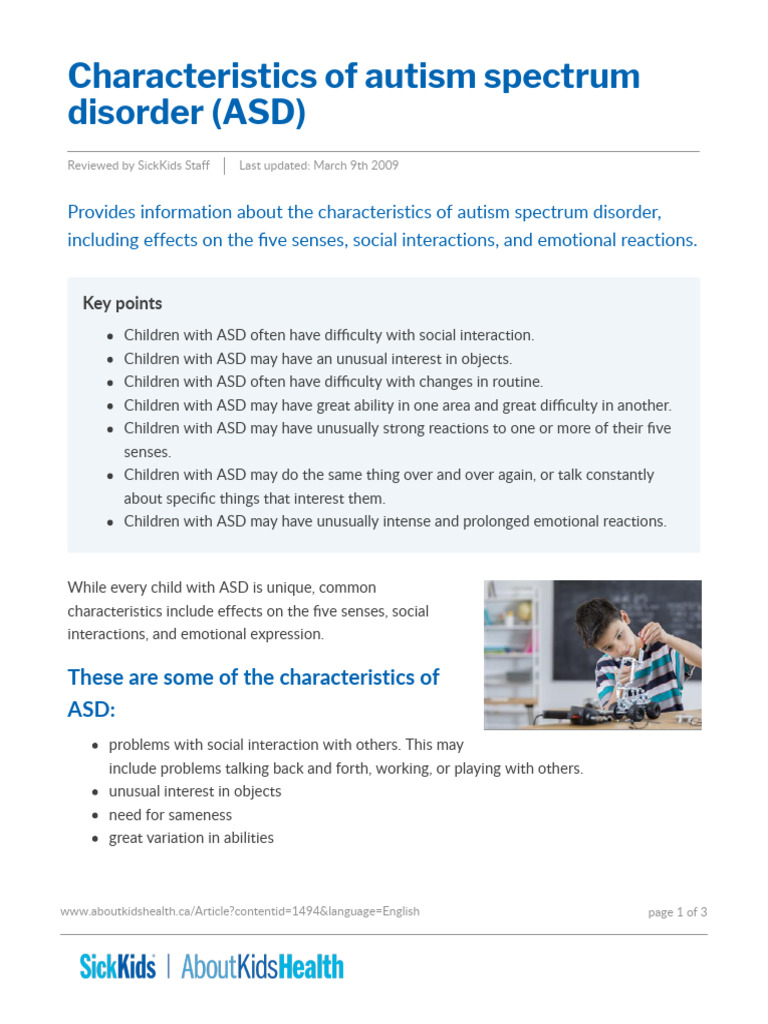
The notion of a spectrum is critical in discussions surrounding autism. Not every individual with ASD experiences the same challenges or exhibits the same abilities. Research shows that cognitive function can vary widely among those on the spectrum; some individuals may have exceptional skills in areas like mathematics, music, or memory, while others may struggle with basic daily tasks. This diversity underscores the importance of personalized approaches in education, therapy, and support systems. Recognition of the unique contributions of autistic individuals can reshape societal views, fostering an inclusive environment where varied talents are celebrated.
3. The Intersection with Sensory Processing
A significant aspect of autism research revolves around sensory processing differences that often accompany the condition. Many autistic individuals report heightened or diminished sensitivity to sensory stimuli—such as sounds, lights, textures, and tastes. Some studies have commenced to elucidate the neurobiological mechanisms underlying these differences, offering insights that could lead to improved sensory integration therapies. This burgeoning area of research calls for greater attention to sensory environments, ultimately advocating for adjustments in both educational settings and public spaces to accommodate sensory sensitivities.
4. The Role of The Gut-Brain Axis
One of the more tantalizing areas of recent research is the gut-brain axis and its potential connection to autism. Emerging evidence suggests that gut microbiota may influence neurological development and behavior. Studies indicate that alterations in gut flora can correlate with ASD symptoms. While more research is necessary, this intersection of gastroenterology and neuroscience opens the door to alternative treatment strategies, ranging from tailored dietary interventions to probiotic therapies. This perspective fosters curiosity about the broader implications of our gut health on mental wellness and neurodevelopment.
5. Innovations in Communication: AAC and Beyond
Communication difficulties are common among individuals with autism, spotlighting the need for innovative solutions. Augmentative and Alternative Communication (AAC) systems have gained traction in aiding those who struggle with verbal communication. Current research highlights the effectiveness of technology, such as speech-generating devices and applications, in empowering autistics to convey their thoughts and feelings. This evolution in communication not only assists individuals in their everyday interactions but also cultivates a greater understanding of their internal experiences, thereby enriching their social relationships.
6. The Importance of Early Intervention
Research consistently highlights the significance of early diagnosis and intervention in autism. Intervening in the early years can drastically improve the long-term outcomes for individuals on the spectrum, impacting their social skills, academic potential, and overall quality of life. Studies suggest that therapies focusing on behavioral, cognitive, and speech improvements yield substantial benefits. Understanding autism as a developmental condition necessitates vigilance and prompt action, reinforcing the idea that early identification can pave the way for transformative growth and independence.
7. A Paradigm Shift: Neurodiversity
The concept of neurodiversity has emerged as a crucial cornerstone in contemporary discussions about autism. Rather than viewing autism solely as a disorder requiring treatment, neurodiversity encourages acceptance of neurological variations as part of the natural human spectrum. This shift in paradigm advocates for the inclusion of autistic voices in research and policies, promoting self-advocacy and community belonging. Embracing neurodiversity not only fosters personal empowerment but also cultivates a society where differences are not just tolerated but celebrated.
8. Future Directions: Global Perspectives in Autism Research
Global initiatives in autism research aim to understand how cultural, social, and environmental contexts influence the autism experience. Differences in diagnostic criteria, service availability, and public perception across regions can dramatically affect outcomes for individuals on the spectrum. By examining autism research through a global lens, new strategies can be developed to support and uplift autistic individuals, transcending cultural boundaries and creating a unified approach to understanding and celebrating neurodiversity.
In conclusion, the field of autism research is rapidly expanding, providing layers of understanding that challenge conventional views. As we peel back the complexities of autism, we are reminded of the importance of diversity, inclusion, and innovation. Embracing these insights can shape a more compassionate world, one where the often-misunderstood spectrum is viewed as a profound tapestry of human experience, unlocking unprecedented curiosity about the capabilities and validity of each unique individual on the spectrum.