Autism Spectrum Disorder (ASD) is a complex neurodevelopmental condition characterized by a range of symptoms and challenges in social interaction, verbal and nonverbal communication, and restricted or repetitive behaviors. Considering the multifaceted nature of autism, how can one ensure a timely and accurate diagnosis? This inquiry introduces a significant challenge, as the diagnosis of autism is often nuanced and fraught with misconceptions.
Understanding autism is akin to deciphering a puzzle, where each piece represents different facets of behavior and development. An early diagnosis is critical because it opens the door for interventions that can significantly improve an individual’s quality of life. Yet, many parents and caregivers may be left grappling with uncertainty in the face of evolving information and varying professional opinions.
The Importance of Early Detection
Why is early detection of autism such a cornerstone of effective intervention? Research has consistently demonstrated that the earlier a child is diagnosed and receives appropriate support, the greater the likelihood of positive outcomes. Early interventions may target communication skills, social skills, and behavioral issues, which can considerably alter the trajectory of a child’s development.
In the US, the Centers for Disease Control and Prevention (CDC) estimates that 1 in 44 children has been identified with ASD. The seeds of awareness blossoming into advocacy have led to educational campaigns that encourage parents to monitor developmental milestones closely. However, the challenge lies in recognizing the oft-subtle signs of autism that differ from those of typical child development.
Recognizing the Signs of Autism
Parents are uniquely positioned to observe their child’s growth, but some behavioral indicators may escape casual observation. Signs of autism can manifest in various ways, including:
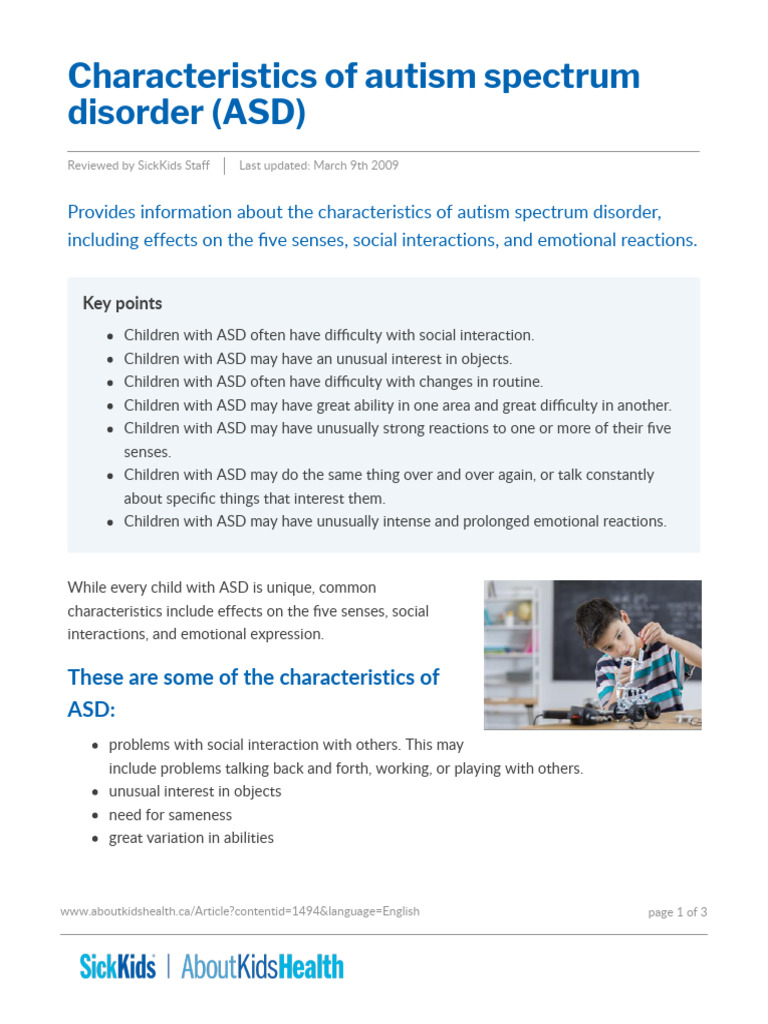
- Social Interaction: Difficulty making eye contact, challenges in forming peer relationships, or lack of interest in shared activities.
- Communication: Delays in spoken language, the absence of typical gestures such as pointing, or the use of repetitive phrases and echolalia.
- Behavioral Patterns: Engagement in repetitive movements, extreme adherence to routines, or intense interests in specific topics.
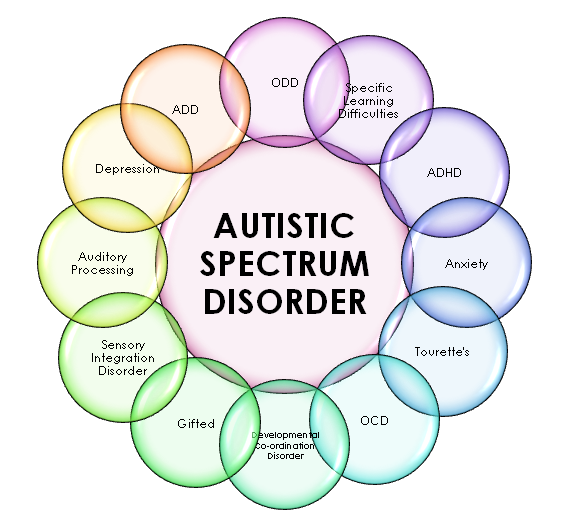
This constellation of symptoms can sometimes overlap with other developmental disorders, making an accurate diagnosis elusive. The interplay of these signs further complicates the assessment process, as individual children may present differently.
Diagnostic Tools and Criteria
Diagnosis typically hinges on comprehensive assessments that leverage various standardized tools. The American Psychiatric Association’s Diagnostic and Statistical Manual of Mental Disorders (DSM-5) outlines a criteria-based framework for diagnosing autism. The criteria include persistent deficits in social communication and interaction, along with restricted and repetitive patterns of behavior, interests, or activities.
However, practitioners often utilize detailed approaches for evaluation. Common methods include:
- Developmental Screening: Brief questionnaires or checklists, such as the Ages and Stages Questionnaire (ASQ), can flag potential developmental concerns during routine health visits.
- Comprehensive Diagnostic Evaluation: This multifaceted evaluation involves interviews, behavioral observations, and the use of specialized tests like the Autism Diagnostic Observation Schedule (ADOS).
Despite the availability of these tools, diagnosing autism can still be a labyrinthine process, illustrated by the variability in interpretations among clinicians. This variability can evoke anxiety in parents, prompting them to seek multiple opinions before arriving at a definitive diagnosis.
The Role of Multidisciplinary Teams
A collaborative approach is indispensable for accurate diagnosis and tailored intervention. Multidisciplinary teams typically comprise pediatricians, psychologists, speech therapists, and occupational therapists. Each professional contributes their unique expertise, creating a holistic profile of the child’s abilities and challenges.
Engaging with such a team can empower families to navigate the complex landscape of autism. Yet, assembling a cohesive support system can present its own challenge, particularly in areas where resources are limited or access to experienced professionals is restricted.
Intervention Strategies
Once a diagnosis is made, an array of intervention strategies can be customized to suit the individual’s unique needs. Common approaches include:
- Applied Behavior Analysis (ABA): A well-researched method focusing on altering behavior through reinforcement strategies.
- Speech Therapy: Targeting communication skills to improve both verbal and non-verbal interactions.
- Social Skills Training: Fostering better peer interactions and relationships through structured social exercises.
Establishing an individualized education plan (IEP) within the school system is often an essential next step. This ensures that children receive the support they require in educational settings, creating an environment conducive to their academic and social growth.
Conclusion
As families navigate the intricate waters of autism diagnosis and intervention, they encounter both opportunities and obstacles. Each child’s journey through autism is unique, and amidst the uncertainties lies a wealth of information, resources, and support. The question remains—how can caregivers turn the challenges of diagnosis into a pathway for compassion, understanding, and effective advocacy? Engaging fully with healthcare providers, educators, and other parents can ultimately illuminate the path forward.
Understanding autism is a collective responsibility, one that necessitates vigilance, compassion, and a commitment to lifelong learning. The journey may be complex, but the potential for improvement is limitless.