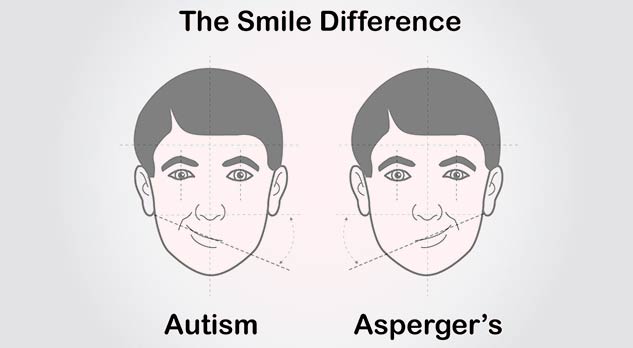
Understanding the intricate landscape of autism spectrum disorders (ASDs) necessitates a nuanced discussion, particularly when delineating between Autism and Asperger’s Syndrome. This exploration could shift your perspective on neurological diversity and its varying manifestations, piquing your curiosity about the complexities of human cognition and behavior.
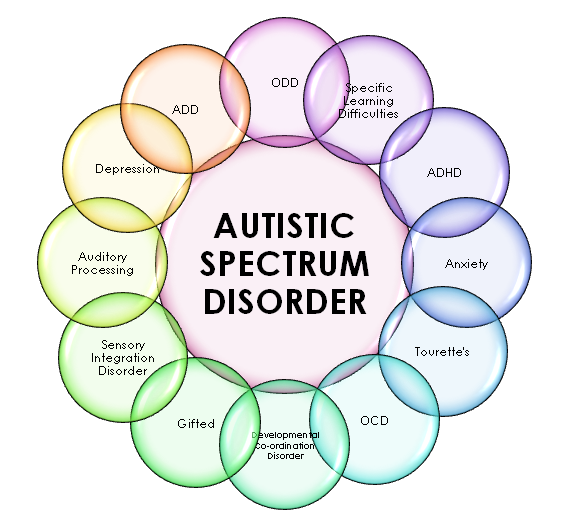
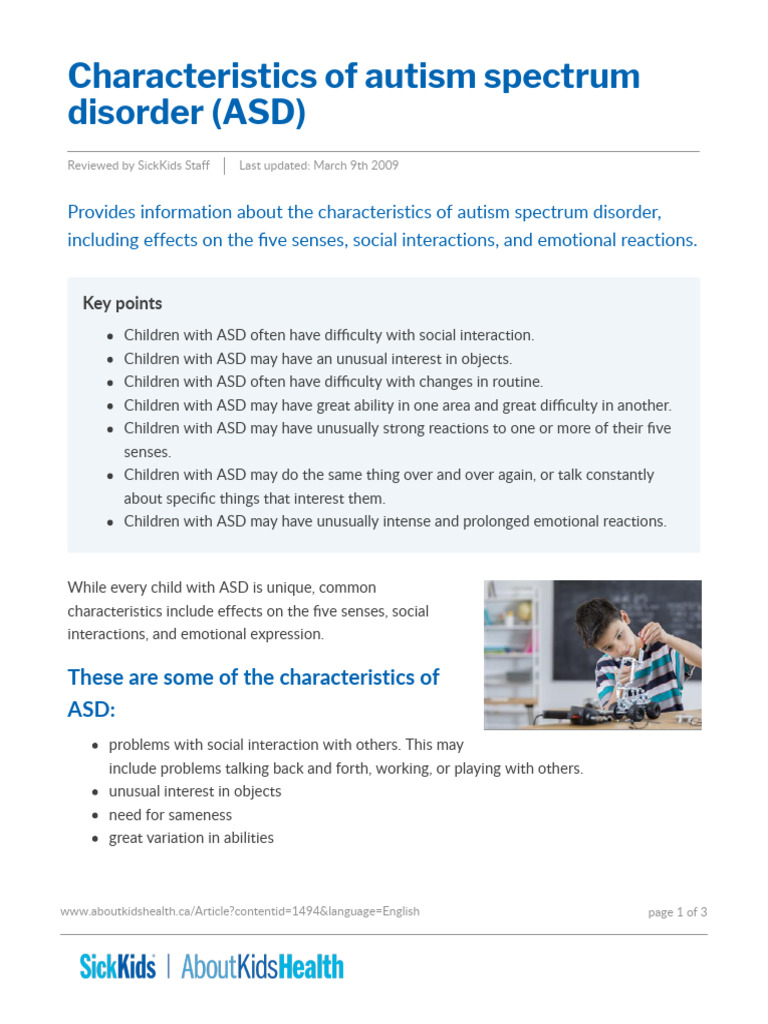
To fully appreciate the distinctions between these two conditions, it is imperative first to grasp the broader category of autism spectrum disorders. ASD encompasses a range of neurodevelopmental conditions characterized by challenges in social interaction, communication, and repetitive behaviors. Within this continuum, both Autism and Asperger’s Syndrome exhibit unique features, leading to the necessity for differential diagnosis.
The Evolution of Diagnostic Criteria
As the understanding of neurodevelopmental disorders has evolved, so too has the terminology used to classify them. Historically, Asperger’s Syndrome was recognized as a distinct disorder, set apart from classic autism due to its relatively milder symptoms. However, the fifth edition of the Diagnostic and Statistical Manual of Mental Disorders (DSM-5), published in 2013, subsumed Asperger’s within the broader diagnosis of Autism Spectrum Disorder. This change sparked vigorous debate within the medical and neurodiversity communities.
Despite the consolidation under the ASD umbrella, differentiating characteristics remain salient and impactful for individuals, families, and educators. Understanding these attributes elucidates the method by which practitioners may arrive at accurate diagnoses that can guide effective intervention strategies.
Key Characteristics: Autism vs. Asperger’s Syndrome
In considering the distinctive traits of Autism and Asperger’s Syndrome, it is essential to focus on three cornerstone areas: social interaction, communication, and behavioral patterns. Each domain encapsulates observations that may inform diagnostic decisions.
Social Interaction
Begin with social interaction, an arena where profound differences often emerge. Individuals with Autism may experience substantial difficulties in understanding social cues, often exhibiting limited reciprocation in social exchanges. They may struggle to interpret facial expressions or tone of voice, leading to challenges in forming peer relationships.
Conversely, those diagnosed with Asperger’s Syndrome typically possess an understandable degree of social awareness, albeit with distinct oddities. They may engage in extensive monologues about their areas of interest—be it trains, science fiction, or another passion—while struggling to initiate or maintain back-and-forth conversations. This peculiar social dynamic often leads to the impression that individuals with Asperger’s are socially awkward rather than entirely disengaged.
Communication Skills
Next, communication skills serve as another pivotal point in the differential diagnosis. Individuals with Autism may display delayed speech development or atypical linguistic patterns, including echolalia, where phrases are repeated verbatim. Their communicative efforts can be significantly limited, placing them at risk for social isolation.
In contrast, individuals with Asperger’s generally exhibit normal to above-average language development. They might engage in elaborate conversations, yet their communication style can be excessively formal or devoid of emotional nuance. While they may excel in verbose descriptions, the subtleties of pragmatic language—such as idiomatic expressions—may elude them.
Behavioral Patterns
The realm of repetitive behaviors and restricted interests further delineates these two conditions. Individuals with Autism may exhibit marked behavioral rigidity, displaying repetitive actions such as hand-flapping or rocking. Such behaviors can be soothing and often serve as coping mechanisms in response to sensory overload.
Asperger’s Syndrome, while often accompanied by intense interests, typically lacks the profound sensory sensitivities present in Autism. This allows individuals to channel their focus into specific subjects, often resulting in exceptional knowledge or skills. However, this intense focus may lead to social disconnection or academic obstacles when these interests dominate dialogue and interaction.
The Role of Environmental Influences
The interplay between environmental factors and neurodevelopmental disorders is particularly worth noting. Research indicates that various external stimuli—including family dynamics and educational environments—can profoundly shape the expression of symptoms. Given this reality, the age of diagnosis, treatment options, and support systems become integral elements in fostering positive outcomes.
Moving Beyond Misconceptions
Common misconceptions surrounding Autism and Asperger’s Syndrome perpetuate stigma and misunderstandings. A child’s inability to maintain eye contact or a teenager’s penchant for discussing obscure topics is frequently misconstrued as a lack of interest or intelligence. Adopting a more informed perspective encourages empathy and fosters inclusivity for those on the spectrum.
Moreover, recognizing the variability within the spectrum necessitates avoiding oversimplistic categorizations. Neurodiversity advocates urge society to celebrate differences and promote acceptance rather than focusing solely on deficits. Each individual possesses a unique constellation of strengths and challenges, warranting a person-centered approach to understanding autism.
Conclusions and Future Directions
In summation, distinguishing between Autism and Asperger’s Syndrome invites a deeper appreciation for the complexities of neurodevelopmental diversity. Through an exploration of social interaction, communication, and behavior patterns, the chasm between these two conditions narrows while simultaneously acknowledging their distinct characteristics.
As research progresses, it is crucial to champion awareness and advocacy for those affected by these disorders. By fostering understanding and emotional intelligence, we create a more inclusive society, ensuring that every individual—regardless of their neurological makeup—has the opportunity to flourish.
Ultimately, embracing neurodiversity paves the way for richer interactions and innovations in cognition, welcoming new insights that will undoubtedly enhance our collective human experience.