Autism Spectrum Disorder (ASD) is a complex neurodevelopmental condition that presents unique challenges and opportunities for those affected. As awareness of autism continues to expand, the focus on early identification serves as a beacon of hope, promising to reshape perceptions and approaches towards this disorder. This article delves into the nuances of early autism identification, emphasizing its significance, methodologies, implications, and the inevitable shift in societal attitudes towards autism.
Understanding Autism Spectrum Disorder
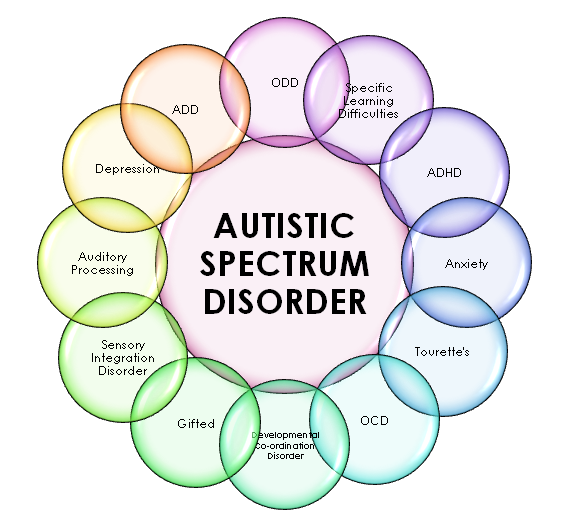
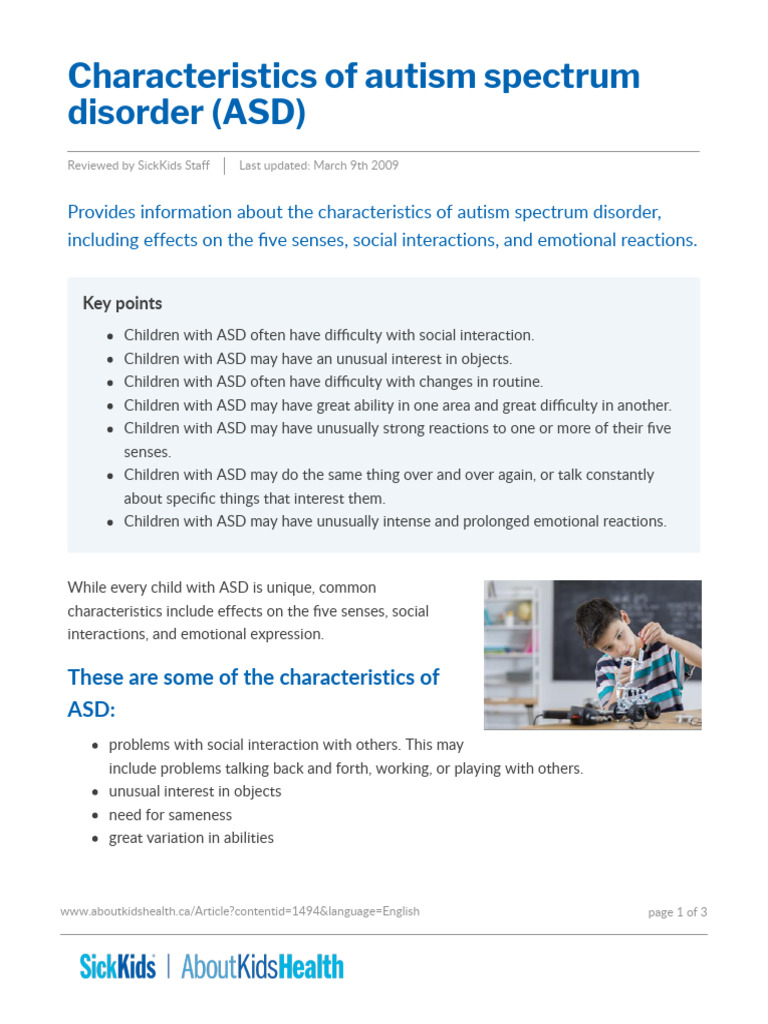
Autism is not a singular condition; rather, it encompasses a wide spectrum of symptoms and behaviors that vary significantly among individuals. Characterized by challenges in social communication, restricted interests, and sensory sensitivities, ASD manifests differently in each person. This variability is crucial in understanding why early identification is not just beneficial, but imperative.
The Importance of Early Identification
Identifying autism early in a child’s development can dramatically influence their trajectory. Early intervention strategies can mitigate challenges and amplify strengths, ultimately leading to improved outcomes in social skills, communication, and daily functioning. The critical window for brain development occurs in the first three years of life, making early diagnosis vital for harnessing neural plasticity and optimizing intervention strategies. Studies have shown that children who receive early diagnosis and tailored support often display significant enhancements in cognitive and social functioning as they grow.
Key Signs of Early Autism
Detecting autism in its nascent stages can pose challenges, as symptoms are not always overt. Nevertheless, there are specific markers to watch for. Parents and caregivers should be attuned to the following signs:
- Delayed Speech and Language Skills: Noticeable delays in babbling, speaking, or understanding language can be early indicators.
- Sensitivity to Sensory Stimuli: Unusual responses to sounds, lights, and textures may manifest as distress or indifference.
- Lack of Eye Contact: An absence of eye engagement can hinder social interactions and is a common sign.
- Limited Social Interaction: Difficulty in sharing enjoyment, emotions, or interests with others can signify an underlying issue.
- Repetitive Behaviors: Stereotypic movements, such as hand-flapping or rocking, can indicate the presence of ASD.
Vigilance in observing these behaviors can empower caregivers to take prompt action, facilitating an early diagnosis.
Methods of Identification
Various tools and approaches exist for identifying autism in young children. Developmental screenings, such as the Modified Checklist for Autism in Toddlers (M-CHAT), are commonly employed to assess a child’s development and identify those at risk. This parent-administered questionnaire is designed to capture a snapshot of a child’s developmental milestones and behaviors.
Furthermore, comprehensive assessments conducted by specialists can provide clarity. These evaluations often involve an array of professionals, including pediatricians, psychologists, speech therapists, and occupational therapists, ensuring a holistic understanding of the child’s strengths and challenges. Observational data, coupled with feedback from parents and caregivers, form the cornerstone of these assessments.
The Role of Professionals and Caregivers
Awareness and education about ASD among healthcare professionals are paramount. Training in recognizing early signs of autism is essential for pediatricians and other medical practitioners. Additionally, community awareness can empower families, enabling them to advocate for their children’s needs. Caregivers should feel encouraged to voice concerns without hesitation, as early action can lead to transformative outcomes. Entities such as local support groups and autism centers can provide resources and guidance, creating a supportive network for families navigating these challenging waters.
Implications of Early Identification
The ramifications of early identification extend beyond the individual child. As society gains a deeper understanding of autism, the stigma associated with it diminishes. Awareness fosters acceptance, leading to inclusive environments in schools, workplaces, and communities. This societal shift paves the way for policies that support individuals with ASD, promoting equal opportunities and celebrating neurodiversity.
Providing Support Through Early Intervention
Once a diagnosis is confirmed, early intervention becomes critical. Programs tailored to the unique needs of each child can encompass a myriad of therapies, including speech therapy, behavioral therapy, and social skills training. The effectiveness of these interventions is maximized when they are personalized to the child, incorporating their interests and preferences into the therapeutic milieu.
Moreover, educating parents about autism is essential. Empowered parents can become effective advocates, participating actively in their child’s therapeutic journey. Workshops, resources, and support groups can provide the necessary guidance to navigate the complexities of autism.
Concluding Thoughts: A New Perspective
Early identification of autism spectrum disorder is not merely a clinical pattern; it represents a significant shift in how society perceives and responds to autism. By recognizing autism in its infancy, we lay the groundwork for a future where individuals with ASD can thrive, equipped with the skills and support they need to succeed. This perspective fosters acceptance, understanding, and a commitment to embrace neurodiversity in all its forms. The journey towards transforming perceptions and ensuring every child reaches their fullest potential begins with awareness and the courage to act.