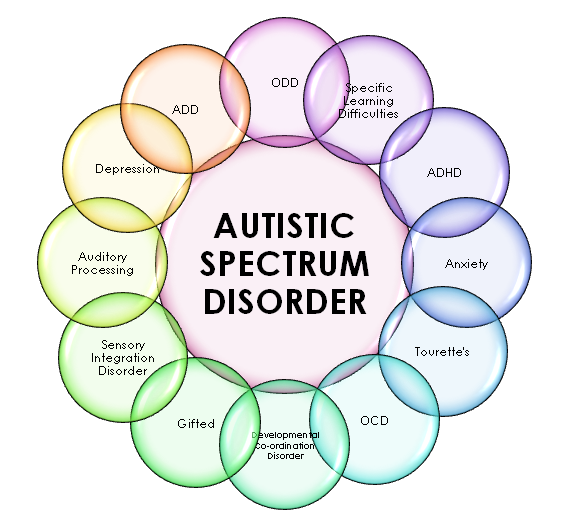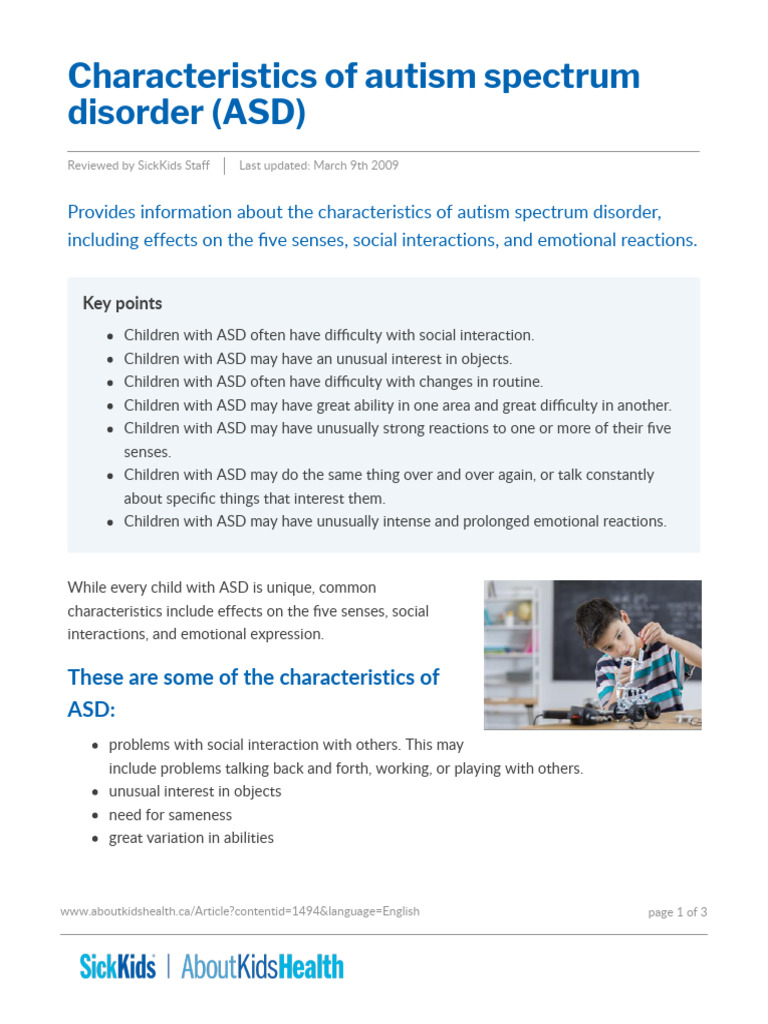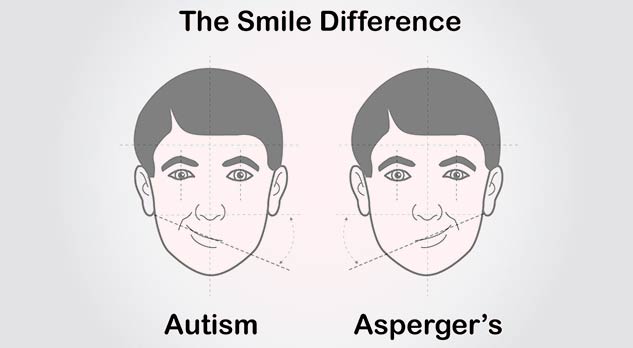
Autism Spectrum Disorder (ASD) encompasses a diverse array of neurodevelopmental conditions marked by challenges in social interaction, communication hurdles, and the manifestation of repetitive behaviors. Recent research has recognized the potential role of environmental factors in the etiology of autism. This exploration provides an enlightening perspective on the complex interplay between genetics and the environment. Below, we delve into the various environmental factors presently under scrutiny, which may influence the development of autism.
To comprehend the multifaceted influences on autism, it is crucial first to delineate what is understood by “environmental factors.” These influences range from prenatal exposures to pollutants, nutritional deficiencies, socio-economic conditions, and even psychosocial dynamics. Each of these elements contributes to the overarching narrative of autism’s etiology.
1. Prenatal Exposures
Fetuses are exposed to myriad substances while developing in utero. Among the most extensively studied prenatal exposures are teratogens. These can include certain medications, drugs, and maternal infections during pregnancy. Research suggests that exposure to valproate, an anticonvulsant medication, is associated with an elevated risk of autism in offspring. Moreover, maternal infections such as influenza appear to correlate with heightened incidences of autism, suggesting that the immune response during pregnancy can have profound implications for fetal brain development.
Furthermore, prenatal exposure to heavy metals, particularly lead and mercury, has emerged as a focal point in autism research. These neurotoxicants can disrupt neuronal development, potentially leading to the pathological characteristics observed in children with autism.
2. Nutritional Factors
Nutrition during pregnancy and early childhood is pivotal for neurological development. Deficiencies in essential nutrients, such as folic acid, during pregnancy have been linked to various neurodevelopmental disorders, including autism. Folate plays a vital role in DNA synthesis and repair, and insufficient levels can impede optimal brain development.
Moreover, early childhood nutrition continues to garner attention. Diets deficient in vital fatty acids, which are crucial for brain development, are being hypothesized to influence autism risk. The Mediterranean diet, rich in omega-3 fatty acids, has been touted for its potential neuroprotective properties, although more conclusive studies are required to solidify these claims.
3. Environmental Pollution
As industrialization has escalated, so has exposure to various pollutants. Air quality, particularly, has been linked to the development of autism. Research indicates that children growing up in areas with high levels of air pollution—specifically particulate matter and nitrogen dioxide—face a significantly increased risk of developing autism. The proposed mechanism involves the inflammatory response elicited by pollutants, which may adversely affect brain development.
Beyond air pollution, exposure to hazardous waste and well water contamination has also been scrutinized. Areas situated near industrial sites tend to exhibit higher levels of neurodevelopmental disorders, revealing a disturbing correlation between environmental neglect and child health outcomes.
4. Socioeconomic Influence
Socioeconomic status (SES) pervades numerous aspects of life that can affect health, including access to healthcare, nutritional resources, and education. Families living in lower SES conditions often face increased stressors, which may indirectly contribute to neurodevelopmental disorders. Such stress can affect maternal health and behavior, culminating in an increased likelihood of autism in offspring.
Moreover, the availability of prenatal care can differ drastically along SES lines. Limited access to healthcare can hinder early diagnosis and intervention, exacerbating the developmental challenges faced by children with autism.
5. The Role of the Microbiome
Emerging research has illuminated the complex world of the human microbiome—billions of microorganisms that inhabit our bodies. Some scholars hypothesize that the gut-brain axis plays a critical role in neurodevelopment. Disruptions to the microbiome can result from various environmental factors, including diet and antibiotic use, potentially contributing to ASD.
Specifically, studies have indicated that children with autism often exhibit altered gut microbiota, which may influence behavioral and physiological outcomes. While the exact mechanisms are still being elucidated, this burgeoning field emphasizes the importance of holistic approaches to autism research, considering both environmental influences and gut health.
6. Psychosocial Environment
The psychosocial context in which a child develops also warrants consideration. Early familial interactions, parenting styles, and community dynamics can significantly impact a child’s development. A nurturing environment may mitigate some risk factors linked with autism, while adverse experiences can exacerbate vulnerabilities.
Additionally, the stigmatization of autism and the subsequent societal responses can severely influence life trajectories for affected individuals. Understanding the psychosocial factors at play may help foster more supportive environments that could alleviate the challenges faced by families affected by autism.
Conclusion
The investigation into environmental factors influencing autism is still evolving, shedding light on a complex web of interrelated elements. Each factor, from prenatal exposures to socio-economic conditions, offers valuable insights into the intricate dance between genetics and environment. Continued multidisciplinary research is essential to unravel these complexities, ultimately paving the way for improved intervention strategies and support systems for affected individuals and their families.