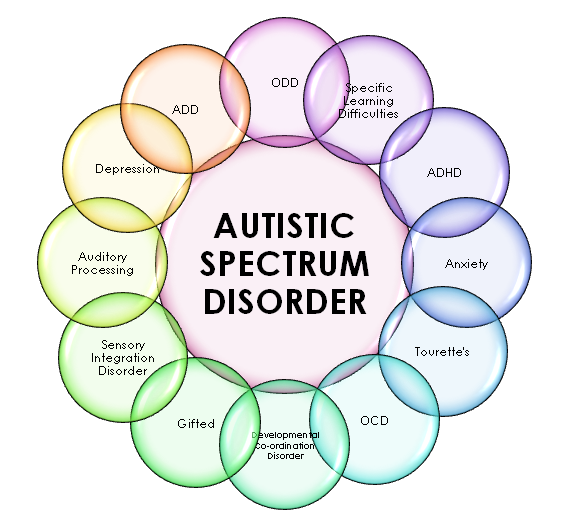
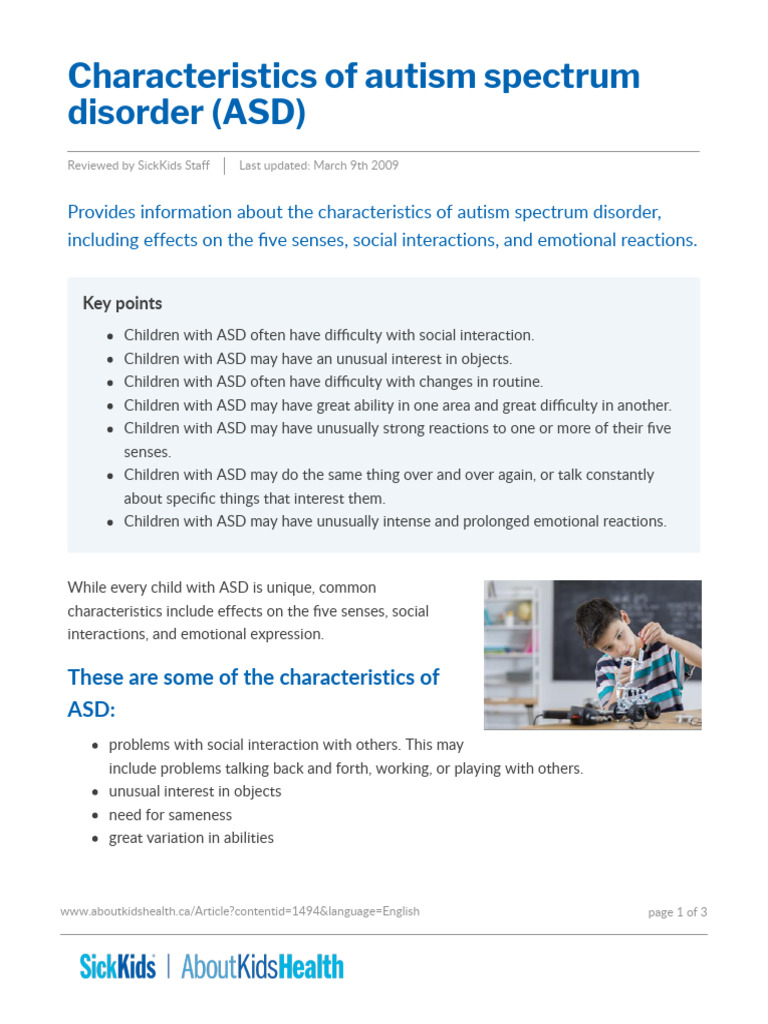
Autism Spectrum Disorder (ASD) is a complex neurodevelopmental condition characterized by a range of challenges in social interaction, communication, and repetitive behaviors. It represents a profound subject of scientific inquiry, revealing a mosaic of genetic, environmental, and cultural factors influencing its manifestation. In examining the global landscape of autism research initiatives, one might ponder: how do different countries approach the complexities of ASD, and what can be learned from these diverse methodologies? This question leads us to a closer examination of the various research initiatives around the globe, each aiming to illuminate different facets of autism.
The spectrum of autism encompasses a broad range of symptoms and levels of severity. As such, it warrants comprehensive research that goes beyond clinical parameters. Various initiatives are being undertaken worldwide to deepen our understanding and improve the lives of those affected by autism. From genome mapping in the United States to public health initiatives in Scandinavia, the breadth of research activities underscores both the urgency and the necessity of collaborative global efforts.
North America: Genetic Research and Technological Advancements
In North America, a significant emphasis is placed on genetic research and technological advancements. The Autism Genome Project, for instance, aims to identify specific genes associated with ASD. The initiative has yielded a plethora of information, contributing to the understanding of heritability and potential risk factors. By identifying epigenetic factors that may contribute to autism, researchers are better equipped to develop targeted interventions.
Moreover, innovative technologies such as artificial intelligence and machine learning are being harnessed to analyze vast datasets. This combination of genetic data and AI capabilities paves the way for predictive analytics that could revolutionize early diagnosis and intervention strategies. Yet, amidst these advances, ethical dilemmas persist regarding data privacy, genetic testing, and the implications of potential stigmatization.
Europe: Policy Frameworks and Public Awareness Campaigns
Across Europe, a more policy-oriented approach prevails. The European Autism Interventions—A Multicentre Study for Developing New Medications (EASI) represents a groundbreaking effort to assess various pharmaceutical interventions tailored for individuals with autism. Such initiatives often coincide with public awareness campaigns aimed at destigmatizing autism and promoting inclusion. The Autism-Europe organization has spearheaded efforts to enhance public discourse on autism, weaving the voices of individuals and families into the fabric of societal understanding.
One notable challenge in this context is the variation in healthcare access across European nations, which affects the implementation of research findings. Countries with more comprehensive support systems tend to experience better outcomes for individuals on the spectrum. Thus, while research initiatives thrive, translating findings into equitable policy remains a formidable task.
Asia: Cultural Context and Community Engagement
In Asia, the cultural context significantly influences research initiatives. Countries like Japan and South Korea are beginning to embrace a more nuanced understanding of autism that deviates from traditional perceptions. Japanese researchers are exploring the intersection of autism and creativity, often highlighting the unique strengths that some individuals with autism possess. This perspective fosters a more inclusive framework, emphasizing talent over deficit.
Community engagement initiatives, such as support groups and educational programs, are also gaining traction. They aim to empower families and raise awareness about autism within local communities. However, challenges remain in combating deeply rooted stigmas and misconceptions about the condition. Efforts to curate culturally sensitive interventions are vital for fostering acceptance and understanding.
Africa: Grassroots Movements and Challenges of Resource Allocation
In contrast, Africa faces distinct hurdles in autism research and awareness. The continent is often characterized by a lack of resources, awareness, and healthcare infrastructure. Grassroots movements are emerging, spearheaded by passionate individuals and non-profit organizations aiming to raise awareness about autism. These efforts are crucial in communities where autism is often misunderstood, with parents frequently receiving blame or stigma rather than support.
This grassroots approach is commendable; however, it illuminates a broader issue: the disparity in funding and resources available for autism research in developing versus developed countries. In many African nations, the challenge lies not just in understanding autism but in providing adequate support for those affected. Research initiatives must focus on sustainable development that includes healthcare accessibility, educational resources, and community engagement.
Collaboration: The Key to Global Understanding
Across all these regions, a collaborative approach holds immense potential. Global forums and conferences dedicated to autism research are crucial for sharing insights and fostering partnerships. Initiatives like the International Society for Autism Research (INSAR) facilitate interdisciplinary collaboration, bringing together genetics, psychology, and sociology to inform best practices and innovative solutions.
Furthermore, the rise of telemedicine has proven advantageous, especially in areas with limited access to specialists. By leveraging technology, researchers and practitioners can bridge geographical gaps, ensuring that knowledge dissemination transcends borders.
Yet, as we engage in these collaborative endeavors, it begs the question of how inclusive the research itself is. Are all voices being heard? Raising the profile of individuals with autism and their families in research discussions is paramount for ensuring that studies address real-world challenges and aspirations.
Looking Forward: Navigating the Future of Autism Research
As we embark on this multifaceted journey toward understanding autism, it’s essential to remain cognizant of the challenges that persist. From ethical considerations in genetic research to the necessity of culturally sensitive interventions, the path forward is fraught with complexity. However, the collaborative efforts of researchers, practitioners, and families alike promise a brighter horizon for those on the autism spectrum.
In shaping this future, one pivotal question remains: how can we ensure that the diverse perspectives across continents converge toward a unified goal of understanding and supporting individuals with autism? The answer lies in our commitment to inclusivity, innovation, and relentless pursuit of knowledge.