Autism Spectrum Disorder (ASD) is a complex constellation of neurodevelopmental differences that shapes the way individuals perceive and interact with the world around them. While the broad public understanding tends to emphasize the challenges faced by those with autism, a deeper exploration reveals a multitude of unique strengths, potentialities, and nuanced behaviors that deserve recognition. Central to understanding ASD is the process of neurodevelopmental assessments, a gateway to unlocking a richer, more profound appreciation of individuals on the spectrum.
Understanding ASD begins with recognizing the term ‘spectrum’. Autism manifests uniquely in each individual, reflecting diverse cognitive, sensory, and social processing styles. This variability opens the door to examining how neurodevelopmental assessments function. These assessments are not mere checklists of deficits; they are comprehensive evaluations that explore an individual’s cognitive abilities, adaptive behaviors, and emotional intelligence.
Neurodevelopmental assessments typically involve a multi-faceted approach, combining standardized tests, observational techniques, and interviews with caregivers. In this intricate tapestry, clinicians seek to elucidate an individual’s strengths and challenges, thereby creating a holistic picture that transcends labels and stereotypes. One might envision this process akin to a skilled artisan meticulously piecing together an intricate mosaic, where every tile contributes to a greater narrative.
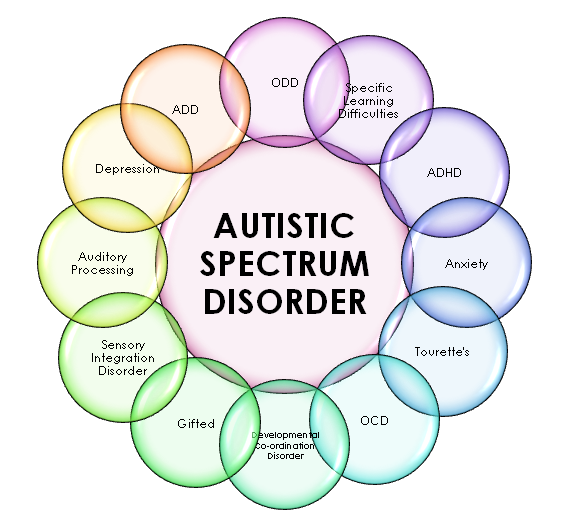
A key aspect of these assessments lies in their ability to identify co-occurring conditions. Many individuals on the autism spectrum experience additional challenges, such as attention-deficit/hyperactivity disorder (ADHD), anxiety disorders, or learning disabilities. Comprehensive assessments enable practitioners to discern patterns and connections, allowing for tailored interventions that address the whole child, rather than isolated symptoms.
Moreover, engaging in neurodevelopmental assessments fosters a transformative shift in perspective. Parents and guardians often initially approach the process with trepidation, anticipating formal diagnoses that may evoke vulnerability. However, many find that the experience is enlightening, shifting their focus from perceived deficits to the unique cognitive profiles of their children. For instance, a child who struggles with conventional communication might exhibit exceptional skills in visual-spatial reasoning or possess an extraordinary memory for facts. Ideation thrives when potential is highlighted, promising an expansive landscape for growth and development.
Curiosity about the autistic experience can lead to questions that stimulate deeper understanding. One might ponder, “What sensory experiences does an individual encounter that shape their worldview?” Many autistic individuals process sensory stimuli differently, often hyper- or hyposensitive to external inputs. Neurodevelopmental assessments can guide interventions that cater to these sensory profiles, employing techniques from occupational therapy to mitigate discomfort and enhance functional engagement in everyday activities.
Another dimension of neurodevelopmental assessments is their ability to cultivate advocacy skills. When parents understand the intricacies of their child’s diagnosis, they become empowered to articulate their needs and preferences. They often feel better equipped to collaborate with educators, therapists, and healthcare providers. This advocacy extends beyond the individual; it serves to inform broader community perspectives about autism. With accurate representations derived from assessments, narratives shift from stigma and misunderstanding to empowerment and appreciation for neurodiversity.
Moreover, technological advancements are playing a pivotal role in enhancing neurodevelopmental assessments. The incorporation of Artificial Intelligence (AI) and machine learning into diagnostic tools promises a precision unachievable by traditional methods alone. Emerging tools that analyze behavioral patterns through video recordings, for instance, can identify subtle non-verbal cues that humans might overlook. As these technologies evolve, they bear the potential to redefine the landscape of autism diagnostics, ensuring a more refined understanding of each individual.
It is also essential to address the emotional components entwined within the neurodevelopmental assessment processes. Families often navigate a labyrinth of emotions—from anxiety and uncertainty to hope and inspiration. The journey toward understanding autism becomes a collective endeavor, strengthening family bonds as they navigate challenges together. Therapists and professionals play a critical role in guiding families through this maze, ensuring that the focus remains on the individual’s strengths and potential for growth rather than solely on limitations.
An essential part of the assessment process extends beyond the diagnostic evaluation; it encompasses ongoing support and intervention strategies. Following assessments, a myriad of therapeutic options may be employed—ranging from applied behavior analysis (ABA) to speech therapy, social skills training, and sensory integration therapy. Each individualized intervention seeks to cultivate the person’s inherent strengths while supporting development in areas of need, embracing the philosophy that each individual with autism is a mosaic of capabilities awaiting discovery.
Understanding autism through the lens of neurodevelopmental assessments is a journey marked by exploration and discovery. As the fields of psychology, education, and neuroscience converge, the narrative surrounding ASD continues to evolve, inviting curiosity and sparking conversations about inclusivity and acceptance. Parents, educators, and clinicians alike are called to embrace this perspective shift, appreciating the diverse tapestry of experiences that individuals on the autism spectrum embody.
As society learns to appreciate the depths of human neurodiversity, that curiosity will resonate broadly, catalyzing a movement toward a future where differences are not merely tolerated but celebrated. The promise of neurodevelopmental assessments lies not just in diagnosis, but in their power to illuminate the unique potential inherent in every individual with autism, fostering an environment where all minds can thrive.