Have you ever wondered why some individuals find solace in the same morning ritual while others seek novelty in every moment? For many autistic individuals, the answer lies in routines—and the predictability they provide—a fortress of stability in an often overwhelming world. But why does predictability hold such paramount importance, and what challenges arise when routines are disrupted? This curious interplay between structure and adaptability uncovers profound insights into the autistic experience.
The Intrinsic Need for Routine in Autism
At the heart of autism lies a distinctive way of processing sensory input and emotions. For many autistic people, the world can be a labyrinth of unpredictability, where sensory stimuli bombard their senses and social interactions demand rapid decoding of complex cues. In this context, routines offer a structured framework—a mental scaffolding that reduces cognitive load and anxiety. Predictable patterns transform chaotic environments into manageable experiences.
Routines are not mere habits; they provide a psychological anchor. The repetition and familiarity ingrained in routines minimize the need to constantly adapt to new circumstances, thus conserving mental energy. This reliability shapes a secure environment where autistic individuals can anticipate what comes next, fostering a sense of control and equilibrium.
Predictability as a Bulwark Against Sensory Overload
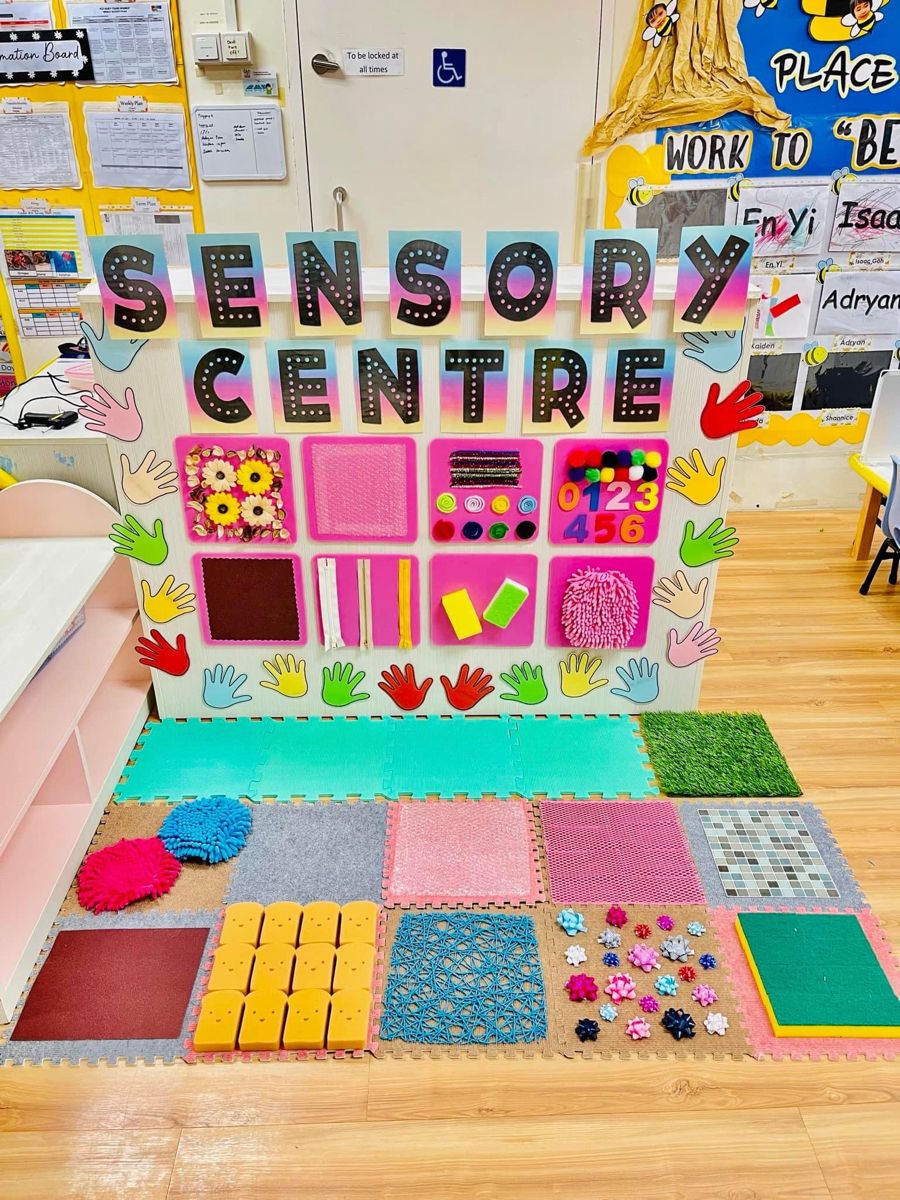
Autistic individuals often experience heightened or atypical sensory sensitivities, where sounds, sights, or tactile sensations can be overwhelming or even painful. Predictable routines act as a buffer against sensory overload by regulating exposure to new and potentially distressing stimuli. When the brain encounters familiar patterns, it operates efficiently, avoiding the stress response triggered by unpredictability.
This sensory modulation is crucial because it not only decreases anxiety but also supports better engagement with the environment. When the sensory demands are calibrated through routine, individuals have a greater capacity to focus on learning, social interaction, and creative pursuits.
Routines as Catalysts for Development and Independence
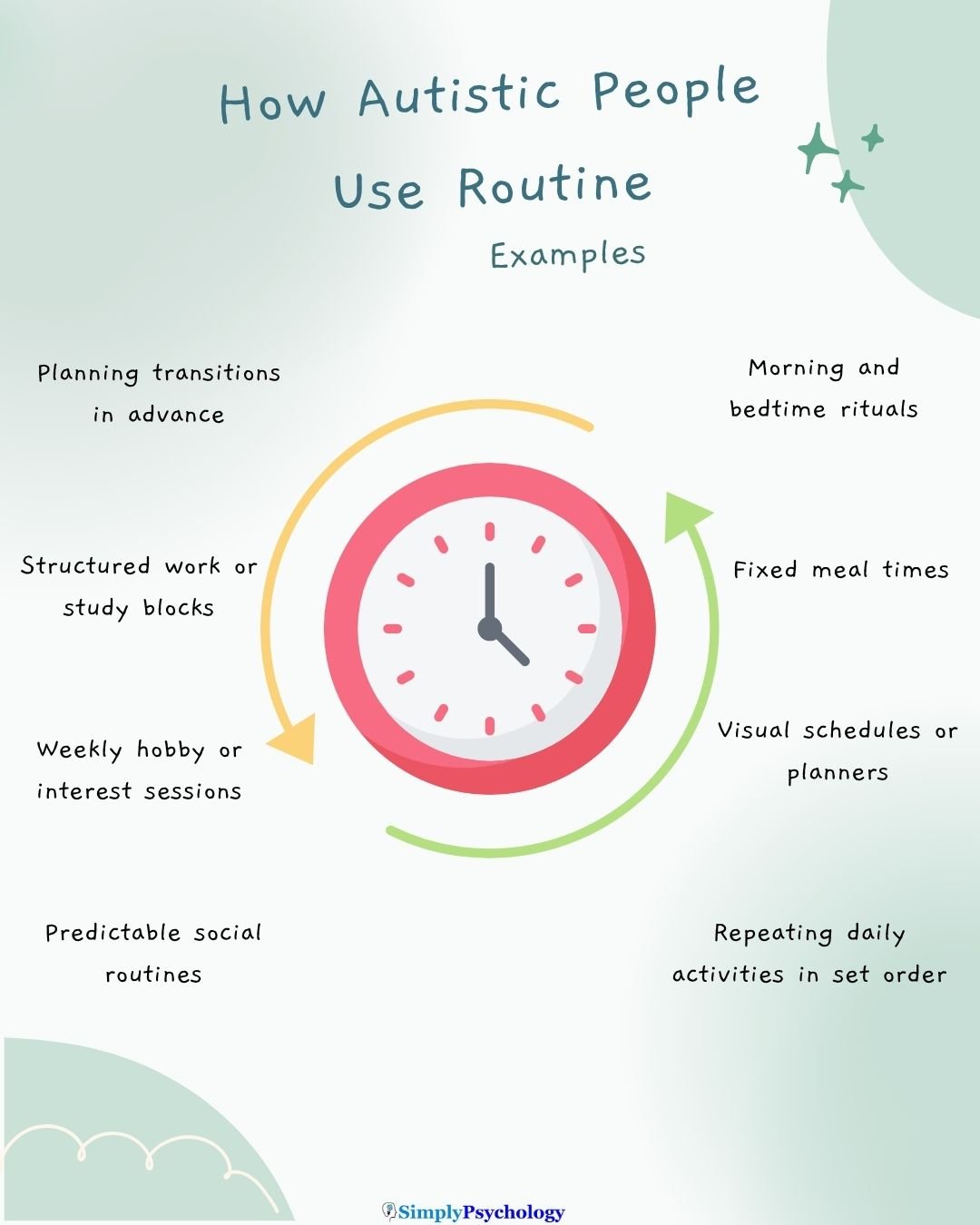
Far from fostering rigidity as some might assume, well-constructed routines offer scaffolding that promotes growth and self-reliance. Structured daily activities—such as fixed meal times, consistent bedtimes, and scheduled recreational periods—help embed functional skills. Over time, familiarity with these routines empowers autistic individuals to anticipate responsibilities and build confidence in managing day-to-day challenges.
In educational and therapeutic settings, integrating consistent routines can enhance participation and skill acquisition. Predictability provides a clear roadmap, enabling autistic learners to navigate new information without being paralyzed by uncertainty. Such environments help shape autonomy within a supportive, adaptable framework.
The Challenge of Disrupted Routines
Yet, life is inherently unpredictable. A sudden change in routine—be it an unexpected visitor, a schedule alteration, or an unfamiliar environment—can provoke distress. This challenge is not simply about preference but reflects how deeply embedded routines are in managing stress and sensory input. Disruptions may lead to heightened anxiety, emotional outbursts, or withdrawal, signaling the critical need for interventions that cushion these shocks.
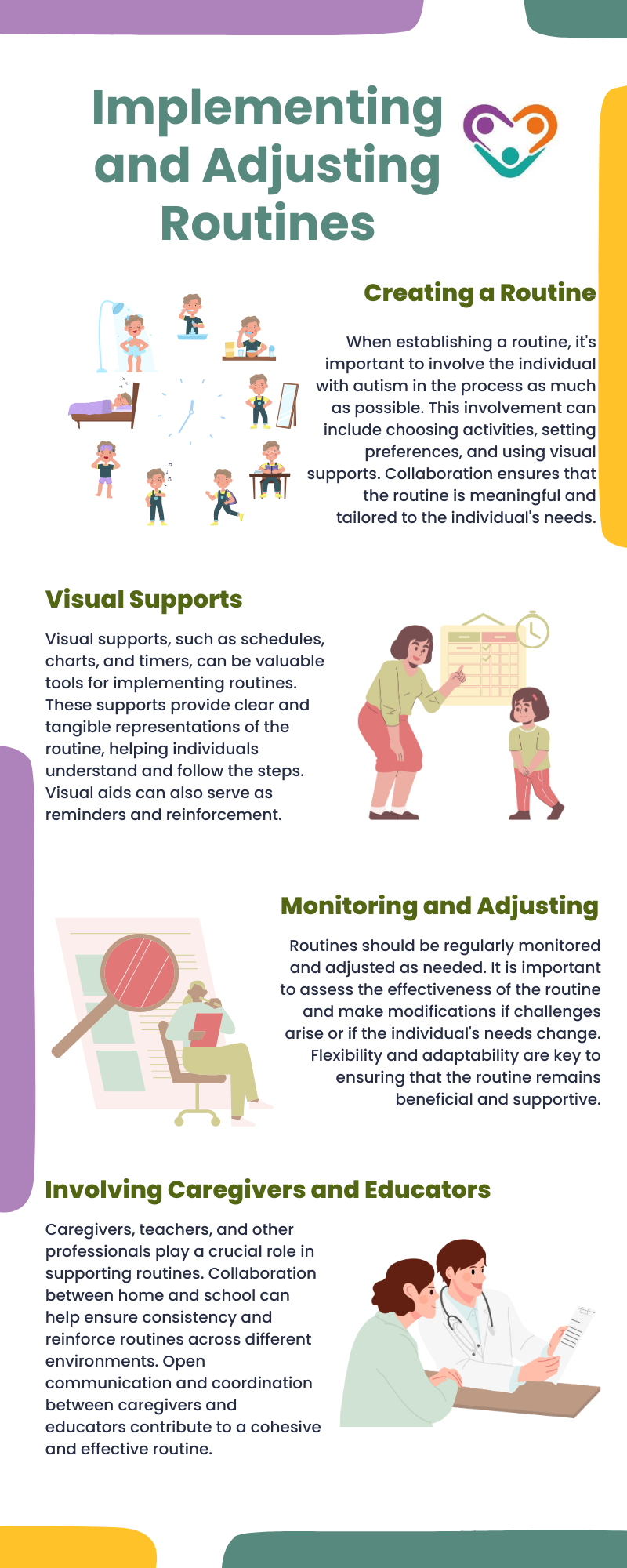
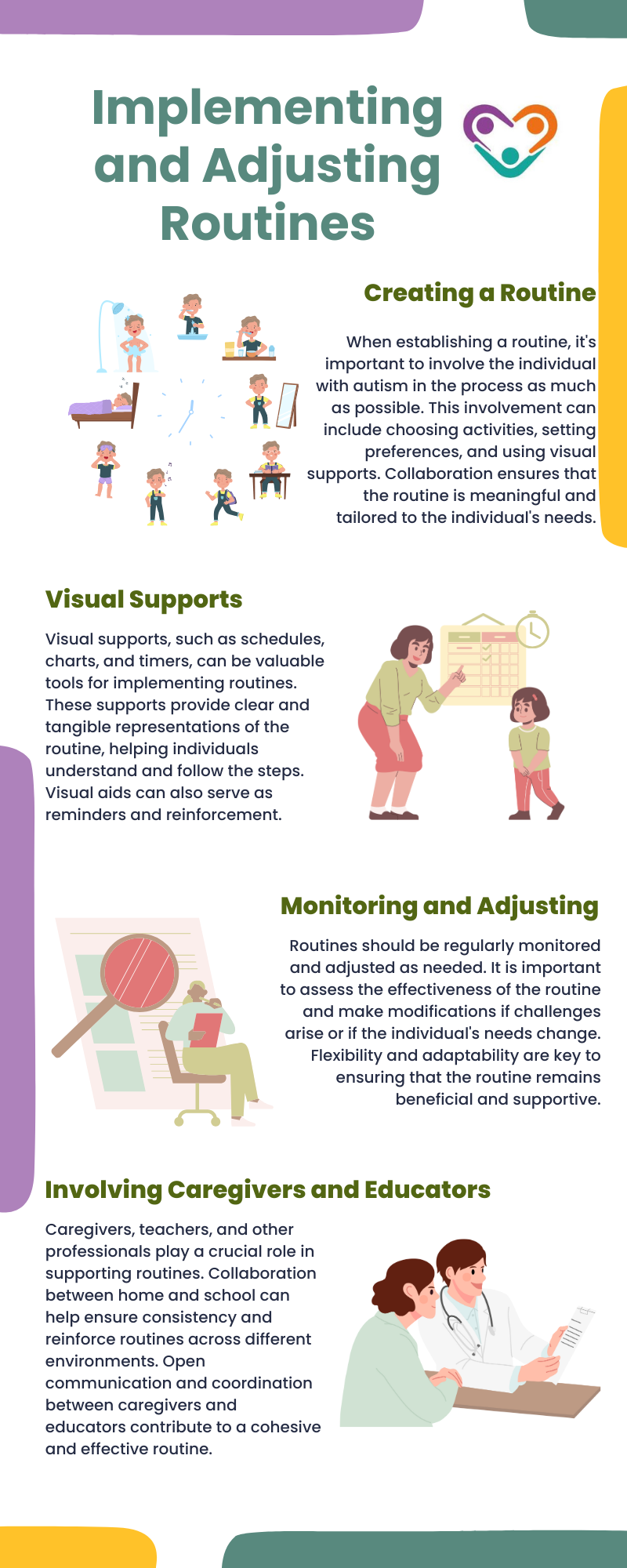
Understanding the reasons why changes pose difficulties is fundamental to fostering empathy and effective support. Flexibility in response to routine disruption requires incremental approaches. Gradual exposure to novelty, combined with preparatory cues such as visual schedules or social narratives, can help ease transitions while maintaining a sense of predictability within change.
The Balancing Act: Fostering Flexibility Within Structure
While routines provide sanctuary, the ultimate goal is to cultivate adaptability without compromising well-being. Encouraging flexibility must be done delicately to prevent overwhelming the individual. Introducing small, controlled variations within established routines can gently build resilience.
Therapeutic strategies often emphasize this balance—maintaining core routines yet allowing space for new experiences. Such approaches acknowledge that the world is ever-changing and preparing an autistic person to navigate it competently involves fostering both structure and adaptability.

Community and Caregiver Roles in Supporting Routine
Caregivers, educators, and community members play an indispensable role in facilitating routines that support autistic individuals. By recognizing the importance of predictability, they can design environments that accommodate sensory preferences and reduce unnecessary stressors. Consistent communication and collaboration ensure that routines are meaningful, flexible, and inclusive.
Moreover, the broader acknowledgment of routine’s value helps dismantle misconceptions that often frame autism through a deficit lens. Instead, this perspective highlights how routine is a vital tool for empowerment, resilience, and quality of life.
In conclusion, predictability is far more than habit; it is a vital anchor that stabilizes the lives of autistic individuals amidst sensory and social complexities. While routines offer comfort, the nuanced challenge lies in weaving flexibility into this framework—preparing for life’s inevitable changes without sacrificing stability. Understanding and embracing this dynamic illuminates pathways toward compassion, effective support, and enriched lived experience for those on the spectrum.