Embarking on the journey of selecting an autism therapy can be both overwhelming and enlightening. The vast array of approaches, each promising unique benefits, often leaves families and caregivers at a crossroads. Yet, within this complexity lies an opportunity—a profound shift in perspective that transcends mere choice and ventures into understanding, personalization, and empowerment. Discovering the right autism therapy is not just a decision; it’s an invitation to unlock potential in the most meaningful way possible.
Understanding Autism Therapy: Beyond the Conventional
When confronted with the term “autism therapy,” the mind may instinctively lean towards traditional models—behavioral interventions, speech therapies, and occupational sessions. While these foundational methods are undeniably valuable, the therapeutic landscape has evolved remarkably. Today, autism therapy encompasses a broad spectrum of modalities, each rooted in different philosophies and mechanisms of action. Some focus on harnessing technology, others on comprehensive skill-building, and yet others on fostering meaningful social engagement.
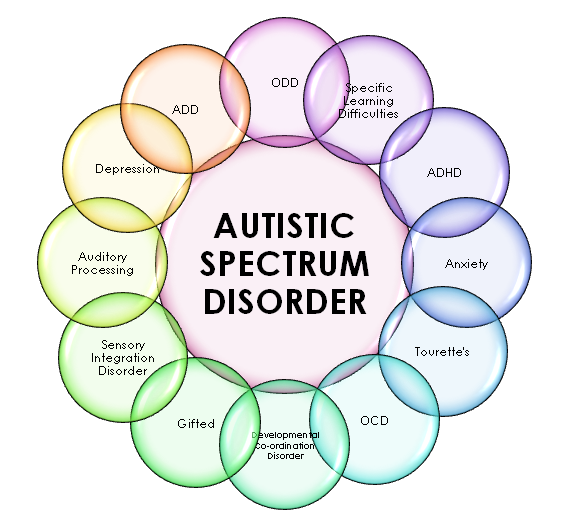
This diversity is not merely a matter of choice. It’s a mirror reflecting the unique neurodiversity of those on the spectrum. Understanding that no single approach fits all is the first step toward discerning what resonates most profoundly with individual needs and aspirations.
Behavioral Therapies: The Cornerstone of Development
Applied Behavior Analysis (ABA) remains one of the most widely recognized modalities. Rooted in operant conditioning, ABA focuses on reinforcing desirable behaviors and diminishing those that hinder functional independence. Though sometimes controversial, its structured framework offers measurable outcomes, making it a mainstay for many families.
Beyond ABA, other behavioral approaches like Pivotal Response Training or Discrete Trial Training emphasize adaptability and motivation, engendering a more nurturing environment for learning. These therapies champion systematic progression, providing clarity and predictability—qualities that often resonate with learners on the spectrum.

Comprehensive Services: Holistic Growth and Integration
Some centers embrace a multifaceted approach, integrating speech therapy, occupational therapy, social skills training, and behavioral interventions under one roof. This comprehensive methodology recognizes that autism impacts multiple domains—communication, motor skills, social interaction—and that seamless coordination enhances efficacy.
CST Academy epitomizes this model, delivering personalized plans that evolve with the learner’s journey. The coordination between disciplines ensures that therapy is not fragmented but synergistic. For families seeking a unified path, this approach offers cohesion and a panoramic view of development.

Digital Language Therapies: The Frontier of Innovation
Technology’s integration into autism therapy heralds a new epoch of learning possibilities. Digital language therapy platforms leverage interactive, multimedia tools to amplify communication skills, often through gamified and adaptive exercises. These tools cater to various learning styles, promoting engagement where traditional methods may falter.
Platforms such as Gemiini exemplify this innovative frontier. By merging digital platforms with evidence-based practices, they offer a tailored, scalable approach that invites learners to consistently build language proficiency at their own pace. This modality captivates curiosity and leverages the ubiquity and familiarity of technology to deepen language acquisition.

Matching the Approach: Personalization Over Prescription
Decoding which therapy is right requires an intentional alignment of objectives, values, and realities. One who seeks rapid behavioral change might favor ABA, while another prioritizing communicative autonomy might gravitate toward digital language therapies. The child’s temperament, family dynamics, and logistical considerations also play pivotal roles in this equation.
Rather than a prescriptive solution, the art of therapy matching is a dynamic dialogue with the individual’s evolving needs. It encourages trial, observation, and adaptation, nurturing curiosity about what unlocks genuine progress. Cultivating open-mindedness and embracing nuances empower caregivers to become advocates and collaborators in the therapeutic process.
The Role of Environment and Support Networks
Therapy effectiveness is inexorably linked to the environment in which it unfolds. A supportive home, inclusive educational settings, and access to skilled professionals collectively create fertile ground for growth. Moreover, communities that celebrate neurodiversity and provide peer connections further amplify therapeutic gains.
Understanding the contextual ecosystem surrounding the learner enriches the therapy experience. This perspective acknowledges the individual not as an isolated case but as a dynamic part of a societal fabric, where every thread contributes to holistic development.
Anticipating Growth: The Journey Continues
Choosing a therapy approach marks not an end, but the commencement of a lifelong journey of discovery. Progress might manifest in incremental achievements or unexpected breakthroughs. Patience, resilience, and adaptability become companions as families and practitioners navigate this intricate path.
Embracing the fluidity of this journey invites a mindset that views challenges as avenues for insight rather than obstacles. It is through this lens that the promise of transformation becomes palpable—the promise not merely of change, but of unlocking dormant potential and fostering authentic self-expression.
Ultimately, the right autism therapy approach is one that harmonizes with intrinsic strengths, addresses distinct challenges, and honors individuality. It demands intentional exploration fueled by both science and empathy. Within this tapestry of options, the discerning choice transcends methodology, unfolding as a profound commitment to nurturing possibility, fostering dignity, and catalyzing growth.