
The phenomenon of masking in autism is both pervasive and profoundly complex. It is a survival strategy, an intricate dance of camouflage that many autistic individuals adopt to navigate a world that often misunderstands them. Yet beneath its protective surface lies a profound cost: the suppression of authentic identity. To stop masking and fully embrace one’s autistic identity is to embark on a transformative journey—where vulnerability becomes strength, and self-acceptance ushers in liberation. Understanding how and why this masking persists sheds light on the deeper psychological and social mechanisms that fuel this behavior, unraveling the path toward genuine self-expression.
The Intricacies of Masking: An Unseen Performance
Masking extends far beyond a simple façade; it is an intricate performance woven from conscious and unconscious efforts to blend in. Individuals may mimic social cues, suppress sensory sensitivities, or hide their natural behaviors to conform to neurotypical expectations. This often arises from an acute awareness of social dynamics and an arduous desire to avoid stigma or exclusion. The sheer energy it demands can lead to psychological exhaustion—sometimes known as “autistic burnout”—where the effort to maintain the mask becomes untenable.
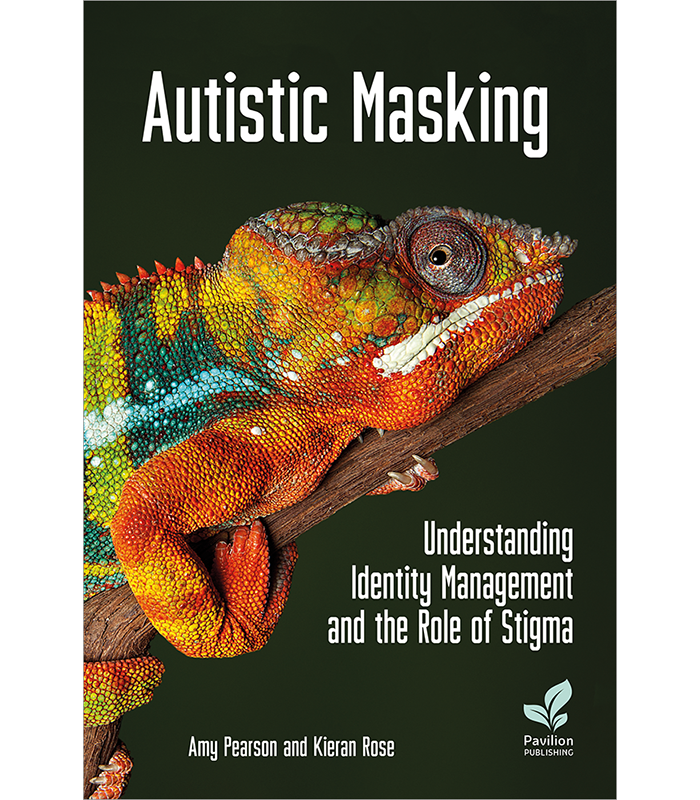
What fascinates researchers and advocates alike is the paradox of masking: it is at once a tool for belonging and a cause of isolation. Masking hides struggles but also suppresses the blossoming of one’s true self, cultivating a dissonance that can erode self-esteem and mental health. This phenomenon invites deeper contemplation on why the world necessitates masking and how societal constructs inadvertently perpetuate it.
Understanding the Roots: Why Masking Takes Hold
At its core, masking is a response to an environment that often marginalizes autistic traits. From childhood, many autistic individuals receive implicit and explicit messages that their natural ways of being are not acceptable. Educational settings, workplaces, and social spheres can all contribute to an atmosphere where differences are viewed through the lens of deficit or disorder.
The deep-seated desire for social acceptance intertwines with survival instincts: to avoid bullying, rejection, or misunderstanding, masking becomes a plausible, albeit costly, choice. The psychology of masking also implicates identity management—it is a delicate balancing act between self-protection and the innate human need for authentic connection. Consequently, this masking is not merely a habit but an adaptive mechanism shaped by years of navigating neurotypical norms and expectations.
Recognizing the Signs: When Masking Clouds Authenticity
Discernment is crucial in identifying when masking has eclipsed one’s true identity. Individuals may find themselves constantly vigilant—over-analyzing social interactions, rehearsing conversations, or experiencing profound emotional exhaustion following social engagement. Subtle gestures such as suppressing stimming behaviors, feigning eye contact, or modulating speech patterns can be indicative of masking efforts.
Moreover, many autistic people report a sense of invisibility or dissociation from their authentic self, a feeling that life is lived through a constructed persona rather than genuine expression. This disconnect not only hampers self-awareness but risks the development of anxiety, depression, or identity crises. Recognizing these manifestations is the pivotal first step toward relinquishing the mask.
Steps to Stop Masking: Cultivating Self-Acceptance and Authenticity
Shedding the layers of masking is neither instantaneous nor without discomfort. It demands courage, patience, and a compassionate understanding of oneself. Several interconnected approaches can facilitate this process:
- Self-Education and Reflection: Deepening one’s understanding of autism as a neurodivergent identity rather than a deficit encourages reframing internal narratives. Reflection on personal experiences and emotions helps disentangle authentic traits from masked behaviors.
- Building Supportive Communities: Engaging with autistic peers and supportive allies provides a safe environment to practice authenticity without fear of judgment. These connections reinforce belonging and validate lived experiences.
- Professional Guidance: Therapists experienced in neurodiversity-affirming practices offer tools to manage social anxiety and promote identity integration in a non-pathologizing manner.
- Setting Boundaries: Learning to discern when to engage socially and when to withdraw respects personal energy limits and mitigates burnout risks.
- Embracing Self-Expression: Reclaiming natural behaviors, whether through sensory stimming, unique communication styles, or creative outlets, affirms authenticity.

Transformative Impact: Embracing the Autistic Identity
As the mask is slowly dismantled, individuals often experience a profound shift in self-perception and emotional well-being. Authenticity fosters resilience, and self-acceptance becomes a powerful shield against societal pressures. This transformation manifests as greater self-compassion, improved mental health, and enriched interpersonal relationships founded on honesty.
Moreover, embracing one’s autistic identity challenges pervasive societal stigmas. It reclaims autism not as a pathology to hide but as a rich and intrinsic facet of human diversity. This perspective nurtures empowerment not only at a personal level but ripples into broader cultural narratives—invoking respect, inclusion, and understanding.
Continuing the Journey: Ongoing Challenges and Triumphs
The path beyond masking is not linear. Setbacks, moments of doubt, and external pressures may invite the reapplication of old masks. However, a foundation of authentic self-awareness equips individuals to navigate these challenges with renewed clarity and resilience.
Importantly, societal change plays a pivotal role in sustaining an environment where masking becomes unnecessary. Advocating for inclusive policies, educating communities, and promoting neurodiversity affirmations create a world where autistic individuals can flourish unmasked and unapologetic.
In embracing your autistic identity, the journey towards authenticity transcends the simple act of stopping masking—it becomes a courageous reclamation of self, a profound acknowledgment of worth, and an invitation for the world to witness autism in its fullest, most vibrant form.












