In the realm of developmental challenges, nonverbal autism presents a unique set of hurdles that often confound caregivers, educators, and therapists alike. Communication—or the conspicuous absence of it—becomes the battleground on which countless interactions are fought and won. Amidst this complexity, the question surfaces with profound urgency: can sign language serve as a potent bridge for nonverbal autistic children, enabling them to articulate emotions, desires, and needs seamlessly? This inquiry promises more than a simple yes or no; it invites a paradigm shift in understanding communication beyond spoken words.
The Communication Dilemma in Nonverbal Autism
The traditional perception of communication is dominated by speech. However, for many nonverbal autistic children, verbal articulation is either delayed, partial, or altogether absent. This absence often breeds frustration, behavioral outbursts, and social isolation. The challenge lies not only in the child’s inability to speak but in how the environment interprets—or fails to interpret—alternative signals conveyed by the child.
Nonverbal autism does not imply an absence of language or understanding; it frequently means that the expressive modality differs. Recognizing this fundamental distinction alters the approach to therapy and interaction. This realization sets the stage for exploring assistive communication methods, with sign language emerging as a compelling candidate.
Sign Language as a Gateway to Expression
Sign language is more than a gestural representation of spoken words; it is a rich, nuanced mode of communication that encapsulates meaning through body language, facial expressions, and manual signs. For nonverbal autistic children, this mode offers a visual and kinesthetic alternative to verbal communication, often aligning more closely with their sensory experiences.

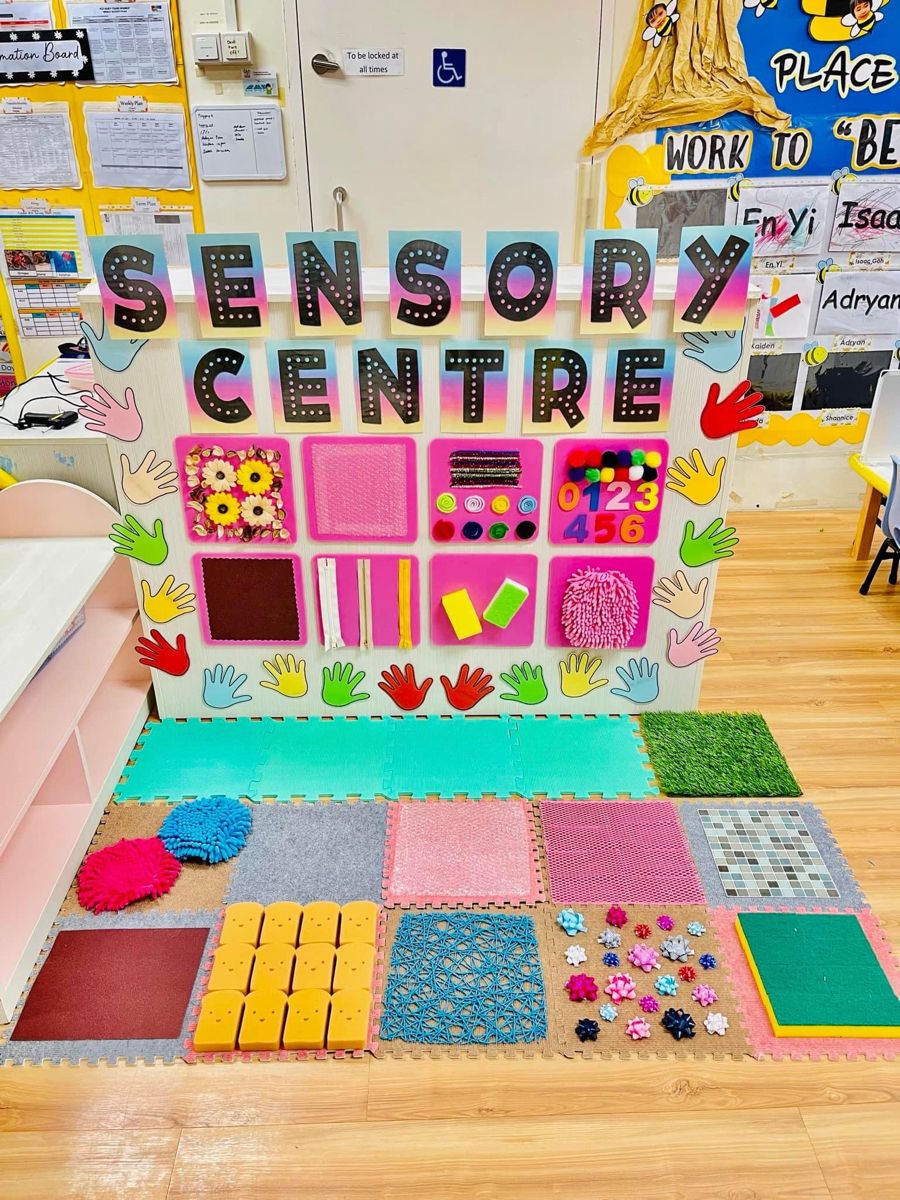
In early therapeutic settings, the introduction of sign language has been observed to dramatically liberate children from the frustration of being unheard. It facilitates a conduit for self-expression, emotional regulation, and social interaction. The physicality of signs engages multiple senses simultaneously, which can be particularly advantageous for children with sensory processing differences—a common trait among autistic individuals.
Neuroplasticity and Learning: Why Sign Language Works
One of the pivotal reasons sign language proves beneficial is its ability to capitalize on the brain’s neuroplasticity—the brain’s capacity to form new neural connections throughout life. For nonverbal autistic children, traditional speech pathways may be underdeveloped or inaccessible. Sign language, however, activates alternate neural circuits that support visual-spatial processing and motor skills.
Learning to communicate through signs encourages the development of these alternate pathways. It offers an opportunity for children to build meaningful connections between their intentions and external responses. This bidirectional interaction is fundamental to language acquisition and cognitive development.
Beyond Communication: The Social and Emotional Ripple Effects
Empowering nonverbal autistic children with sign language often transcends mere words and signs. It ignites social reciprocity and fosters relationships in environments previously marked by silence and disconnect. Through gestures, children initiate interactions, respond to social cues, and cultivate emotional intelligence.
Moreover, when caregivers and peers learn and use sign language, it creates an inclusive atmosphere where the child’s efforts are acknowledged and valued. This mutual understanding reduces behavioral challenges stemming from frustration, and bolsters confidence and autonomy.
Challenges and Considerations in Implementing Sign Language
While promising, integrating sign language into the lives of nonverbal autistic children is not without obstacles. One significant challenge is consistency. Sign language requires regular, contextual use by both the child and communicative partners to be effective. Sporadic application may lead to confusion or little progress.
Additionally, each child’s motor skills, cognitive level, and sensory sensitivities vary greatly. Customization and patience are paramount in tailoring sign instruction to individual needs. Professionals often recommend combining sign language with other augmentative and alternative communication (AAC) strategies to create a multi-modal communication framework.
It is crucial to acknowledge that while sign language can unlock many doors, it may not suffice for every child. Ongoing assessment and adaptability remain essential elements of any therapeutic approach.
Research Insights and Future Directions
Emerging research continues to illuminate how sign language benefits nonverbal autistic children. Preliminary studies demonstrate increased communicative attempts, reduced frustration-related behaviors, and enhanced social engagement when sign instruction is incorporated early.
Looking forward, the integration of technology—such as video modeling and virtual reality environments—holds the potential to expand sign language learning opportunities. These tools can offer immersive, repetitive, and engaging experiences tailored to each child’s unique learning style.
Shifting Perspectives: Redefining Communication and Capability
The broader implication of utilizing sign language is its power to challenge entrenched narratives about disability and capability. When communication modalities diversify, society’s understanding of language and intelligence expands. The success stories of nonverbal autistic children who embrace sign language serve as compelling testimonials to the resilience and adaptability of the human spirit.
This paradigm shift urges caregivers, educators, and policymakers to foster environments where alternative communication methods are not supplementary but integral to inclusion and empowerment.
In closing, sign language emerges not merely as a tool but as a transformative medium. It bridges divides, nurtures understanding, and offers nonverbal autistic children a vocabulary beyond words—a vocabulary of hope, connection, and profound human expression.