Imagine navigating a vast forest, where each tree represents an educational opportunity and every winding path offers a different route to success. For children with autism, these paths can often appear obscured—twisting and turning in ways others might not anticipate. Within this intricate landscape, two critical tools emerge as guiding stars: the 504 Plan and the Individualized Education Program (IEP). Understanding the subtle and profound differences between these pathways is essential for parents, educators, and advocates striving to illuminate the journey for children on the autism spectrum.
The Genesis and Purpose of 504 Plans
Section 504 of the Rehabilitation Act of 1973 is akin to a resilient bridge spanning the divide between accessibility and opportunity. It is primarily designed to prevent discrimination against students with disabilities, ensuring equal access to all school programs and activities. Unlike an IEP, which might carve out a personalized road unique to an individual’s needs, a 504 Plan functions more like a well-maintained detour, allowing students with disabilities to traverse the educational environment with necessary accommodations, rather than remapping their entire route.
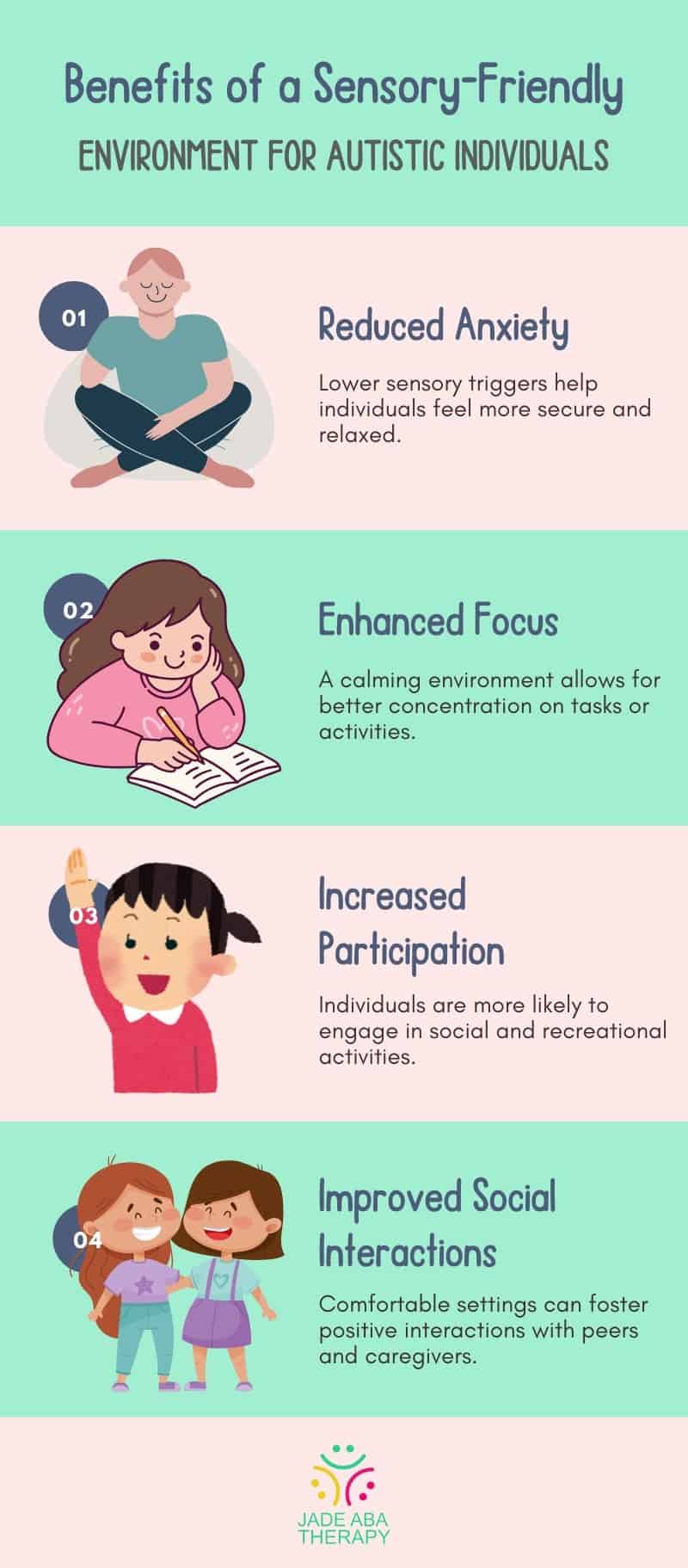
For students with autism, a 504 Plan often addresses barriers that impede learning or participation without fundamentally altering the curriculum. This could include preferential seating, extended time on tests, or adjusted sensory stimuli, all orchestrated to create a more navigable academic terrain. The underlying philosophy here is straightforward yet profound: empower the student to engage fully, while maintaining the structural integrity of the educational framework.

IEPs: Crafting a Customized Compass
In contrast, Individualized Education Programs represent a meticulous compass designed exclusively for one traveler. Rooted in the Individuals with Disabilities Education Act (IDEA), IEPs acknowledge that some learners require more than mere accommodations—they need specialized instruction that redefines their educational experience. For many children with autism, this means an educational path tailored intricately to their unique cognitive, social, and communicative profiles.
An IEP is a comprehensive, legally binding document that charts out specific educational goals, methods, and services, such as speech therapy or social skills training. It is the archetype of individualized care, designed to transform potential obstacles into stepping stones. Unlike the 504 Plan, which adjusts the environment, an IEP transforms the learning content and methodology itself, ensuring that the child’s education is as unique as their fingerprint.

Eligibility: Navigating the Criteria
Eligibility for 504 Plans and IEPs diverges significantly, akin to entering different gates in the forest. To qualify for a 504 Plan, a student must have a disability that substantially limits at least one major life activity, which can range broadly and inclusively. This threshold is intentionally designed to cast a wider net, capturing those whose disabilities might not require specialized instruction but still impact their day-to-day academic life.
Conversely, IEP eligibility demands that a student meet specific criteria outlined in IDEA and that they require special education and related services to benefit from their public education. This is a higher bar, often involving detailed assessments and evaluations that define the nature and extent of the student’s disability. For children with autism, this often involves comprehensive evaluations by multidisciplinary teams, who then tailor the educational plan to meet carefully defined goals.
Implementation and Collaboration: The Ecosystem of Support
Both 504 Plans and IEPs thrive on collaboration but differ in their orchestration. The 504 Plan generally involves fewer formal meetings and less paperwork. It is implemented by school staff who provide accommodations within the existing educational framework. Think of it as a subtle recalibration of the compass, ensuring the student’s journey through school is smoother without overhauling the route.
IEPs, however, demand a rigorous, team-based approach. Parents, educators, specialists, and sometimes the student themselves convene in formal meetings to review assessments, set objectives, and monitor progress. This symphony of collaboration requires commitment and continual adjustment, reflecting the dynamic and evolving nature of the student’s educational needs. The IEP process is exhaustive but empowering—a transformative pilgrimage with the destination of unlocking the child’s full potential.
The Unique Appeal: Why the Distinction Matters for Autism
The distinction between 504 Plans and IEPs encapsulates a philosophical divergence on how education should adapt to disability. Autism spectrum disorder, characterized by diverse manifestations ranging from mild social challenges to profound communication impairments, necessitates a nuanced understanding of this divergence. For some students with autism, a 504 Plan suffices to level the playing field, addressing sensory sensitivities or organizational challenges without rewriting the educational script.
For others, however, the complexity of autism demands the bespoke nature of an IEP. Here, the child’s education is not just about access, but transformation. The curriculum adapts; teaching strategies shift, and supports are embedded seamlessly to nurture not only academic skills but also social, communicative, and behavioral competencies. This allows for a holistic approach that acknowledges the multi-dimensional facets of autism.
Looking Ahead: Empowerment Through Education
Choosing between these two plans is not merely a bureaucratic decision. It shapes the educational experience, the sense of inclusion, and ultimately, the possibility of success for children with autism. Recognizing the subtleties between a 504 Plan and an IEP is akin to understanding whether a traveler needs a well-paved path or a personalized compass. Both serve invaluable roles, and when appropriately matched to a student’s needs, provide an equitable and empowering educational journey.
As the landscape of education continues to evolve, so too do the instruments designed to support learners with autism. Whether through the broad accessibility ensured by a 504 Plan or the deeply individualized pathways forged by IEPs, the goal remains constant: to illuminate paths that honor differences and foster growth. In this endeavor, the distinction between these plans is not a barrier but a beacon, guiding children with autism through the complexities of learning toward a horizon rich with possibility.