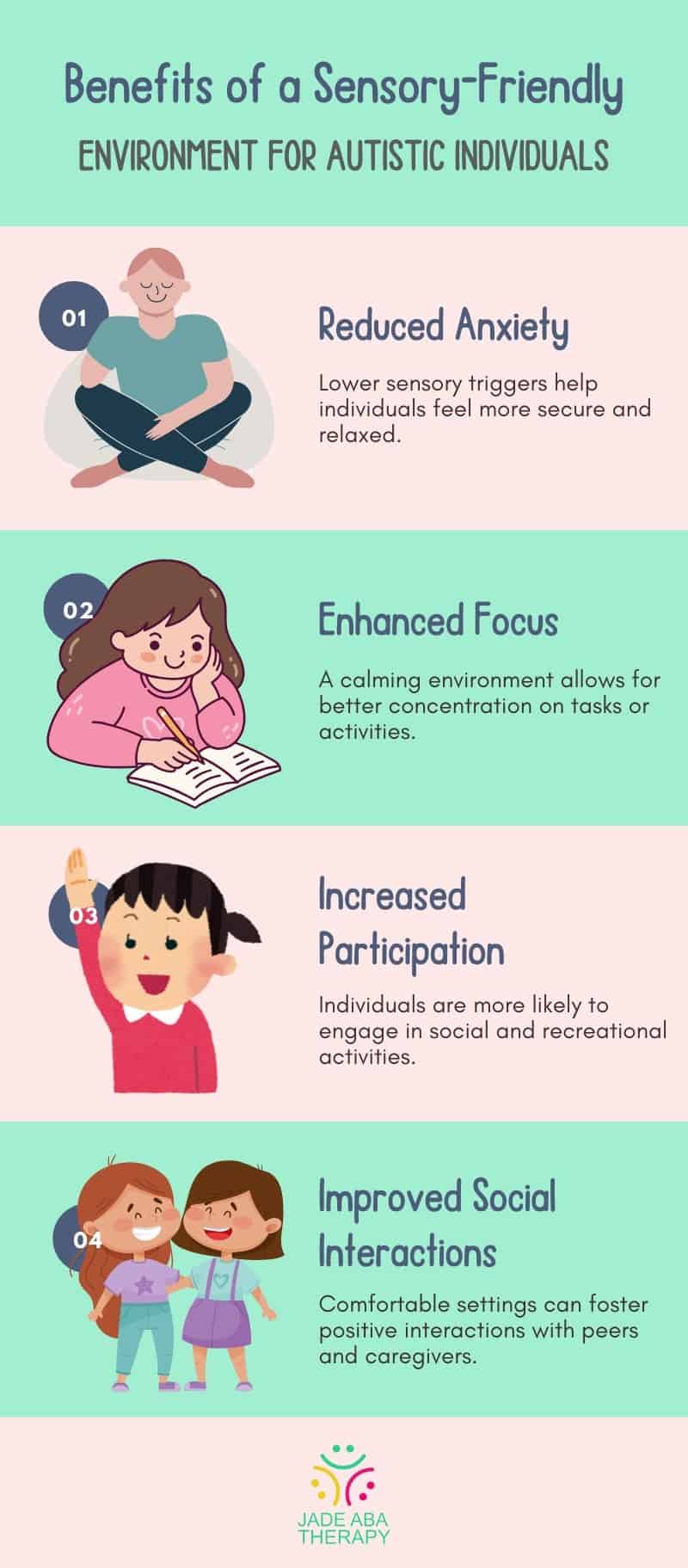
Imagine stepping into a room that feels like a gentle embrace—a sanctuary carved from the complexities of sensory stimuli that surrounds us all. For individuals with autism, such environments are not merely preferences but essential lifelines that transform overwhelming chaos into calm clarity. Creating a sensory-friendly space is akin to orchestrating a symphony where every element plays in harmonious tune, soothing nerves and nurturing growth. This intricate process involves more than just reducing noise or lighting; it is about sculpting an atmosphere where every sense can feel safe, acknowledged, and respected.
The Essence of Sensory Sensitivities
Autism often presents with unique sensory processing patterns—some individuals might be hypersensitive, while others may seek intensified sensory input to feel grounded. These differences necessitate tailored environments that avoid harsh or erratic stimuli. Think of the sensory system as a gatekeeper, regulating information from the outside world. In individuals with autism, this gatekeeper’s threshold is set differently, demanding wise calibration of environmental factors such as sounds, textures, lighting, and spatial arrangements.
Creating a sensory-friendly environment requires understanding these nuanced sensory thresholds deeply. It involves recognizing triggers like sudden noises or glaring lights that can feel like piercing arrows, and conversely, providing access to subtle inputs that can comfort or stimulate positively like the gentle brushing of silk against the skin.
Lighting: Painting with the Palette of Calm
Lighting is one of the most influential yet often overlooked components in sensory design. Artificial lighting, especially fluorescent or flickering bulbs, can be profoundly disorienting, akin to the stuttering flicker of a malfunctioning lighthouse. Utilizing soft, natural light or adjustable, warm-toned LED lights crafts a more accommodating sensory landscape.
Dimmer switches enable control over brightness, allowing the environment to ebb and flow in harmony with the individual’s sensory needs. Additionally, blackout curtains or light-diffusing window treatments can shield from abrupt sunlight, which might otherwise feel like a relentless spotlight scrutinizing every detail.

Soundscapes Tuned to Serenity
Sound waves ripple through space like invisible tides; for some with autism, these waves can crash violently, stirring anxiety or confusion. Establishing a soundscape that embraces tranquility involves mitigating intrusive noises—sirens, alarms, or even the cacophony of bustling crowds.
Employing soundproofing materials, such as heavy curtains, foam panels, or carpets can absorb errant sound, crafting pockets of peace. Alternatively, introducing white noise machines or nature sounds can mask harsh intrusions and create a consistent auditory backdrop, reminiscent of a gentle river’s murmur that soothes without overwhelming.

Textures and Materials: The Tangible Touches of Comfort
The tactile world—comprised of every fabric, surface, and object—can evoke reactions ranging from delight to distress. A sensory-friendly environment hence becomes a tactile garden, where textures invite exploration without provoking discomfort.
Natural fibers like cotton, bamboo, and velour offer softness and breathability. Avoiding scratchy synthetic materials or rough surfaces minimizes the risk of irritation. Weighted blankets or lap pads offer calming pressure, grounding an individual much like a hug. Smooth, rounded furniture edges guard against unexpected jarring sensations, crafting safe and forgiving physical interactions.
Spatial Design: The Architecture of Ease
Space matters—a cluttered or chaotic room can mimic a thunderstorm in the mind, confusing and agitating. Spacious layouts allow free movement and prevent sensory bombardment from too many competing stimuli.
Designing distinct zones within a room can help organize sensory experiences. A quiet corner with soft pillows becomes a sanctuary for retreat and self-regulation, whereas an activity area with tactile toys and adaptive equipment can stimulate engagement and learning. Thoughtful arrangement offers control over sensory input, empowering individuals to navigate their environment confidently.
Visual Stimuli: Crafting an Oasis for the Eyes
The visual environment can be a double-edged sword: vibrant colors and patterns energize some but exhaust others. Muted and pastel tones provide a calming backdrop, while avoiding visually busy décor stops visual overstimulation, much like reducing the noise in a crowded marketplace.
Wall-mounted visuals, such as gentle nature scenes or abstract art with smooth lines, offer soothing engagement without overwhelming. Minimizing clutter and using storage solutions to hide excess toys or materials also help keep the visual field serene and inviting.
Incorporating Technology and Adaptive Tools
Adaptive technology enriches sensory-friendly environments by tailoring experiences to individual needs. Noise-canceling headphones, visual timers, or sensory apps facilitate focus and comfort. Sensory swings or trampolines provide controlled vestibular input, helping individuals manage sensory processing in an interactive way.
These tools become bridges between sensory challenges and abilities, fostering autonomy and developmental growth through technology’s responsive embrace.
The Role of Caregivers and Educators
Creating sensory-friendly environments is an evolving dialogue between space and those who inhabit it, guided by caregivers and educators who serve as interpreters of sensory language. Attuning to each person’s reactions and adjusting environmental elements accordingly is paramount. An environment that might soothe one may overstimulate another, underscoring the necessity for observation, flexibility, and patience.
This commitment transforms places into living, adaptive habitats—ever responsive, ever nurturing.
Conclusion: A Sanctuary Woven from Sensory Threads
Constructing a sensory-friendly environment is an endeavor of profound empathy and artistry. It requires weaving together threads of light, sound, texture, and space into a tapestry that embraces the rich tapestry of sensory experiences intrinsic to autism. More than just a physical setting, it becomes a sanctuary where challenges soften and potentials thrive.
Such environments do not merely accommodate but celebrate neurodiversity, honoring the unique sensory choreography each individual performs. They are vital havens—illuminated not just by bulbs or lanterns but by understanding, respect, and compassion—illuminating pathways toward comfort, growth, and dignity.