Amid the vast mosaic of educational needs, special education for autism stands as a unique realm, reshaping conventional pedagogical approaches to foster growth and understanding. Autism Spectrum Disorder (ASD), characterized by diverse neurological variations, invites educators, parents, and specialists alike to reconsider how learning environments can be tailored to meet distinct needs. One commonly observed phenomenon is the profound fascination many individuals with autism exhibit toward repetitive behaviors or specific visual stimuli. This intrigue, though often misunderstood, opens the door to deeper analysis of cognitive processing differences, underscoring the necessity for specialized educational strategies.
Understanding the Nuances of Autism in Educational Settings
Autism transcends simple categorization; it encompasses a spectrum with varying degrees of social, communicative, and behavioral manifestations. Special education programs are meticulously designed to embrace this heterogeneity, acknowledging that no two learners share identical trajectories. The observation that children with autism might fixate on particular objects, images, or routines hints at underlying neural wiring that prioritizes predictability and sensory involvement. These fascinations are not mere quirks but essential anchors in their cognitive landscape, providing security and a foundation upon which new skills can be scaffolded.

This neurological predisposition toward repetitive engagement necessitates customized curricula that integrate the learner’s interests strategically. Consequently, educators often blend structured visual schedules and targeted interventions to harness these fixations constructively, transforming potential barriers into bridges for learning.
The Role of Visual Supports and Structured Schedules
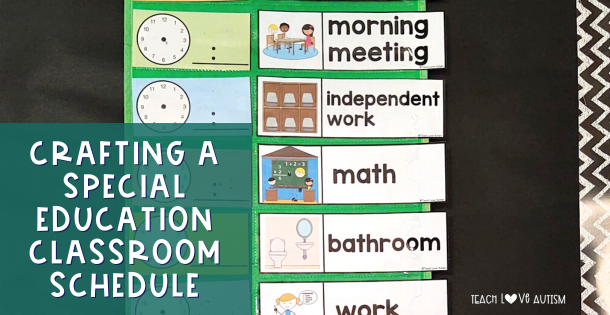
Visual aids are invaluable in special education for autism because they create a tangible framework for abstract concepts and daily routines. Many children on the spectrum possess enhanced visual-spatial processing abilities, rendering images and pictorial guides effective tools for enhancing comprehension and reducing anxiety. A visual schedule, for instance, delineates a sequence of activities, providing clear expectations and reducing unpredictability—a common source of distress among autistic learners.

These structured schedules serve more than just functional purposes; they cultivate a sense of autonomy and competence. By anticipating what comes next, learners develop resilience and adaptivity, slowly expanding their comfort zones. The repetition embedded within such tools aligns with their proclivity for consistency while simultaneously fostering flexibility over time.
Communication Challenges and Tailored Language Interventions
Language acquisition often presents a formidable hurdle for individuals with autism. Traditional communicative modes may not suffice, prompting specialized speech-language therapies that cater to unique expressive and receptive capacities. Picture Exchange Communication Systems (PECS) and other augmentative and alternative communication (AAC) devices are cornerstones of these interventions. They not only bridge communicative gaps but also empower students to articulate needs, desires, and emotions, thereby reducing frustration and behavioral outbursts.

Intervention strategies often incorporate individual worksheets and picture noun activities that enable incremental learning of vocabulary and negation phrases—an area where children with autism frequently encounter difficulties. This meticulous attention to linguistic detail exemplifies the comprehensive scope of special education services, emphasizing the symbiotic relationship between communication and behavioral regulation.
Behavioral Interventions Rooted in Understanding Fascination
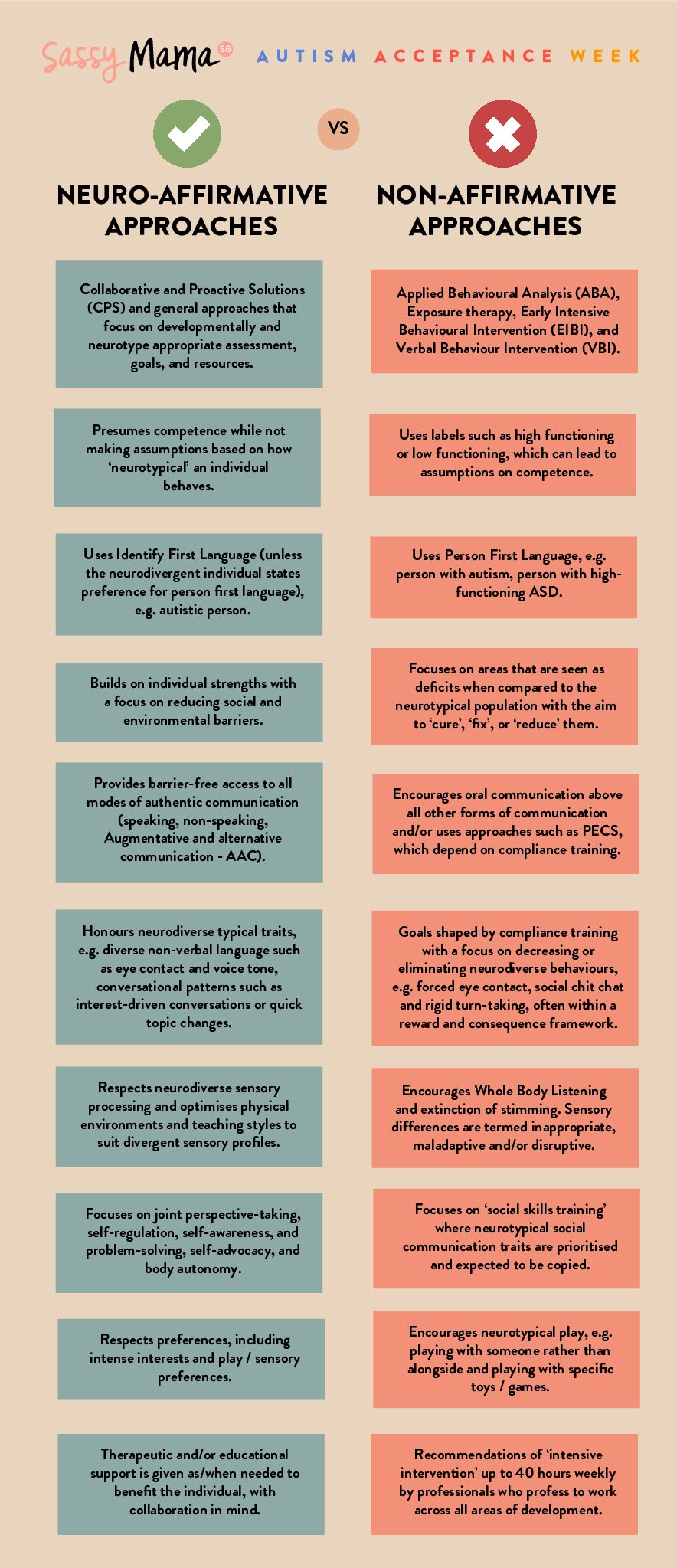
A salient aspect of education for autistic learners is embracing, rather than suppressing, their intense fascinations and repetitive behaviors. These behaviors often serve as coping mechanisms or a means of sensory regulation, offering predictability in an otherwise overwhelming sensory milieu. Applied Behavior Analysis (ABA), among other behavioral frameworks, employs these interests to reinforce positive behaviors and academic tasks.
For instance, a child fascinated by trains might be motivated to engage in reading or math activities through train-themed materials. This strategic alignment capitalizes on intrinsic motivation, transforming education from a taxing requirement to an enjoyable journey. Acknowledging these fascinations not only enhances engagement but promotes neurological connectivity, supporting the formation of new synaptic pathways essential for learning.
Collaborative Efforts and Individualized Education Plans (IEPs)
The educational voyage for children with autism is navigated through collaboration among educators, therapists, families, and sometimes medical professionals. Central to this cooperative undertaking is the development of an Individualized Education Plan (IEP). This living document delineates tailored goals and instructional methods designed to foster the student’s academic, social, and adaptive skill development.
IEPs recognize the multifaceted nature of autism, encompassing sensory sensitivities, motor skills, communication, and behavioral challenges. Regular assessments and modifications ensure responsiveness to the learner’s evolving needs, promoting continuous progress. Moreover, IEP meetings serve as pivotal forums for exchanging insights, harmonizing objectives, and reinforcing unified support systems.
Social Skills Development: From Isolation to Interaction
Social interaction, often fraught with complexity for individuals with autism, represents a significant focal point of special education. The observed predilection for solitary interests and repetitive patterns can sometimes mask a yearning for connection hindered by communication differences and sensory overload. Educators employ group-based interventions, social stories, and role-playing exercises to gently cultivate reciprocity, empathy, and pragmatic language skills.
These initiatives require patience and creativity, frequently incorporating the learner’s unique interests to entice participation. Over time, many students with autism exhibit remarkable growth in social comprehension, harnessing newfound skills to build meaningful relationships and improve overall well-being.
Conclusion: Embracing Complexity and Cultivating Potential
Special education for autism is a dynamic and deeply nuanced field, reflecting the intricate interplay between neurological diversity and tailored pedagogical strategies. The common observation of focused fascination is not merely a behavioral oddity but a window into cognitive patterns that demand empathy and innovation. By integrating structured visual aids, individualized communication tools, behavioral interventions, and collaborative planning, educators cultivate environments where autistic learners can thrive.
Understanding what to expect from special education services for autism equips families and professionals to advocate effectively and celebrate the unique pathways of development. The journey is often marked by incremental triumphs and profound insights, reaffirming that with thoughtful support, every learner possesses the potential to flourish.